Russian occupation forces are ramping up the production and use of the jet-powered ‘Geran-3’ strike drone. Despite its high speed and ability to cover vast distances in a short time, Ukraine’s Defense Forces have identified vulnerabilities in the new weapon and are already successfully deploying interceptor drones against it. This was reported on August 17 by Colonel Artem Skurativskyi, Chief of the Air Defense Directorate of the 7th Rapid Response Corps of the Air Assault Forces, as reported.
According to Skurativskyi, Ukraine’s Armed Forces are responding in a timely manner to changes in enemy tactics. The average interception rate for the ‘Geran-2’ and Shahed-136 stands at 80–93%, depending on the scale of the strike. The primary danger of the ‘Geran-3’ lies in its speed. According to Air Assault Forces data, such a drone can travel from the Belarusian border to Kyiv in just 35 minutes — four times faster than the previous version.
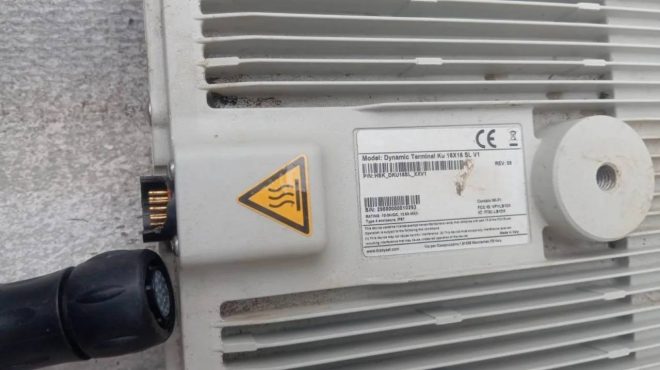
In addition, the presence of an electro-optical module allows Russian operators to control the loitering munition in real time, using it both for precision strikes against individual targets and as part of massed swarms to overwhelm Ukraine’s air defense systems. Key infrastructure facilities and military targets remain the primary objectives.
Among the adversary’s weapon weaknesses, Skurativskyi also cites the large dimensions of the ‘Geran-3’: the fuselage length is 3.5 m, and the wingspan is approximately 3 m. In the officer’s view, this makes it easier to detect using radar systems. Another vulnerability is the powerful thermal signature of the jet-powered UAV, which, according to the colonel, makes it more susceptible to MANPADS.
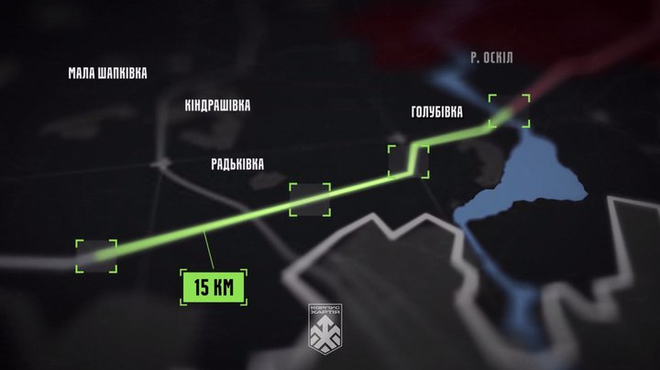
The Air Assault Forces have also confirmed successful cases of shooting down jet-powered kamikaze drones using available interceptor UAVs. Crews of the 81st Separate Airmobile Slobozhan Brigade are demonstrating high results in this work.