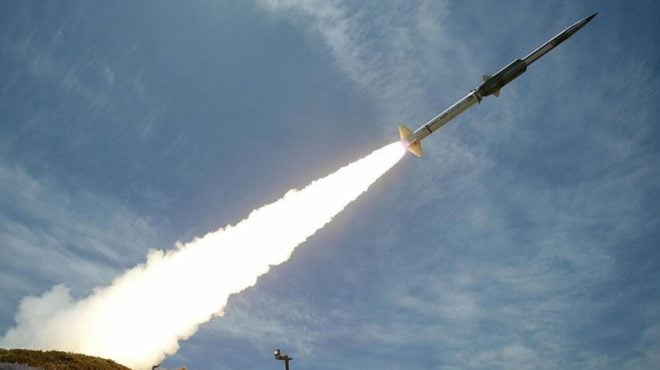
Lockheed Martin announced the receipt on August 28 of the first batch of body components for PAC-3 MSE interceptors from GM Defense. The parts were delivered just 22 days after the contract was signed, whereas production typically takes months or years.
The agreement expands cooperation between the two companies announced in June 2026, under which Lockheed plans to use GM Defense’s manufacturing facilities, laboratories, and industrial expertise to strengthen the U.S. defense industrial base.
In January 2026, Lockheed Martin and the Pentagon signed a framework agreement under which annual PAC-3 MSE production capacity is set to grow from approximately 600 to 2,000 units over seven years. According to Lockheed CEO Jim Taiclet, the company expects to reach that level by the end of 2030 following a phased ramp-up of plant and supply chain capacity.
In April 2026, the agreement was backed by an initial contract worth $4.7 billion, with $4.5 billion of that funded through the Foreign Military Sales (FMS) program: a significant portion of production will go toward exports to allies.
PAC-3 MSE missiles are assembled at Lockheed’s plant in Camden, Arkansas, with individual components manufactured at facilities in Dallas and Lufkin, Texas. The company is also developing production capacity in partnership with Polish partners. The system is used by 17 partner nations, including Bahrain, Poland, and Ukraine.
Demand for Patriot remains extraordinarily high: according to Ukrainian President Volodymyr Zelensky, during just a few days of Iranian attacks in mid-2026, U.S. allies in the Middle East used 800 PAC-3 missiles — more than Ukraine has received throughout the entire full-scale war.