The NATO–Ukraine Joint Analysis, Training and Education Centre (JATEC) has presented two artificial-intelligence-based developments created by NATO’s Allied Command Transformation (ACT) and the Armed Forces of Ukraine.
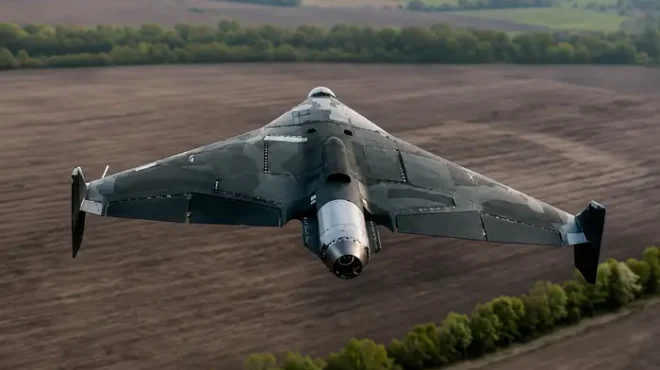
The models, codenamed “No. 13” and “No. 32,” were showcased at a three-day seminar in Vilnius attended by Alliance-nation experts and military personnel from Defence Forces units. The first predicts the intensity, areas, and timing of Russian drone attacks; the second assists in planning artillery operations based on available weapons and ammunition.
Model No. 13
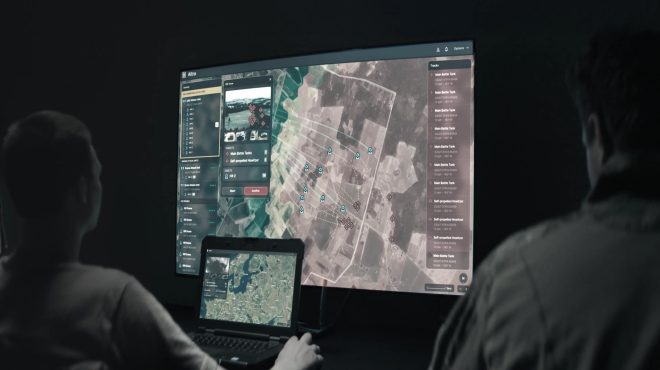
The tool analyses historical data, weather conditions, and the current operational situation to assess where and when UAV activity should be expected, as well as which types of drones will be used. According to the Ministry of Defence, the model has been validated on real data and is ready for integration into the situational-awareness systems of the Armed Forces of Ukraine.
As the Ministry of Defence reports, if a unit knows about a probable wave of attacks in advance, it can redeploy mobile groups, electronic-warfare assets, and interceptors to wherever they will be needed. This saves resources and reduces the chances of air-defence assets being positioned in the wrong sector.
Model No. 32
This is a decision-support module for artillery. It takes into account mission objectives and operational data: available weapon systems, ammunition, firing positions, and constraints. The model first eliminates infeasible options based on logistics, ballistics, and engagement-zone parameters, then evaluates the viable ones and ranks them. The goal: less manual option-comparison and faster decision-making. The prototype is currently undergoing trials in combat units. If those trials are successful, the model may be scaled to other units engaged in striking the enemy.
JATEC: from hackathons to joint software
The Centre already has experience of collaborative work with ACT. Through its competitions, JATEC tested systems against glide bombs: the project launched in March 2025, three winners were selected from 40 teams, and the combination of radar, interceptor drone, and AI software was then tested at a range in France. The hackathon targeting fibre-optic FPV drones drew a record 162 applications, 42 of them from Ukrainian teams. Among the prizewinners of one competition was a Ukrainian AI-based drone-autonomy system designed for conditions of intense electronic warfare.
●JATEC (the Ukraine–NATO Joint Analysis, Training and Education Centre) was founded in February 2025. The Centre was the first joint civil-military organisation within NATO’s structure. Since then, its activities have included integrating Ukraine into NATO collective-defence exercises, conducting the NATO Innovation Challenge, fostering projects using artificial-intelligence and machine-learning algorithms (AI/ML), developing recommendations for Ukraine and NATO on antimicrobial resistance (AMR), casualty evacuation (CASEVAC), mental health, and non-compressible haemorrhage (NCH) care. A key component of the project is interoperability: developing a Ukraine–NATO interoperability roadmap.