A sniper’s work in war increasingly depends on observation, camouflage, and the ability to adapt to the enemy’s technologies.
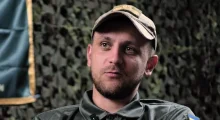
Servicemen of the 3rd Operational Purpose Brigade of the National Guard of Ukraine “Spartan” with call signs “Efiop” and “Master” told ArmyInform about the combat work of their groups.
According to “Efiop,” a sniper group may be assigned a sector for round-the-clock control. Thermal imaging equipment has become the primary observation tool in this work.
“We are given a sector that we must observe 24/7. It can cover 360 degrees. We go out in pairs or threes. Most of our work is done through a thermal imager.”
The serviceman emphasizes that the duration of a stay at a position can be measured in weeks. His longest deployment lasted 48 days.
“We can sit for 40 days and not fire a single shot. Or we can go in and take out a lot of enemies in just one day.”
According to “Efiop,” the farthest target he has ever engaged was at a distance of 2,540 meters. At the same time, the choice of weapon depends on the specific situation and distance.
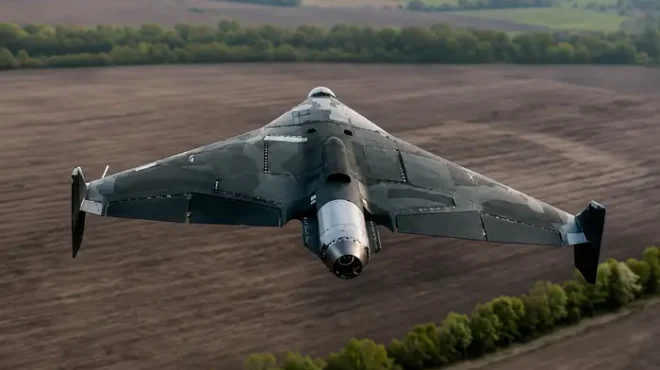
Drones equipped with thermal imaging cameras have become a distinct challenge for snipers, as they can detect a position after a shot is fired.
“Drones with thermal cameras fly and can see the bullet in flight because it is warm. They detected us that way once.”
After their position was detected, the servicemen were forced to relocate.
“We eliminated three enemies, and the enemy saw where we were shooting from and burned that spot. We immediately moved. Everyone survived.”
The growing use of UAVs is also forcing snipers to change their own tactics. In particular, they use remote observation so as not to remain constantly positioned directly behind the rifle.
“That way we are not constantly lying behind the rifle, but instead organize observation from a safer location.”
This approach, according to “Efiop,” once saved the servicemen’s lives: a mortar round struck the position and damaged only the rifle’s scope.
Another sniper, “Master,” explains that the difficulty of the work begins even before a mission is carried out. Going out requires carrying body armor, a helmet, a weapon, a rifle, and other equipment.
“It’s tough going now when there’s nothing around, not even tree lines. Meaning you can’t just walk — you have to run.”
According to “Efiop,” the total weight of equipment sometimes reaches 60–70 kg, and the route to a position can exceed 20 km. The servicemen may then remain at the position for over a month.
“It’s a big problem. But it’s gotten a little easier now because food can be delivered to us by a ‘Vampire‘.”
Both servicemen emphasize that the sniper specialty requires continuous learning. “Efiop,” after serving as an engineer, rifleman, and machine gunner, underwent approximately eight months of training, yet believes it is impossible to fully master the profession.
“You won’t master it even in ten years. Every time there is something new, new and new again. You are always learning something.”