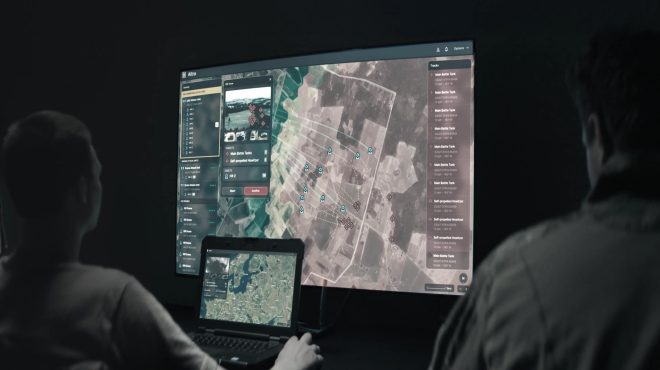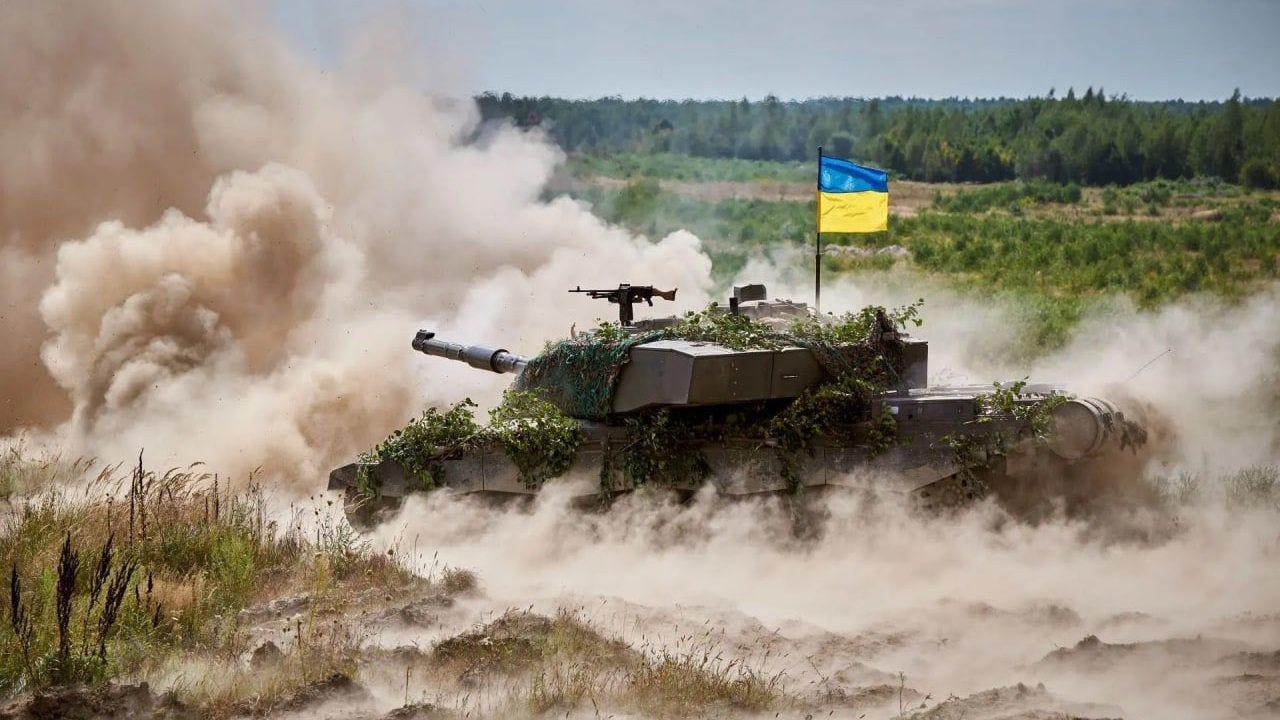
In 2022, armored vehicles helped rapidly develop offensives and reclaim large territories. But today, densely mined fields, powerful anti-tank weapons, and drones have made large-scale tank attacks risky. As a result, tanks in the AFU are used primarily as a protected means of fire support. Their advance to the front line is supported by reconnaissance, strikes against enemy weapons systems, and coordination with infantry. DefPulse has examined the evolution of armored warfare.
What role do tanks play in the AFU
The primary purpose of a tank is to combine firepower, crew protection, and mobility. Its gun enables it to engage armored vehicles, firing positions, field fortifications, and other targets. Armor improves the crew’s chances of surviving enemy fire, while the tracked chassis enables movement across rough terrain.
Main tasks of tanks:
- Engaging enemy positions, firing points, and fortifications that impede the advance of assault groups.
- Supporting offensive operations after weakening enemy defenses and backing units occupying new positions.
- Engaging enemy attacking forces, supporting counterattacks, and reinforcing the firepower of defensive units.
- Deterring enemy armor. Participating in combat alongside anti-tank missile systems, artillery, and drones.
In doing so, a tank does not always need to move directly to the front line. In a number of situations, it is used from a concealed position to deliver fire, and after completing its mission it is withdrawn to change position, undergo maintenance, or replenish its ammunition load.
This is precisely how, for example, in February 2026 a Ukrainian tank commander with the call sign “Bodya” used a T-72 primarily as a concealed fire support asset due to the threat of FPV drones.
How the use of tanks has changed over the years of full-scale war
2022 — maneuver and offensive development
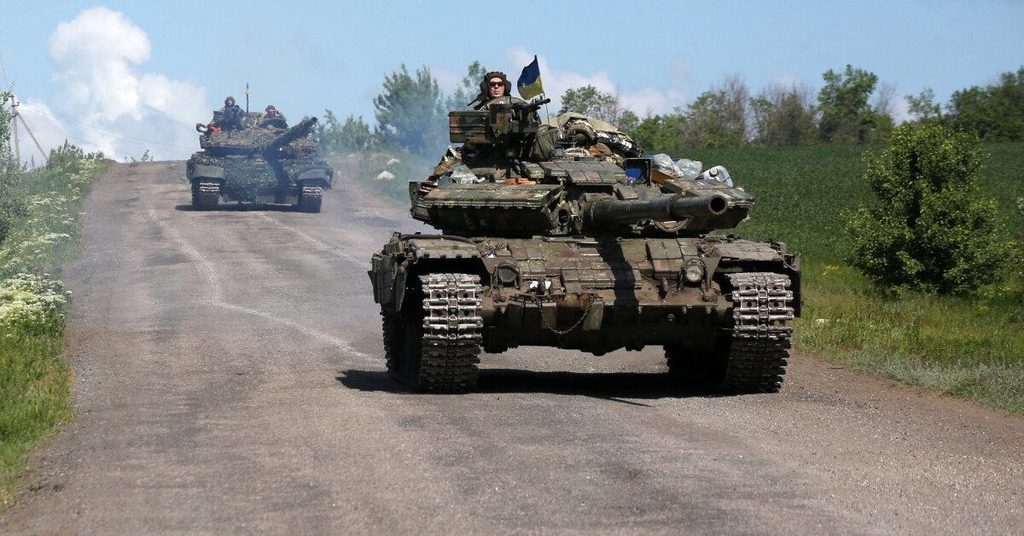
In the first year of the full-scale invasion, tanks were one of the tools of mechanized operations. They supported counter-offensive units, helped overcome enemy resistance, and developed advances after breaking through enemy positions. The most notable examples are the Kharkiv counter-offensive operation and the liberation of the right-bank part of Kherson Oblast.
2023 — limitations of large-scale armored attacks
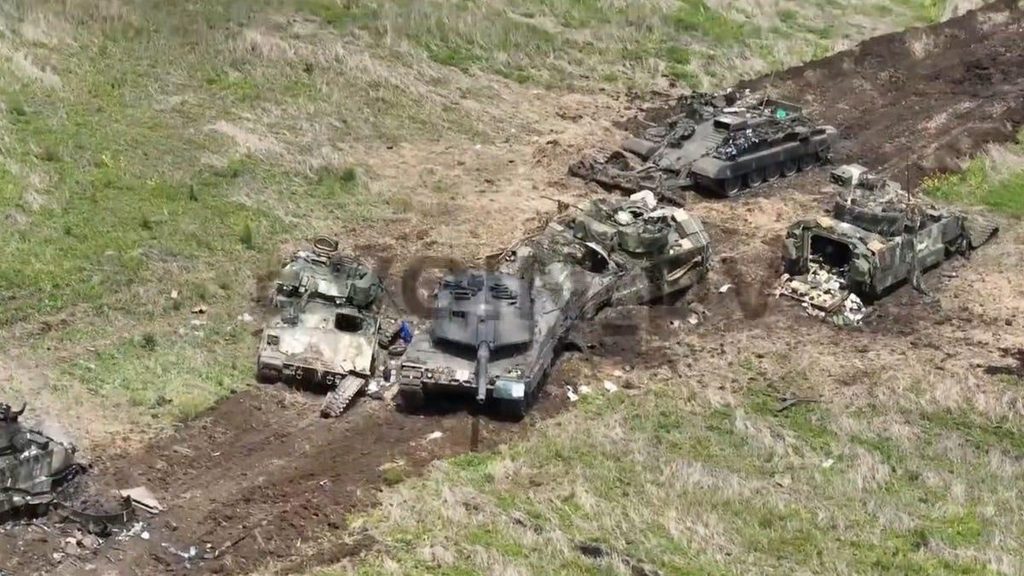
During the summer counter-offensive in southern Ukraine, the problems posed by minefields, prepared defensive lines, artillery fire, and reconnaissance-strike drones became particularly apparent. The concentration of vehicles in narrow corridors created additional risks. Western tanks delivered to Ukraine could not overcome these obstacles on their own.
2024–2025 — dispersal and fire support
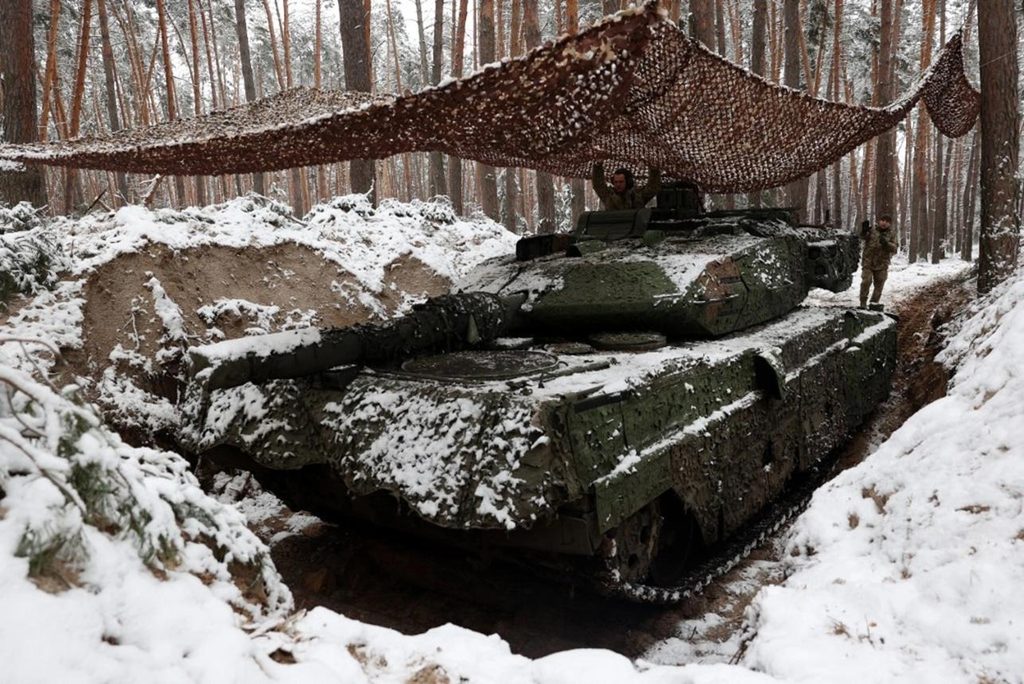
Tanks increasingly operated in small groups or from concealed positions. The role of camouflage, additional protection, remote reconnaissance, and coordination with drone operators grew. Large armored formations became harder to concentrate and sustain undetected.
2026 — preparing the battlefield for armor
During tactical counter-offensive operations, the AFU increasingly records attempts to first degrade the enemy’s reconnaissance, unmanned systems, artillery, and logistics before committing tanks. They are used to support infantry and hold captured positions.
Tanks in AFU offensive operations
Kharkiv counter-offensive operation — September 2022
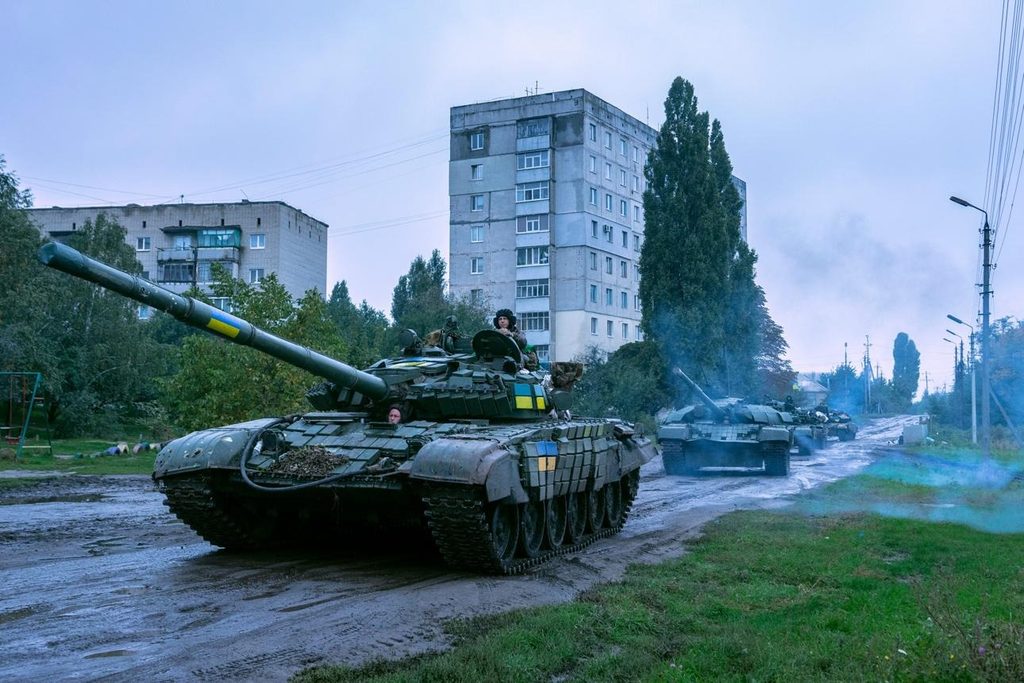
The Kharkiv counter-offensive operation became one of the most striking examples of a successful mobile offensive by the AFU in the first year of the full-scale war. Ukrainian forces broke through Russian defenses in Kharkiv Oblast, liberated Balakliia and Kupiansk, and subsequently retook Izium.
T-64 and T-72 tanks were part of the mechanized forces that supported the advance. Their role was to provide firepower to units moving forward. The operation’s success depended not on tanks alone. It was a combination of factors: speed of action, exploitation of weak points in Russian defenses, unit coordination, and the enemy’s command and reserve problems.
Liberation of Kherson — autumn 2022
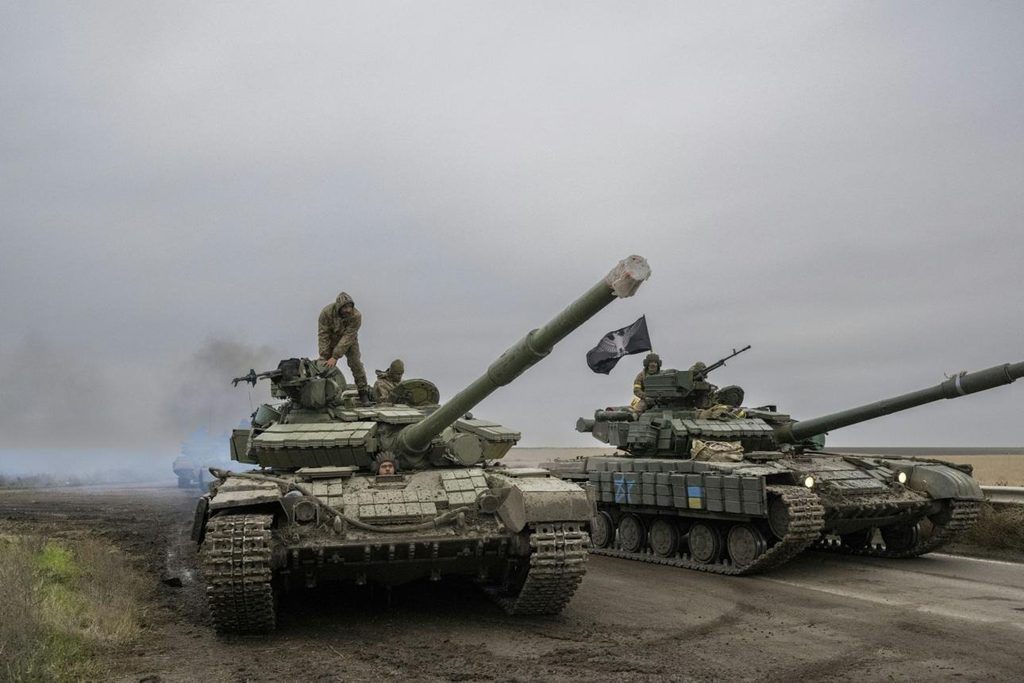
The Kherson operation concluded with the withdrawal of Russian forces from the right-bank part of Kherson Oblast and the entry of Ukrainian units into the city on 11 November 2022.
Tanks and other armored vehicles were part of the forces operating in the southern direction. They were used alongside Ukrainian strikes on supply routes and pressure on Russian positions. The logistical difficulties facing the Russian grouping on the right bank of the Dnipro and the threat of its isolation also played a role.
AFU counter-offensive 2023: limitations of armored maneuver
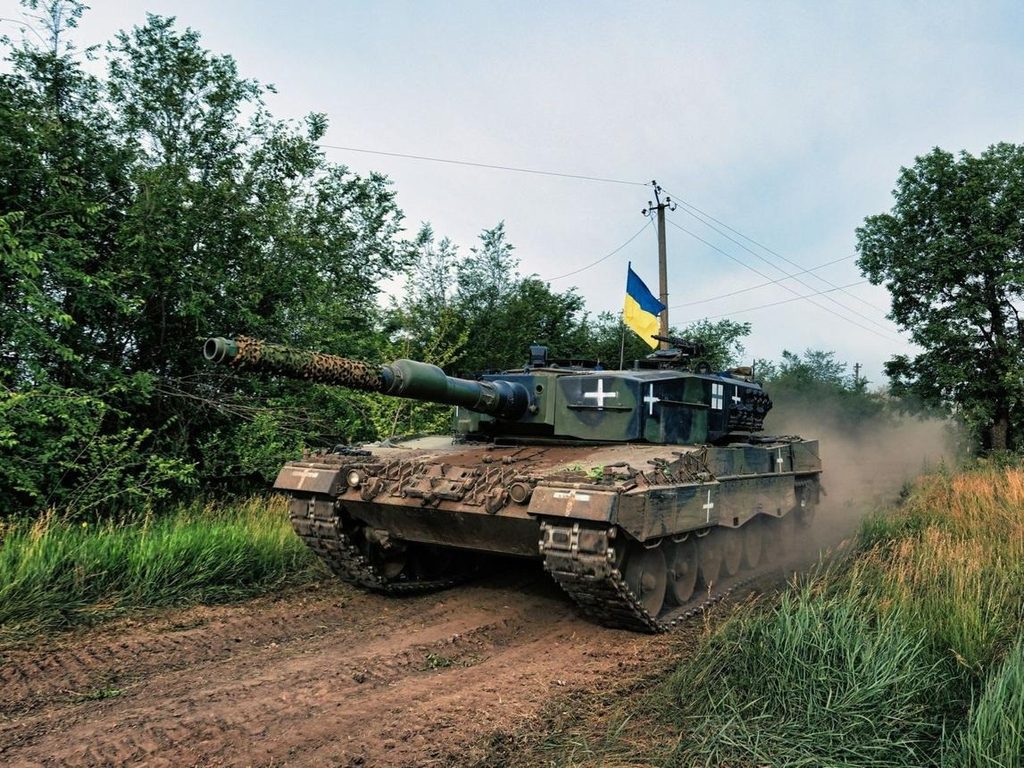
In June 2023, Ukrainian forces launched large-scale offensive operations in the south, including in Zaporizhzhia Oblast. The offensive employed Leopard 2 tanks, Soviet-era vehicles, Bradley infantry fighting vehicles, engineering equipment, and other systems, some of which were supplied by Western partners.
However, dense minefields laid by the occupiers, prepared defensive lines, artillery fire, and aerial observation hampered rapid advances. In some cases, damaged vehicles blocked corridors, impeding the movement of follow-on vehicles. Even a well-protected tank could lose mobility after hitting a mine and then be subjected to further strikes.
Operation “Vivaldi” — Donetsk Oblast, 2026
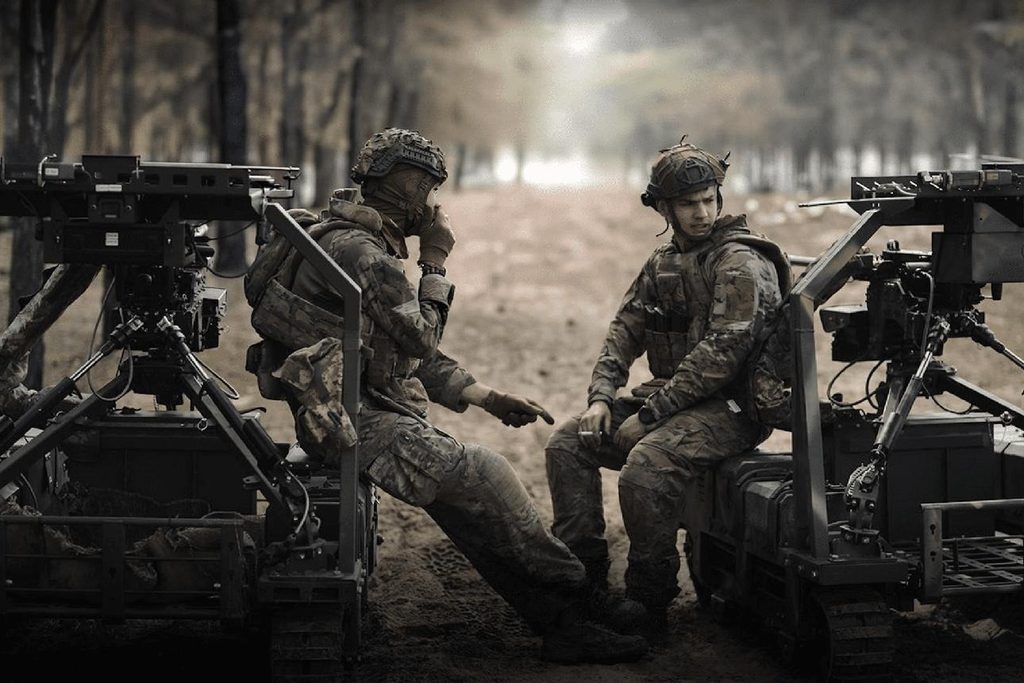
Operation “Vivaldi” is one example of Ukrainian counterattacks on the Lyman axis in 2026.
According to a statement from the Office of the President dated 30 September 2026, the 3rd Army Corps and attached units had by the time of publication returned 176 km² of territory to Ukrainian control. Russian losses, according to Ukrainian command, exceeded 5,000 killed and wounded. Ukrainian forces also took 250 Russian servicemen prisoner.
We have already written about the interaction of unmanned systems units, artillery, electronic warfare, infantry, and ground robotic systems. Strikes on enemy artillery positions and support systems created conditions for infantry to advance and be covered by armored vehicles.
Oleksandrivka axis — offensive operations in 2026
Over approximately eight months, Ukrainian forces systematically targeted Russian logistics, drone crews, artillery, and reconnaissance assets. After weakening Russian defenses, Ukrainian infantry advanced through gaps in enemy positions while tanks were brought forward to provide fire support and hold captured ground. This enabled approximately 746 km² to be returned to Ukrainian control.
How tanks interact with drones, infantry, and artillery
A tank has powerful weapons and armor, but its crew cannot independently maintain constant battlefield observation, detect all threats, and protect itself from every type of munition. Therefore, a complex of methods, forces, and means is employed:
- Reconnaissance drones help observe terrain, detect targets, and assess strike results.
- Strike drones enable attacks on vehicles, individual firing positions, and operators of enemy unmanned systems.
- Artillery provides fire support and can engage positions that impede the advance of ground units.
- Electronic warfare affects the operation of certain communications, navigation, and drone control systems.
- Infantry operates in terrain a tank cannot control on its own, identifies threats, and consolidates on captured positions.
- Engineering and robotic systems assist with specific demining tasks, cargo delivery, and engaging fortifications.
What tanks does the AFU use
Ukrainian tank units operate a mixed fleet of equipment. It includes Soviet-designed vehicles, modernized Ukrainian tanks, and Western main battle tanks received from partners.
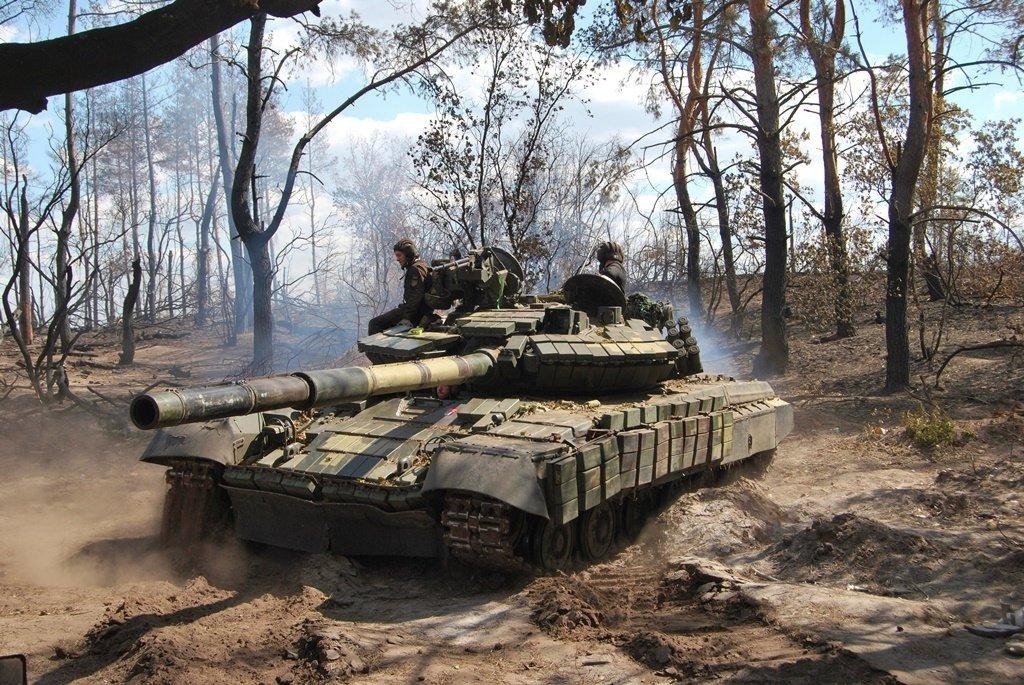
T-64 and its upgrades
The T-64 is one of the main tank types in the Ukrainian military. Its modernized versions have received upgrades to protection, sighting systems, and communications. Among its advantages — Ukrainian crews know this platform well, and the AFU has the corresponding repair infrastructure.
T-72 and T-72AMT
The T-72 has a widespread design and a significant number of modernization variants. The Ukrainian T-72AMT received improvements to its sighting systems, communications, and additional protection, among other upgrades.
T-80 and its modifications
The T-80 is distinguished by high dynamic performance. However, it is demanding in terms of maintenance and fuel supply.
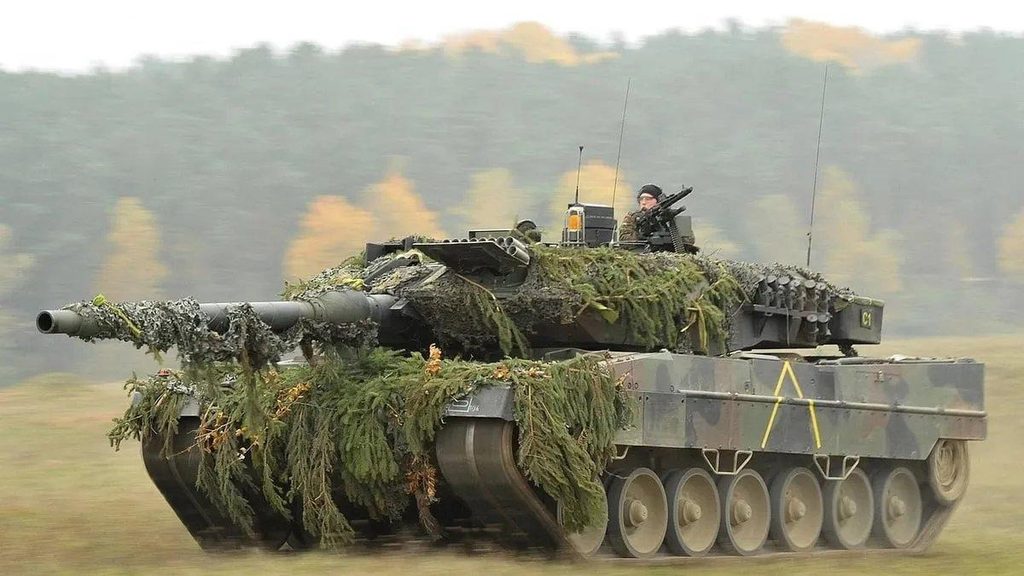
Leopard 2
The Leopard 2 family features a 120mm smoothbore gun, modern fire control systems, and various armor protection options. Different modifications have been used in Ukraine, including the Leopard 2A4 and 2A6. Operation requires specialized maintenance, spare parts, and access to repair facilities.

M1A1 Abrams
The Abrams features a 120mm gun, a sophisticated fire control system, and powerful protection. However, its gas turbine engine and overall design require specialized maintenance and sustainment.
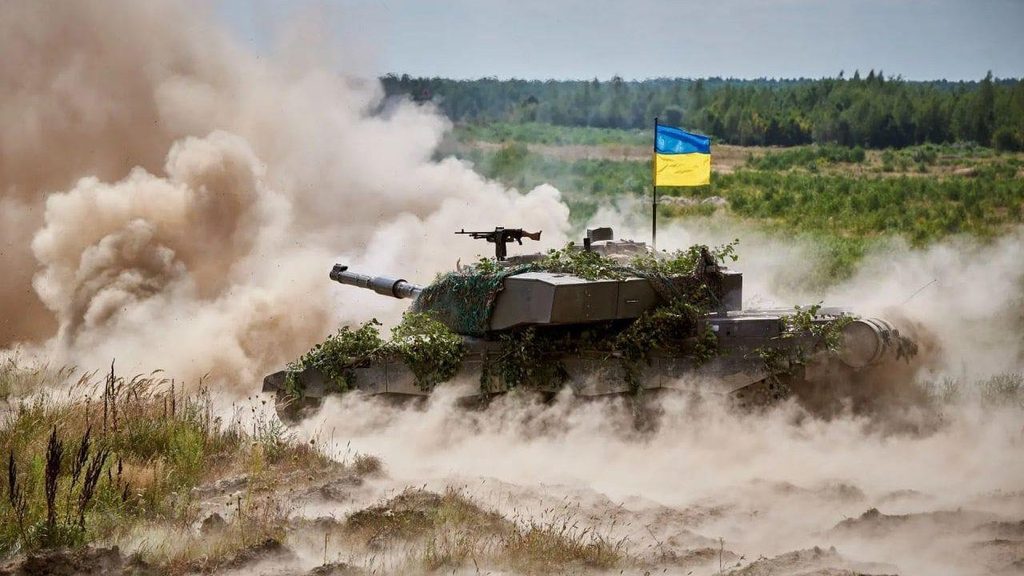
Challenger 2
The Challenger 2 features a rifled 120mm gun and composite multi-layer armor. Its design prioritizes maximum crew protection. However, its great weight complicates transportation and use in certain types of terrain. Specialized maintenance and spare parts are required to maintain combat readiness.
Why tanks are lost on the battlefield
A tank that previously could operate in a combat area for an extended period now risks being detected by a reconnaissance drone and engaged by multiple strike assets. The main causes of losses and damage are:
- FPV drones and strike UAVs. They can attack a tank from above, from the rear, or from other directions, striking vulnerable areas. Repeated hits can immobilize a vehicle even when the first munition fails to penetrate the main armor.
- Mines and other explosive obstacles. They can damage the running gear, immobilize a tank, and turn it into a target for further attacks.
- Anti-tank missile systems. They pose a threat to armored vehicles at various ranges, depending on the specific system and conditions of employment.
- Artillery. It can engage tanks directly or destroy vehicles that have lost mobility.
- Logistics disruption. A shortage of fuel, ammunition, or repair capabilities limits the use of even serviceable vehicles.
How the AFU improves armored vehicle survivability
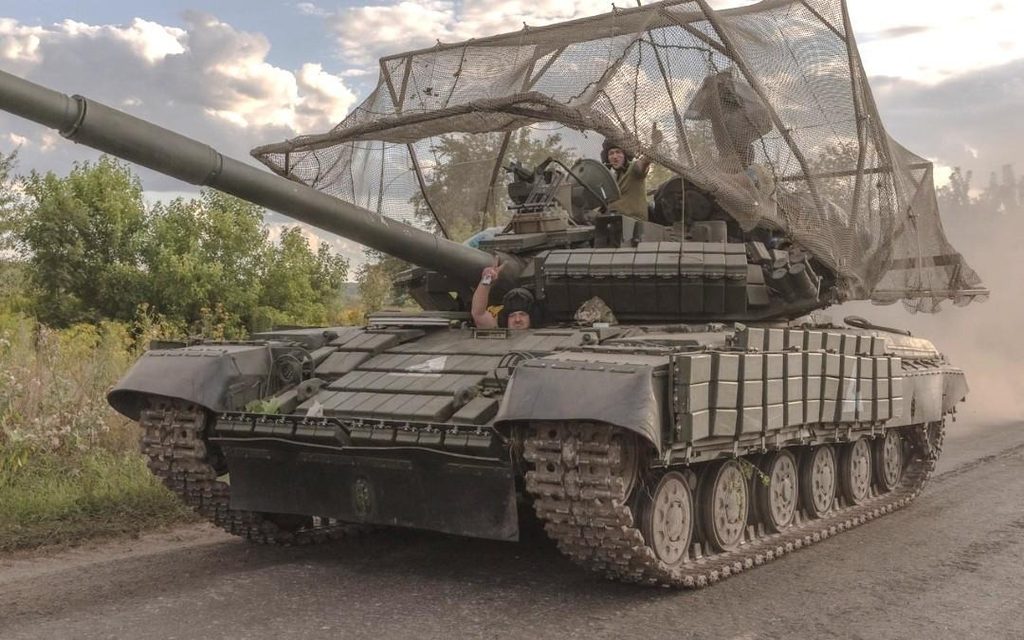
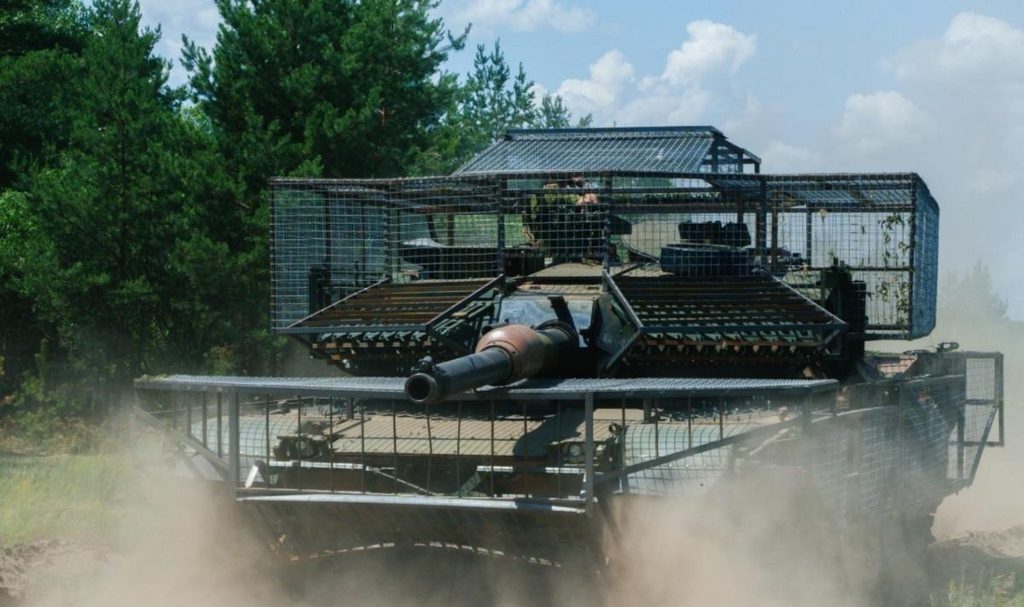
Ukrainian crews and repair units adapt vehicles to counter threats — for example, installing additional metal structures, grilles, and screens over the turret and on the hull. In the media these are often referred to as “mangals” or anti-drone cages.
Their purpose is to complicate direct contact between a munition and the armor, alter the detonation conditions of certain warheads, or reduce the probability of certain areas being hit.
5 conclusions about tanks in the AFU
- Tanks have not lost their purpose. They retain an advantage in combining armor protection, mobility, and powerful armament. These qualities are especially important for supporting infantry and engaging fortified positions.
- The detectability of vehicles has become one of the defining factors in their survivability. Drones have increased the range and duration of battlefield observation, making the mass concentration of armor riskier.
- A successful offensive requires a combination of actions and assets. Engineering support, artillery, infantry, reconnaissance, electronic warfare, and unmanned systems create the conditions under which armor can accomplish its mission.
- Protection and technical readiness are no less important than the vehicle’s own characteristics. Modern tanks require regular maintenance, additional protective measures, and adaptation to specific combat conditions.
- Returning tanks to offensive operations differs from the old model of armored breakthrough. To employ vehicles effectively, enemy combat capabilities must first be degraded, after which armor is used for fire support and to consolidate gains.