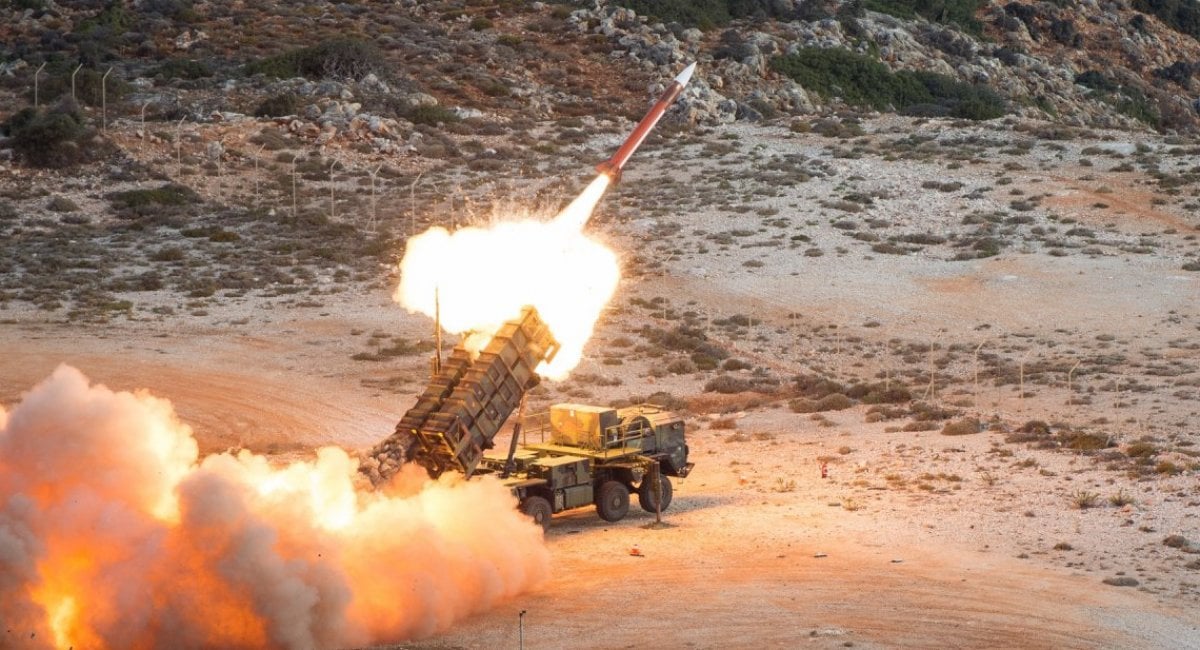
On September 13, 2026, U.S. President Donald Trump stated that Washington is discussing the possibility of granting Ukraine a license to produce interceptor missiles for Patriot surface-to-air missile systems — but only an outdated, less technologically advanced version.
Trump told reporters aboard an aircraft during a flight, responding to questions about the prospects of Kyiv obtaining such a license. When asked whether Ukrainian President Volodymyr Zelensky would be able to secure a Patriot production license from the United States, Trump briefly replied: “A less sophisticated version.” The American leader did not specify which interceptor missile model was being referred to, nor whether the plan had received approval from U.S. defense contractors.
Judging by the wording and context of the negotiations, one possible option could be the PAC-2 missile family, specifically the GEM-T (Guidance Enhanced Missile-Tactical) modification.
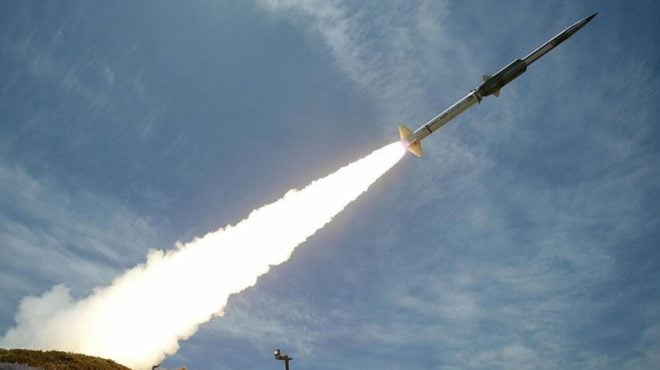
Unlike the more modern PAC-3, which uses “hit-to-kill” kinetic intercept technology (direct impact), the PAC-2/GEM-T is equipped with a fragmentation-high-explosive warhead weighing approximately 90 kg and defeats its target by detonating in proximity to it. The missile has a range of approximately 70 km and a maximum engagement altitude of over 24 km.
By design, the PAC-2 GEM-T is a multi-purpose interceptor: it is a modification of the PAC-2 with enhanced capabilities against tactical ballistic missiles as well as cruise missiles at low altitudes.
This means the missile is capable of engaging aircraft, cruise missiles, and — with certain limitations — ballistic targets, though it is inferior in this regard to the specialized PAC-3, which was designed specifically to intercept ballistic missiles.