The ground robotic complex ‘Rys-Pro’ covered 26 kilometres round trip to evacuate a seriously wounded fighter of the 501st Separate Battalion of the 36th Marine Brigade from a position no vehicle could reach. This was reported on 18 August on the page of the Naval Forces of the Armed Forces of Ukraine.
After a battle that ended with the destruction of an enemy group, one of the marines sustained severe gunshot wounds. A conventional evacuation — by ambulance or ATV — was impossible: the position was kept under fire, and the terrain prevented vehicles from getting close enough.
While the evacuation was being prepared, UAV operators dropped medications and first-aid supplies to the wounded fighter. The soldier periodically lost consciousness but independently took painkillers and antibiotics, recorded the times he took the medications, and maintained communication with medics.
The decision to dispatch the ‘Rys-Pro’ was made because no other means of evacuation could physically reach the point under fire. Before departure, the route was scouted several times by quadcopter.
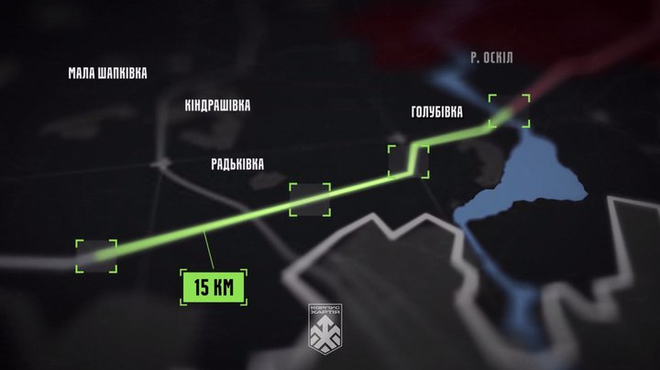
The robot, fitted with additional armour, travelled approximately 26 km round trip: it reached the marine’s position, took him on board, and delivered him to a rendezvous point with an evacuation vehicle, from where the fighter was transported to medics. This is one of the longest confirmed sorties for ‘Rys-Pro’ in a single run: a previous successful evacuation over approximately 10 km had been reported during assault operations in Andriivka on the Bakhmut axis.
‘Rys-Pro’ is a wheeled UGV made by the Ukrainian company Roboneers, developed with the support of the Brave1 platform. It is a modification of the base ‘Rys’ platform, which the military has been receiving since August 2023 and which was previously used primarily with remotely controlled weapon stations such as the ‘ShaBLya’ turret.
The ‘Pro’ version is positioned by the manufacturer as a universal logistics and evacuation platform with the option of further ‘transformation’ into an assault complex through the addition of combat modules or additional equipment. According to publicly available manufacturer data, the updated ‘Rys-Pro’ features:
- a payload capacity of up to 300 kg;
- a range of up to 40 km on a single charge, expandable to 80 km through four swappable batteries included in the kit;
- operator control at a distance of 3–5 km via a repeater (up to 1.5 km without one), and in the updated version also via LTE and MESH-standard digital communications resistant to jamming in challenging conditions;
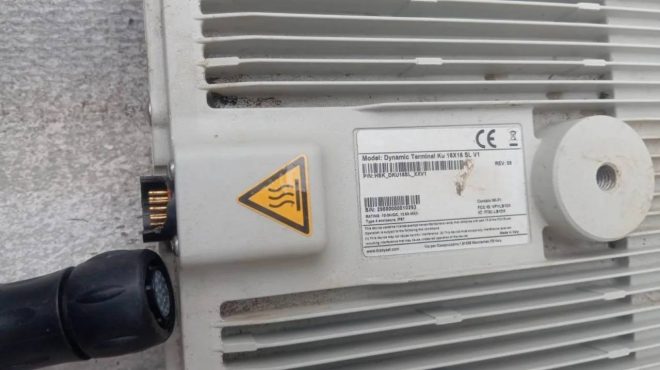
- integration of a Starlink Mini satellite terminal in the base configuration for a stable control link where no other communication means are available;
- a rear-view camera and navigation systems that allow the operator to guide the platform across rough terrain with virtually no direct line of sight.
According to representatives of the Naval Forces of the AFU, the fighter was saved thanks to a combination of three factors: the speed of medical assistance, the marine’s own resilience, and the capability of the ‘Rys-Pro’ to reach a place no other vehicle could. The marine was diagnosed with gunshot wounds, a fractured lower jaw, and a chest wound with a large haematoma. Medics administered infusion therapy, stopped the bleeding, and stabilised the fighter’s condition while still in the evacuation vehicle.