Modern military intelligence largely depends on the speed of obtaining and analyzing information. On the battlefield, a large volume of data is constantly generated: electronic warfare signals, video from drones, sensor readings, and information from various surveillance systems. All this reconnaissance data must be quickly collected, processed, and transmitted to the units that make decisions.
That is precisely why data centers play an important role in modern military operations. They make it possible to combine different sources of information into a single system and ensure the processing of reconnaissance data in real time. Thanks to this, commanders can promptly assess the situation on the battlefield and react faster to changes in the circumstances.
The Role of Data Centers in Military Intelligence
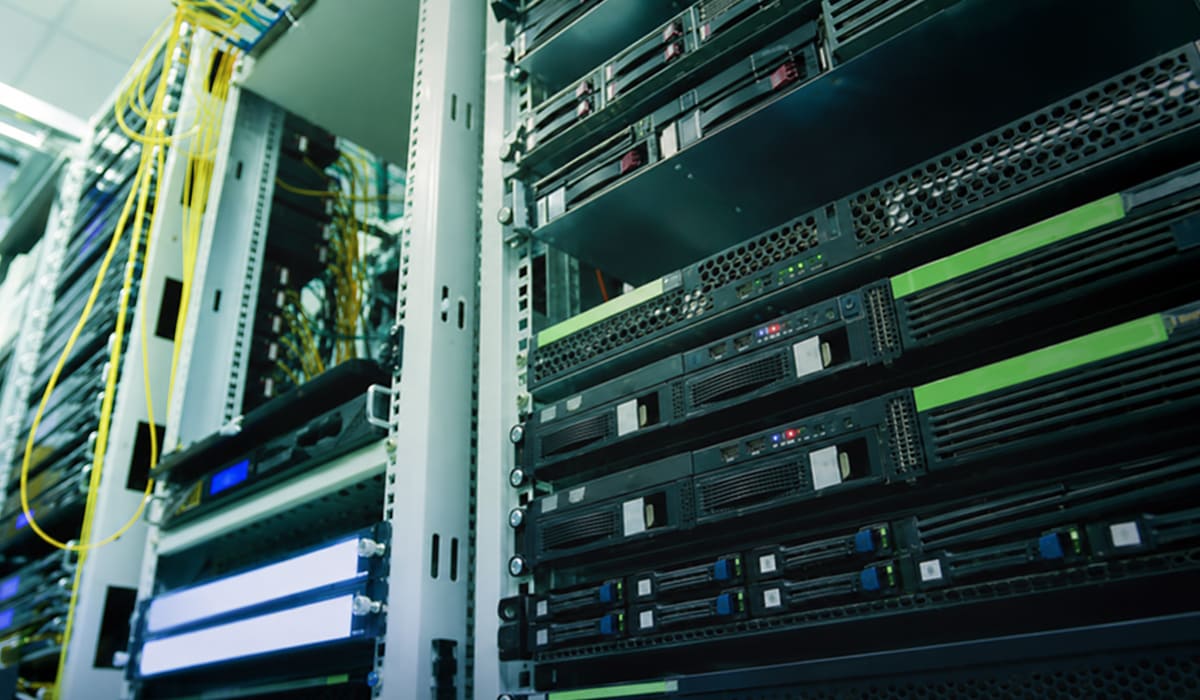
Data centers are an important element of the infrastructure of modern military intelligence. It is precisely in them that large arrays of information arriving from different sources are stored, and their analysis is carried out.
In combat conditions, reconnaissance data arrives simultaneously from many systems. These can be drones, ground sensors, radar stations, or electronic reconnaissance systems. Without a centralized information processing system, it would be difficult to quickly analyze such data and use it for decision-making.
Data centers act as the computational core of the entire military intelligence system. They ensure the storage of information, its analysis, and the transmission of results to unit command systems.
Sources of Reconnaissance Data in Modern Warfare
Modern military intelligence uses a large number of different sources of information. These include drones, electronic reconnaissance systems, ground sensors, surveillance cameras, and other technical data-collection assets.
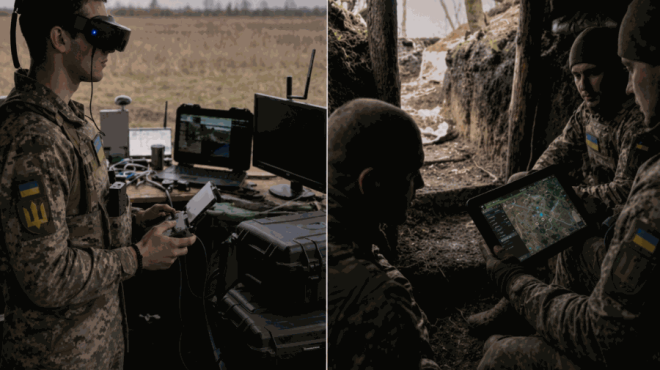
Drones transmit video and photo imagery from the battlefield, which makes it possible to track the movement of equipment or personnel. Electronic reconnaissance analyzes the signals emitted by communication assets, radars, or other electronic systems.
A separate role is played by drone-detection systems. For example, the Chuika 3.0 drone detector from BlueBird Tech is able to record drone control signals and transmit information to reconnaissance data collection systems. Such devices help detect drone activity and react faster to potential threats.
The combination of different sources of reconnaissance data makes it possible to obtain a more accurate and complete picture of the situation on the battlefield.
Processing Reconnaissance Data in Real Time
One of the main tasks of military data centers is processing reconnaissance data in real time. In modern warfare, the speed of analyzing information often determines the effectiveness of units’ actions.
When information arrives from different sources, it must be quickly analyzed and structured. For this, specialized software systems are used, which make it possible to combine data from different channels and form an overall picture of the situation.
Thanks to this, military units can promptly receive information about the movement of equipment, drone activity, or other potential threats. This makes it possible to make decisions faster and adjust the actions of units in accordance with changes in the circumstances.
Integrating Drones and Sensors Into the Data Collection System
In modern military operations, drones and sensor systems play an important role in collecting information. They make it possible to obtain reconnaissance data from different sections of the battlefield and transmit it to the analysis system.
Drones can conduct surveillance from the air and transmit video in real time. Ground sensors are able to record the movement of equipment or other changes in the environment.
All this data is transmitted to data centers, where it is integrated into a single information system. Thanks to this, military intelligence obtains a more complete picture of events and can identify potential threats faster.
Protecting Data Centers and Reconnaissance Data From Cyberattacks
Data centers that process reconnaissance data are important elements of the information infrastructure. That is precisely why their protection from cyberattacks is of critical importance.
Modern military systems use multi-level cybersecurity mechanisms. These include data encryption, control of access to information systems, and constant monitoring of network activity.
Such measures make it possible to protect reconnaissance data from unauthorized access and ensure stable operation of information processing systems even in the difficult conditions of cyber confrontation.
Using Data Centers to Manage Combat Decisions
Data centers play an important role in the process of managing combat operations. It is precisely they that ensure the rapid processing of information necessary for assessing the situation on the battlefield.
Thanks to the processing of reconnaissance data in real time, commanders can identify potential threats faster, plan the actions of units, and coordinate their work.
An important part of this system is also electronic reconnaissance, which makes it possible to detect the activity of various enemy electronic systems. More about the principles of how such systems work can be found in the article: «Electronic reconnaissance: how threats from drones are detected even before an attack». It explains how the analysis of signals helps detect drones and other threats even before they appear in the combat zone.
Conclusions
Military data centers play a key role in the modern military intelligence system. They ensure the collection, storage, and processing of large arrays of information arriving from different sources.
Thanks to the integration of drones, sensor systems, and electronic reconnaissance assets, data centers make it possible to obtain reconnaissance data in real time. This increases the speed of making combat decisions and helps military units act more effectively in the difficult conditions of modern warfare.