An artillery unit is one of the key elements of the modern battlefield. It is precisely artillery that ensures fire superiority, affects the pace of combat operations, and creates conditions for the maneuver of other units. In the warfare of high technologies, the role of artillery units does not decrease but, on the contrary, becomes more comprehensive, combining classic engagement assets with reconnaissance, correction, and digital fire control.
What an Artillery Unit Is
An artillery unit is a tactical unit of the Armed Forces intended for engaging the enemy with fire at significant distances. Its main task lies in delivering strikes on the manpower, equipment, fortifications, control points, and rear objects of the enemy.
Unlike units that conduct direct contact battle, an artillery unit works indirectly — without direct clash with the enemy. The effectiveness of artillery depends not only on the power of the armament but also on the accuracy of reconnaissance, the speed of transmitting coordinates, and the quality of fire control.
Main Tasks of an Artillery Unit
The main tasks of an artillery unit include: the fire support of infantry and mechanized units, the suppression of the enemy’s artillery, the destruction of fortified positions, logistical hubs, and command posts, as well as the deterrence of the enemy’s offensive actions.
In modern conditions, artillery acts under the constant threat of counter-battery warfare and UAV strikes. This requires maximum accuracy, the shortening of the time between detecting a target and engaging it, as well as the rapid change of positions after completing a fire task.
The Structure of an Artillery Unit
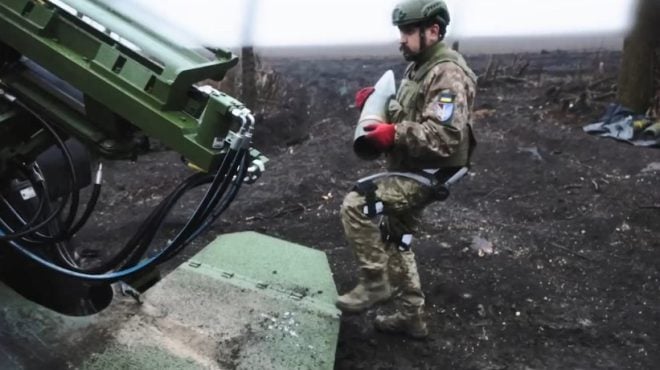
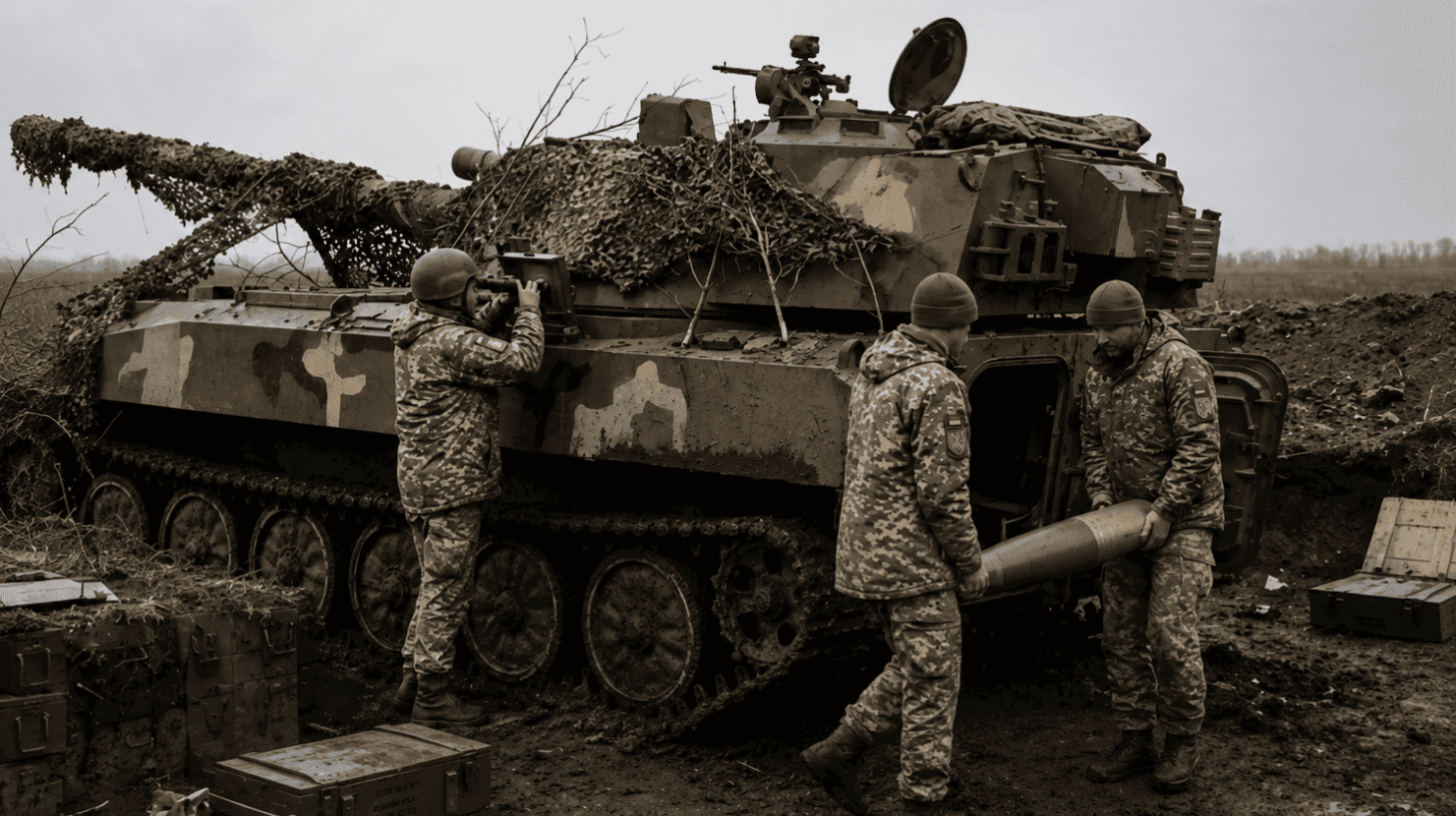
The structure of an artillery unit usually includes fire crews, command-observation posts, control, communication, and support subunits. A separate role is played by reconnaissance elements, which ensure the determination of the coordinates of targets and the correction of fire.
The well-coordinated interaction between all the components makes it possible for an artillery unit to act autonomously or as part of larger groupings, maintaining effectiveness even in conditions of active counteraction on the part of the enemy.
An Artillery Unit in Combat Operations
In combat operations, an artillery unit works in conditions of constant dynamics. After detecting a target, it is necessary to quickly transmit the coordinates, prepare the fire assets, carry out a salvo, and almost immediately change position to avoid a return strike.
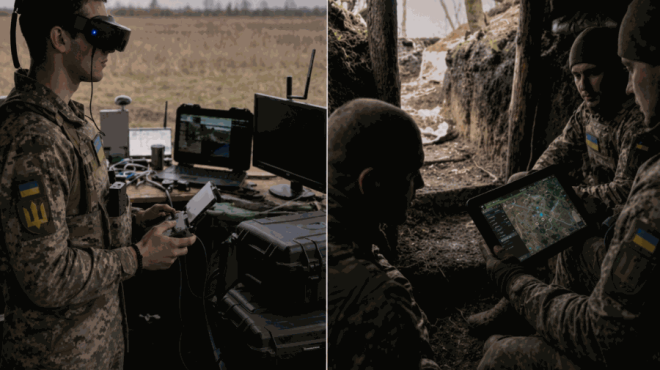
Counter-battery warfare, where the speed of reaction and the accuracy of data become decisive, acquires special significance. That is precisely why an artillery unit increasingly works in close conjunction with unmanned systems, which ensure fire correction in real time and make it possible to reduce ammunition expenditure while increasing the effectiveness of engagement.
The Interaction of an Artillery Unit With Other Forces
The effectiveness of an artillery unit directly depends on its interaction with other forces — infantry, reconnaissance, UAV units, and management bodies. It is precisely such interaction that makes it possible for artillery to promptly react to changes in the situation and ensure continuous fire support.
For stable communication between spotters and firing positions, FPV repeaters are used. In particular, the FPV repeater “Vishchun-M” on DJI Mavic from BlueBird Tech is applied to expand the range and stability of video and telemetry communication. In this solution, the DJI Mavic acts as the carrier of the repeater, which makes it possible to maintain reliable analog communication on the frequencies of 1.2 GHz and 5.8 GHz even in difficult conditions of radio-electronic confrontation. Such technologies directly affect the accuracy of fire correction and the speed of decision-making by an artillery unit.
More about the principles of fire coordination can be learned in the article: «Fire support of units: how strikes are coordinated at the front».
Conclusions
An artillery unit remains one of the key tools of conducting modern warfare. Its role lies not only in massed fire impact but also in the precise, quick, and coordinated engagement of targets in interaction with other units.
The combination of classic artillery assets with modern communication and reconnaissance technologies makes it possible for artillery to maintain decisive significance on the battlefield. That is precisely why artillery remains the basis of fire dominance even in the warfare of drones and high technologies.