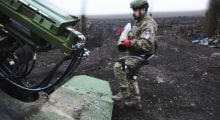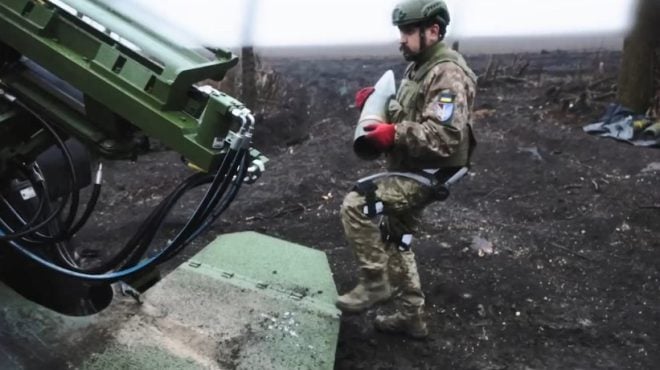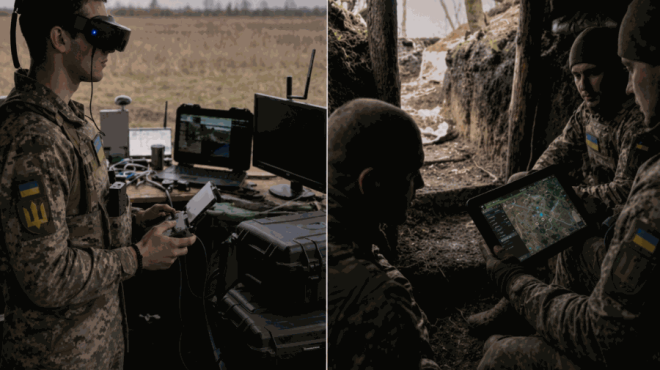
Modern warfare has substantially changed the approach to the use of military equipment and armament. What was earlier considered sufficient today often does not correspond to the real conditions of application. The role of drones, reconnaissance, high-precision weapons, and electronic warfare has grown, and along with this — the requirements for mobility, protection, and the ability of equipment to quickly adapt to changes in the situation.
This material was prepared by the BlueBird Tech team for those who work with military equipment or are interested in its real application in modern conditions. The article explains how combat experience affects the requirements for equipment and armament, which characteristics have become critically important, and why armies are changing the approaches to the development, modernization, and use of armament in practice.
Military Equipment in Modern Warfare: Why the Approaches to Its Use Are Changing
In modern conditions, military equipment is no longer considered a self-sufficient element. Its effectiveness is determined not only by power or armoring but by the ability to work in a complex with reconnaissance, communication, drones, and management systems.
Combat experience shows that equipment that is not adapted to the quick change of the situation quickly loses effectiveness. The high saturation of the battlefield with means of observation and destruction forces a reconsideration of the approaches to camouflage, maneuver, and protection. That is precisely why the accent shifts from the quantity of equipment to its functionality, flexibility, and ability to integrate with other systems.
The Main Requirements for Military Equipment in Conditions of Combat Operations
Modern military equipment must correspond to the real conditions of application and not only to the technical characteristics on paper. The following requirements have become key: mobility, survivability, repairability, adaptation to front-line conditions, the ability to quickly change configuration to suit the task of the unit.
Mobility makes it possible to avoid being hit and quickly change positions, survivability — to withstand the impact of fragments and secondary damage, and repairability — to return equipment to service without prolonged downtime. The possibility of equipping the vehicle with additional means of protection and support without a deep modernization of the base platform has also become an important factor.
In this context, the role of technological solutions for military equipment grows — protection systems, electronic warfare assets, and auxiliary gear for units. In particular, the vehicle EW «Hrets 5UL» makes it possible to increase the survivability of equipment, reduce the risk of being hit by drones, and adapt vehicles to the real conditions of application.
Armament in the War of High Technologies: What Determines Effectiveness
The effectiveness of armament in modern warfare depends less and less only on caliber or power. The decisive factors have become precision, range, speed of reaction, and the ability to work in interaction with reconnaissance and drones.
Armament integrated with systems of observation and correction makes it possible to reduce the expenditure of ammunition and increase the effectiveness of destruction. At the same time, the significance of the protection of control channels and resilience to electronic warfare impact grows. Without this, even modern samples of armament can lose effectiveness in real conditions.
That is precisely why the approach to the application of armament is changing from mass use to pinpoint use, based on reconnaissance data and operational interaction between units.
How Combat Experience Changes the Requirements for the Development and Modernization of Armament
Real combat experience has become the main factor that affects the development and modernization of military equipment and armament. Solutions that do not pass the test of practice quickly lose relevance, regardless of the declared characteristics.
Modern approaches to modernization provide for the quick introduction of changes, modularity, the possibility of adaptation to concrete tasks and conditions of application. Instead of creating fundamentally new samples, it is often more effective to equip existing equipment with modern systems of communication, protection, and electronic warfare.
More about how combat experience affects the development of separate types of armament is discussed in the material «How artillery has changed: the evolution from howitzers to high-precision weapons», where the transformation of artillery systems under the influence of modern requirements is examined.
Conclusion
Modern warfare has changed the requirements for military equipment and armament, making flexibility, integration, and the ability to quickly adapt to changes in the situation key. Effectiveness today is determined not by separate characteristics but by how well the equipment and armament fit into a single system of management, reconnaissance, and protection of units.