Assault operations in modern warfare are among the most difficult types of combat operations. They require from personnel not only physical endurance but also the ability to quickly orient themselves in the situation, act in small groups, and make decisions under the constant threat of engagement.
The training of assault units today differs substantially from prewar approaches. The mass use of drones, precision engagement assets, and constant surveillance from the air have forced a rethinking of training standards and an emphasis on adaptability and survival.
The Role of Assault Troops in Modern Assault Operations
Assault troops carry out the tasks of breaking through defenses and capturing enemy positions in conditions of direct combat contact. It is precisely these units that operate at minimal distances, where the mistake of an individual soldier can have critical consequences for the entire operation.
Modern assault operations are distinguished by high dynamics and the constant change of the situation. An assault group must act in a coordinated way, quickly adapt to losses, changes in routes, and new threats, which directly determines the requirements for personnel training.
Basic Military and Combat Training of the Armed Forces of Ukraine
Military training forms the basis for the further specialization of soldiers of assault units. It includes physical endurance, weapon-handling skills, and a basic understanding of actions in a combat situation.
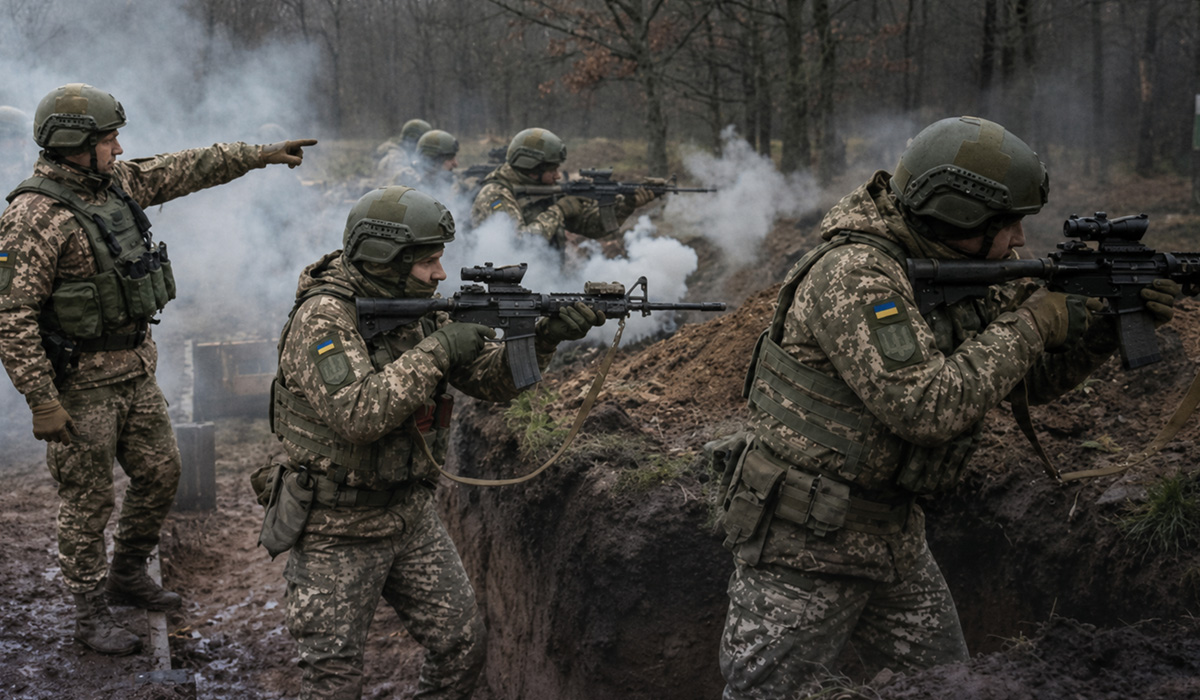
The combat training of the Armed Forces of Ukraine complements these elements with practical exercises close to real conditions. Personnel learn to act as part of small groups, coordinate actions under fire pressure, and quickly react to changes in the situation. These approaches are revealed in more detail in the article: «The combat training of the military in the Armed Forces of Ukraine», which gives a broader idea of the training system.
Preparation for Battle in Conditions of a Drone Threat
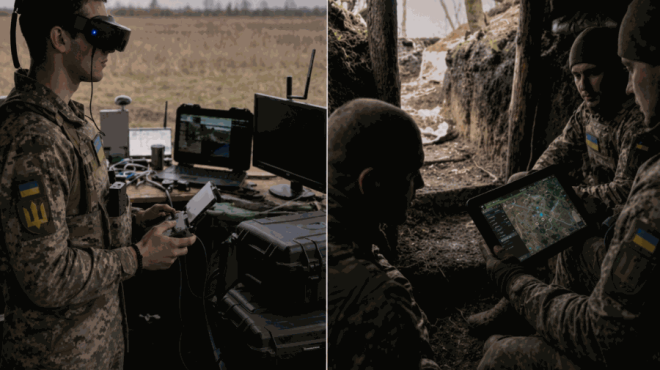
The drone threat has become one of the key factors affecting the training of assault units. Constant surveillance from the air forces a change in the approach to movement, camouflage, and the choice of positions.
Training is oriented toward reducing unmasking signs, the rapid change of position, and the use of cover. Personnel learn to act in conditions where even a short stay in open terrain can lead to engagement, which makes these skills critical for survival.
The Interaction of a Unit During Assault Tactics
Assault tactics are based on the clear interaction between the soldiers of an assault group. Each participant must understand their role and act synchronously with the others, even with limited communication or partial disorganization.
During the assault of positions, special attention is paid to the distribution of sectors of responsibility, mutual cover, and rapid decision-making. Training forms the skills of working as a single mechanism in conditions of high risk.
Training in Working With Modern Armament and Equipment
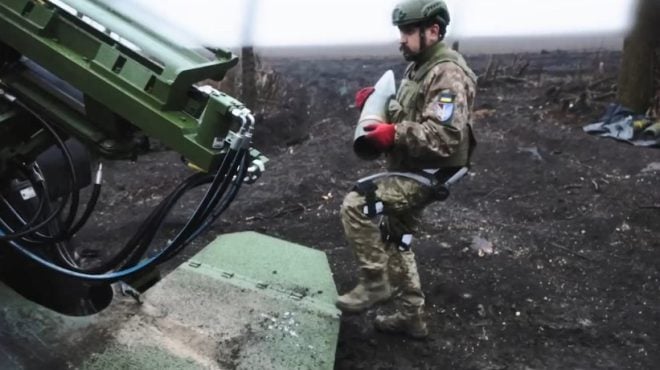
Modern combat training involves training in working with different types of armament and auxiliary assets that are applied during assault operations. It is important not only to be able to use equipment but also to understand its limitations in real combat conditions.
Separate attention is paid to passive protection assets against drones. Such solutions include the AntiSkid “Hrets” 4MTs — a trench device against FPV drones, which is used as an element of the engineering protection of positions. Such assets do not replace active counteraction but reduce the risks to personnel during their stay in trenches or at fortified positions.
Psychological Training and Stress Resistance
Psychological training is a critically important component of the training of assault units. Constant danger, losses, and overload directly affect the ability of a soldier to act effectively.
In the process of training, personnel learn to control emotional reactions, maintain concentration, and make decisions under pressure. The development of stress resistance reduces the number of mistakes and increases the effectiveness of actions in critical situations.
How Training Standards Are Changing Under the Influence of War
War has forced a rethinking of the training standards of assault units. The emphasis is gradually shifting from formal standards to practical skills that directly affect survival and the execution of tasks.
Modern training is becoming more flexible and adaptive, taking into account real combat experience. This makes it possible to quickly adjust training programs and respond to new threats that constantly appear on the battlefield.
Conclusions
The training of the personnel of assault units in modern warfare is a comprehensive process that combines physical, tactical, and psychological components. The mass use of drones and precision engagement assets substantially affects training standards and the approach to combat training. It is precisely the level of training that determines the effectiveness of assault operations and the ability of units to carry out tasks with minimal losses.