Modern combat operations largely depend on the stable operation of electronic systems. Radio communication, navigation, unmanned aerial vehicles, and electronic warfare systems function in a difficult electromagnetic environment, where the signal constantly interacts with various sources of interference.
In such conditions, even small radio interference can affect the quality of signal transmission, the accuracy of navigation, or the stability of controlling equipment. That is precisely why understanding the nature of electromagnetic interference is an important part of operating military electronics.
Radio Interference and Its Sources in the Combat Zone
Radio interference arises when an extraneous signal hampers the reception or transmission of useful information. In combat conditions, its sources can be both natural factors and technical systems.
Natural sources include atmospheric phenomena, solar activity, and other electromagnetic processes. However, much more often radio interference arises due to the operation of electronic equipment — radio stations, radars, EW systems, drone transmitters, or other communication assets.
In the combat zone, the electromagnetic environment becomes especially saturated with signals. A large number of transmitters work simultaneously, and this can lead to the mutual influence of signals, which complicates the operation of communication and control systems.
Electromagnetic Interference in Military Equipment
Electromagnetic interference arises not only between different systems but also within the equipment itself. Any electronic device creates an electromagnetic field that can affect other components of the equipment.
In military equipment this is especially important, since different electronic modules work simultaneously: communication, navigation, control, and data processing systems. If their operation is not coordinated from the point of view of electromagnetic compatibility, the emergence of internal interference is possible.
That is precisely why, during the development of military systems, great attention is paid to shielding electronic modules, the correct placement of cables, and the coordination of the operating frequencies of equipment.
The Impact of Interference on a Military Radio and Digital Communication
Radio interference directly affects the operation of radio stations. In the case of analog communication, it can manifest itself in the form of noise, signal distortion, or partial loss of information.
In digital communication systems, the situation is somewhat different. Here the signal is transmitted in the form of digital data packets, so interference can lead to transmission delays, packet loss, or a complete break in the communication channel.
This effect becomes especially noticeable in an environment with a large number of simultaneous transmitters. In such conditions, even stable communication channels can temporarily lose signal quality.
Interference in the Operation of UAVs and EW Systems
Unmanned aerial vehicles and electronic warfare systems work in the same frequency bands as many other communication systems. Because of this, they are especially sensitive to radio interference.
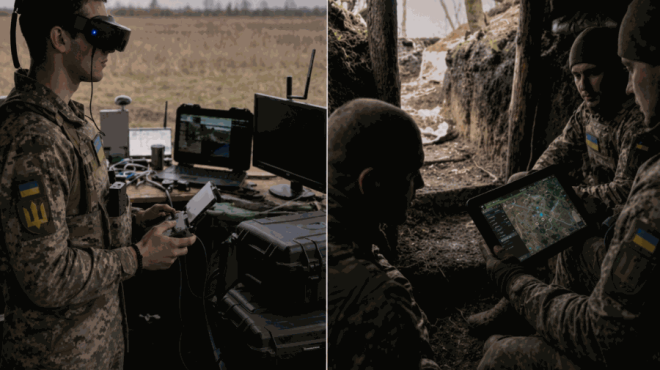
Interference can affect both the drone control channel and the transmission of the video signal. In some cases, this leads to a signal delay, a reduction in control stability, or a temporary loss of communication between the operator and the drone.
EW systems, in turn, can deliberately create radio interference to suppress the enemy’s control channels. In such conditions, the signal of navigation systems or communication channels can lose accuracy or stability.
More about how electronic warfare assets affect satellite navigation and the operation of positioning systems can be learned in the article: «The impact of EW assets on GPS and navigation: causes of disorientation and consequences», which examines the main mechanisms of such an impact and its practical consequences in combat conditions.
In real combat conditions, understanding these processes helps correctly assess the causes of signal loss and adapt the operation of equipment to a difficult electromagnetic environment.
Methods of Reducing Electromagnetic Interference
To reduce the impact of electromagnetic interference, several technical approaches are applied. One of them lies in the correct distribution of frequencies between different communication and control systems.
Another important method is the use of shielding for electronic components. Metal casings, special filters, and protected cables make it possible to reduce the impact of extraneous signals on the operation of equipment.
The correct placement of antennas and transmitters also plays an important role. Even a small increase in the distance between signal sources can significantly reduce the level of mutual interference.
Protecting Military Electronics From Radio Interference
Protecting military electronics from radio interference begins with the correct choice of components of the communication system. One of the key elements in this process is the antenna, since it is precisely the antenna that is responsible for the reception and transmission of the signal. The HELIX Lite 5.8/15 antenna is a lightweight high-frequency antenna that is used in communication and control systems for unmanned craft.
It works in the 5.8 GHz band and ensures the directional propagation of the signal, which makes it possible to increase the stability of data transmission in a difficult electromagnetic environment.
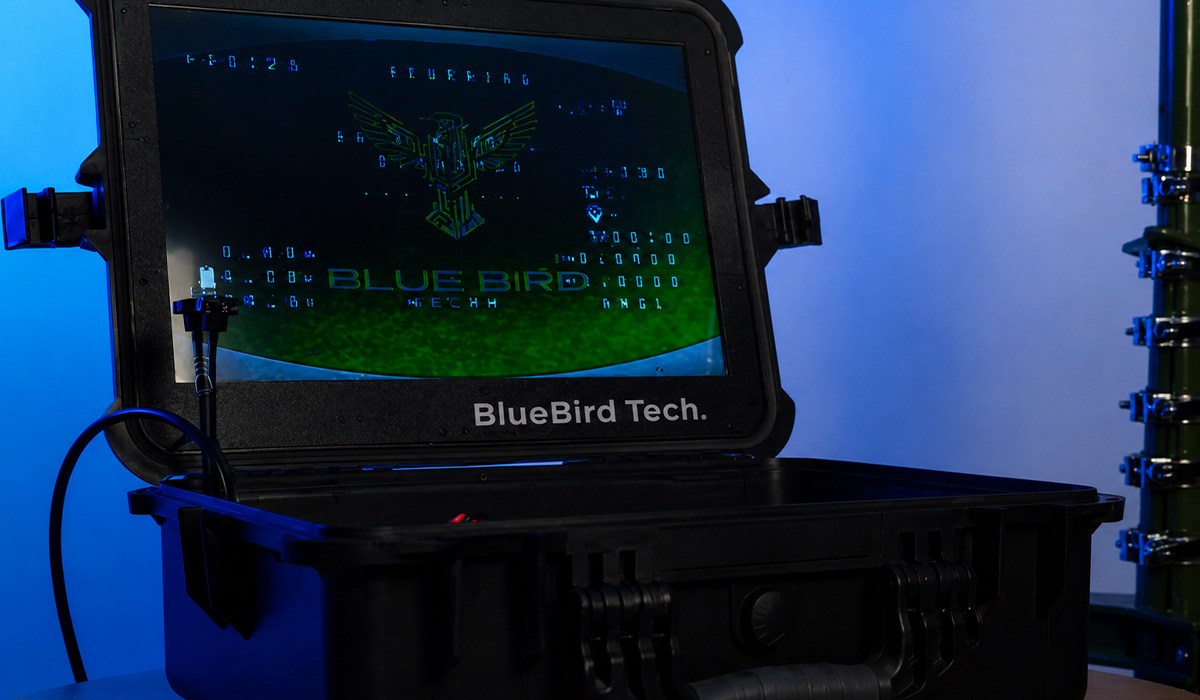
This antenna is not a standalone communication system. It is used as a component within more complex technical solutions, in particular ground stations for controlling drones or video signal transmission systems. Thanks to its directional design, the antenna makes it possible to concentrate the signal energy in the required direction, which reduces the impact of extraneous radio interference and improves the quality of communication.
Conclusions
Radio interference and electromagnetic interference are an integral part of the modern electronic environment on the battlefield. They can affect the operation of radio stations, unmanned systems, and other electronic components of military equipment.
Understanding the sources of interference and the principles of their impact makes it possible to organize communication and control systems more effectively in combat conditions. The correct placement of antennas, the use of shielding, and the coordination of frequencies help reduce the negative impact of the electromagnetic environment.