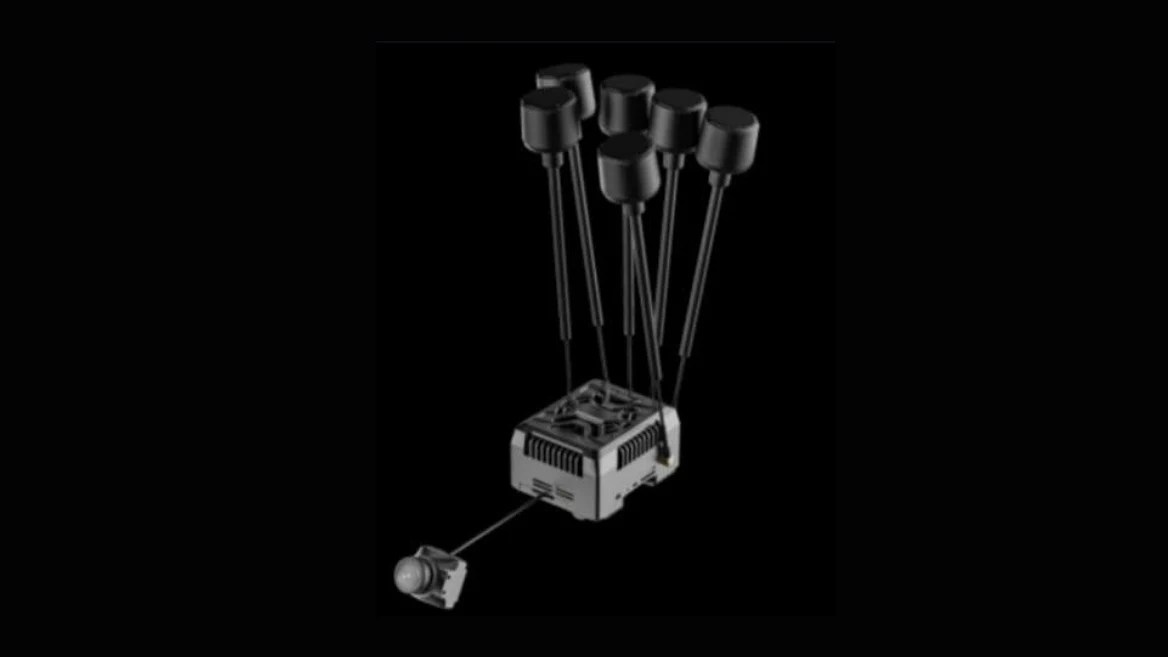
Russian forces have begun actively using a new Chinese digital communication system called Ascent on the front lines. It enables video transmission using AES-256 encryption and operates on a closed communication protocol.
This was reported on November 27 by Serhii Beskrestnov (Flash), a freelance adviser to the President of Ukraine on the development of technological defense directions.
According to him, he has recently been receiving numerous photographs of unknown video transmitters (VTX) with four antennas, discovered on Russian drones. The specialist identified the equipment as components of the Ascent system.
What Is Known About the Ascent System
Ascent was created by a development team that previously worked on the Walksnail digital video communication system. At the same time, according to Beskrestnov, the new system is a separate development rather than an upgrade of the previous platform.
Ascent modems are built on the Artosyn ARLink AR8030 chipset. Data protection is provided by the AES symmetric encryption algorithm with a 256-bit key.
Unlike analog systems, digital video systems transmit imagery as encoded data. This makes it possible to apply encryption, image processing, and other software-based mechanisms.
At the same time, the presence of encryption does not mean the equipment is protected against electronic warfare. Encryption ensures the confidentiality of information, but does not in itself prevent radio signal jamming.
Beskrestnov did not disclose the Ascent’s communication range, video transmission latency, operating frequencies, or the number of Russian drones equipped with this system.
Russians Are Gradually Transitioning to Digital Video Communication
According to Beskrestnov’s assessment, the appearance of Ascent is yet another sign of the gradual displacement of analog video transmission systems on the battlefield.
The specialist had previously reported on the use of digital video communication by Russian forces on drones of the Molniya family, notes Channel 24.
The emergence of new equipment is also taking place against the backdrop of China tightening export controls on drones and their components. At the same time, as reported by UNITED24 Media, Chinese restrictions do not cover all components that Russia uses to manufacture strike and reconnaissance UAVs.
The appearance of new equipment is occurring against the backdrop of China tightening export controls on drones and components. As defpulse previously reported, new export rules came into force on November 18, 2026, covering, among other things, certain communication systems for drones.