In modern warfare, the result of assault operations is increasingly rarely determined only by the number of personnel or the volume of fire. The decisive factor becomes the ability to quickly coordinate actions between assault brigades, artillery, and UAV units in a single information loop.
The mass use of drones, the development of digital control assets, and the growth of artillery fire accuracy have changed the approach to conducting battle. Today, a delay in data transmission or an error in coordination can cost the loss of the pace of an offensive or create a threat to one’s own units.
The Role of Artillery and UAVs in Supporting Assault Operations
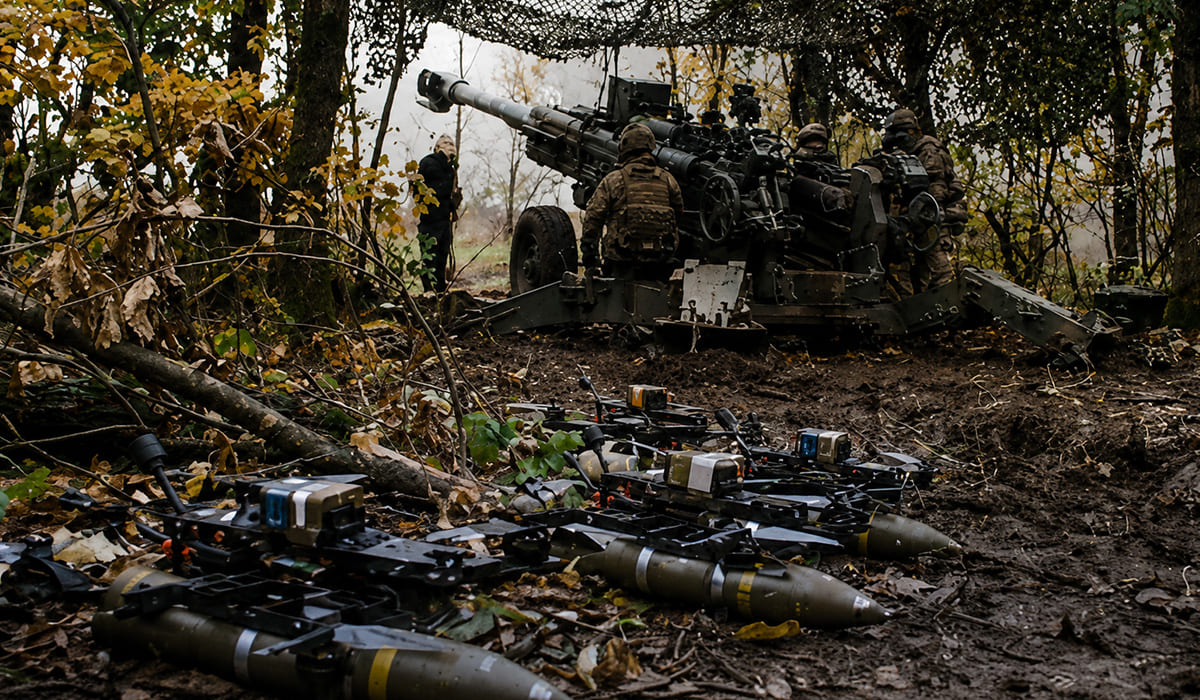
Artillery remains the main means of fire support for assault brigades. Its task lies in suppressing firing points, engaging fortified positions, and creating conditions for the advance of assault units.
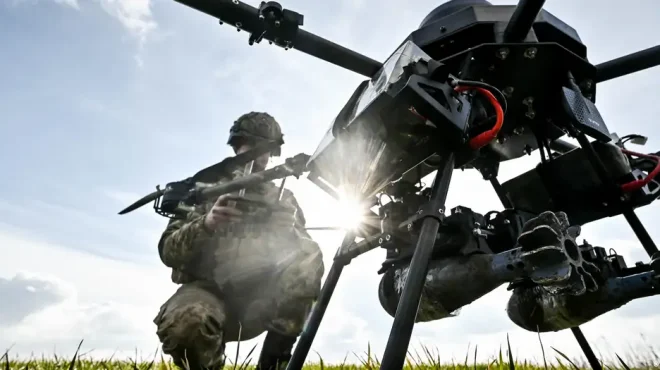
UAVs have radically changed the nature of this support. Drones ensure constant surveillance, the detection of targets, and the monitoring of engagement results. In combination with artillery, this makes it possible to act not «blindly» but on the basis of up-to-date information, which reduces ammunition expenditure and increases the effectiveness of assault operations.
The Algorithm of Interaction of Assault Units With Artillery
The interaction between assault units and artillery is built around a clear algorithm of information transmission. As early as the planning stage, the directions of the assault, priority targets, and the procedure for requesting fire support are determined.
During battle, this algorithm works in a dynamic mode. Assault units report on changes in the situation, UAV units confirm or refine the data, and artillery promptly reacts to updated coordinates. Such a chain makes it possible to shorten the time from detecting a target to engaging it and maintain the pace of the offensive.
The Work of UAV Operators as Part of Assault Operations
The work of UAV operators is a key element of modern assault operations. They ensure reconnaissance before an assault, accompany the advance of units, and transmit information for correcting artillery fire.
A UAV operator works in a mode of constant data exchange with commanders and artillery crews. How effectively artillery will be able to support assault operations depends on their speed of reaction and the accuracy of information transmission. The general principles of such interaction are examined in the article: «Fire support of units: how strikes are coordinated at the front», which complements the understanding of the role of UAVs in battle.
Correcting Artillery Fire and Transmitting Coordinates
The correction of artillery fire is based on the prompt transmission of coordinates from UAV units. Data from drones makes it possible to refine the position of targets and make changes to fire in the shortest possible time.
Even minor delays in the transmission of coordinates can reduce the effectiveness of engagement or create risks for one’s own units. That is precisely why the speed and accuracy of information exchange are critical elements of the interaction between assault brigades, artillery, and UAV operators.
Typical Coordination Mistakes and Their Consequences
One of the common problems is the absence of synchronization between units. If assault units, artillery, and UAV operators work in different information loops, this leads to delays and the loss of initiative.
Another mistake is the overload of communication channels or the use of incompatible data transmission systems. In such conditions, even accurate reconnaissance does not guarantee effective fire support. The consequences become a reduction in the pace of the assault and an increase in risks for personnel.
Army Digitalization and New Standards of Interaction
The digitalization of the army is gradually forming new standards of interaction between assault brigades, artillery, and UAV units. Digital control systems make it possible to reduce the number of intermediate links in the transmission of information and react faster to changes in the situation.
In this context, specialized solutions are applied, in particular the UAV control system “Vishchun-K1”, which is used as an element of the system for controlling unmanned platforms. Such complexes are not destruction assets but ensure the structured work of UAV operators and the integration of their data into the overall battle management system, which directly affects the result of assault operations.
Conclusions
The interaction of assault brigades with artillery and drones is one of the key factors of success in modern battle. Clear coordination algorithms, the effective work of UAV operators, and the rapid correction of artillery fire make it possible to maintain the pace of the offensive and reduce risks for personnel. The digitalization of the army forms new standards of interaction, in which the speed and accuracy of information transmission determine the result of battle.