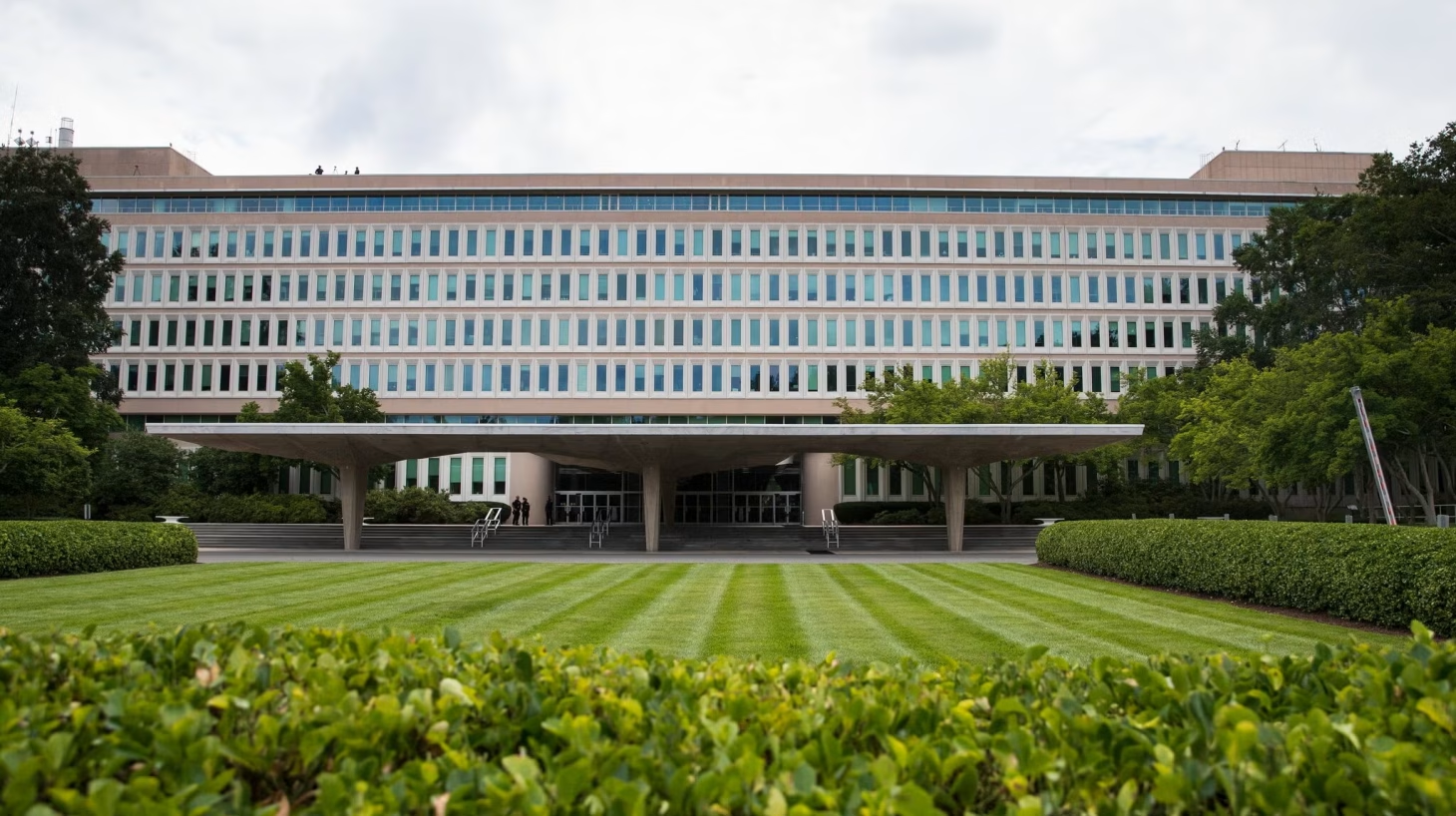
Cyber attackers gained access to an unclassified system used by U.S. intelligence agencies to collect and analyze open-source information. The incident affected the Central Intelligence Agency (CIA) and the Office of the Director of National Intelligence (ODNI). Other federal agencies may have been impacted as well.
This was reported by The New York Times, citing sources familiar with the circumstances of the cyberattack.
According to the publication, the attackers penetrated a network designed for working with OSINT (Open Source Intelligence). It allows analysts to process publicly available materials, including internet publications, social media data, commercial databases, and satellite imagery.
According to the specialized outlet CyberScoop, the incident was confirmed by sources familiar with the investigation. They emphasized that the attack did not affect classified networks or classified information, and that other systems are not currently under threat.
However, Nextgov/FCW reported that the incident may have also affected the U.S. National Geospatial-Intelligence Agency (NGA). There is currently no information about what specific data may have fallen into the hands of the attackers.
Journalists’ attention was drawn to information about the possible use of the ARTEX tool during the attack — an AI-based system designed for automated vulnerability detection and penetration of computer networks. According to Nextgov/FCW, this tool may have been employed in the breach.
Notably, on November 13, the FBI published a warning about the use of ARTEX by cyber attackers. The platform employs a multi-agent architecture to automate network reconnaissance, vulnerability discovery, exploitation of configuration errors, and data exfiltration. According to the U.S. agency’s assessment, in some cases attackers were able to gain privileged access in under three hours.
The American side stated that classified systems and critically important intelligence capabilities were not affected. The CIA declined to comment on the incident, while ODNI did not provide a timely response to journalists’ inquiries.
The authors note that such attacks are dangerous because attackers can obtain information about how intelligence agencies actually use the data they collect. Access to analysts’ search queries, thematic compilations, internal reports, and data processing results potentially allows an adversary to identify U.S. intelligence priorities, detect gaps in information, and understand which areas American intelligence services monitor most closely.