The effectiveness of combat operations is determined not only by the training of units and the availability of equipment but also by how well-coordinated the command system works at different levels. It is precisely at the operational level that the combination of strategic decisions with the real actions of troops in specific conditions takes place.
The operational commands of the Armed Forces of Ukraine play a key role in the planning, coordination, and management of combat operations within defined directions and territories. They ensure the coherence of actions, the adaptation of plans to the situation, and the continuity of command in conditions of the high dynamics of war.
Operational Commands of the AFU: Definition and Place in the Military System
The operational commands of the AFU are military command bodies responsible for the leadership of forces within defined operational directions. They occupy an intermediate place between the General Staff and the direct combat units, ensuring the implementation of strategic decisions in practice.
Their place in the military system lies in coordinating large-scale goals with the real capabilities of the troops, resources, and terrain conditions. It is precisely at this level that the overall strategic concept is transformed into specific action plans adapted to the situation on a specific direction.
Main Tasks of the Operational Commands
The main tasks of the operational commands of the AFU are the planning of combat operations, the management of subordinate forces, coordination between units of different branches of the military, control over the execution of set tasks, and the correction of plans in the event of changes in the situation.
The operational commands constantly analyze the situation, assess risks and opportunities, distribute resources, and determine priorities. They ensure that the actions of individual units are not disjointed but form a single logical system aimed at achieving a common result.
Areas of Responsibility and the Management of Forces
Each operational command of the AFU is responsible for a defined area of responsibility, within which the planning and management of combat operations are carried out. Such an approach makes it possible to take into account the geographic, logistical, and operational features of the region, as well as effectively distribute forces and resources in accordance with the current situation.
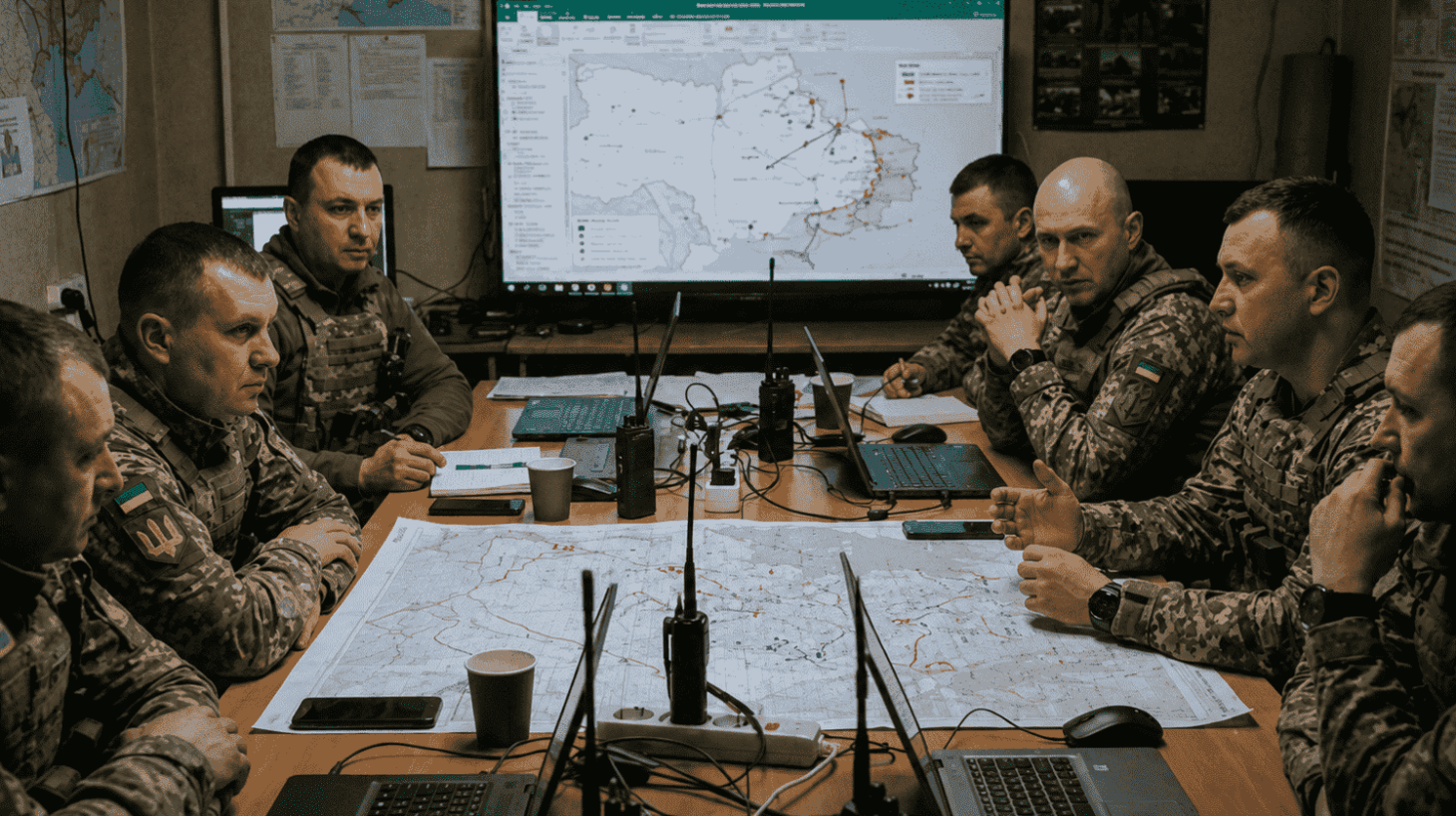
The management of forces in an area of responsibility includes setting tasks, coordinating the actions of units, maintaining continuous communication, and controlling the execution of decisions. For this, appropriate technical infrastructure is used, which ensures the resilience of command even in difficult conditions.
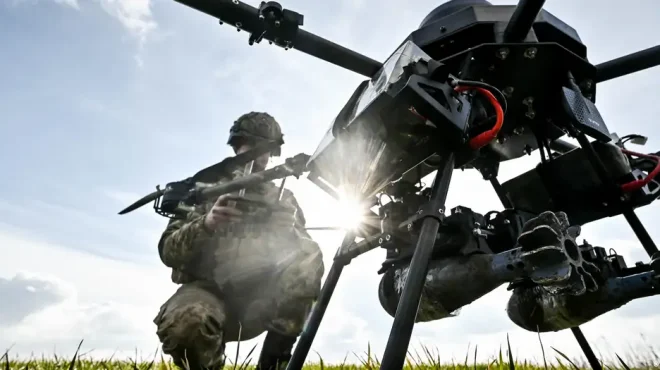
An example of such a solution is the ground control station «Vishchun-HC1» from BlueBird Tech, which is applied as an element of the command and coordination system. Such assets make it possible to maintain the controllability of forces within an area of responsibility, reducing the risk of losing communication between units and command posts.
Interaction With Branches of the Military and Headquarters
The effectiveness of the work of the operational commands largely depends on well-established interaction with branches of the military and headquarters of different levels. This is about coordinating the actions of ground, air, and other components within a single operational concept.
The operational commands ensure the exchange of information, the synchronization of actions in time and space, and the avoidance of the duplication of efforts. Such interaction makes it possible to increase the overall effectiveness of combat operations and maintain controllability even in conditions of the rapid change of the situation. More about the principles of command at lower levels can be read in the article «How command works in the combat units of the AFU».
The Significance of the Operational Commands During War
During war, the role of the operational commands of the AFU grows substantially, since it is precisely they that ensure the stability of command in conditions of constant pressure and uncertainty. The speed of reacting to threats, the coherence of the actions of forces, and the ability to hold the initiative depend on the quality of their work.
The operational commands make it possible to turn the individual actions of units into a holistic system within which each element works for a common result. This makes them one of the key elements of the management of combat operations and an important component of the state’s defense capability.
Conclusions
The operational commands of the AFU play a central role in the planning and management of combat operations. They combine strategic decisions with the real actions of troops, coordinate forces within areas of responsibility, and make it possible to adapt plans to the changing combat situation.