The world of automotive technologies is changing so quickly that what just a few years ago seemed like science fiction today becomes commonplace. One of such spheres is vehicle EW systems– electronic warfare systems that are created for the protection of transport from external threats. If until recently we associated EW exclusively with military equipment, then today we increasingly talk about their adaptation for civilian and specialized vehicles.
Vehicle EW: What Is It?
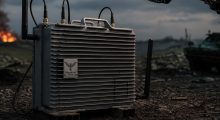
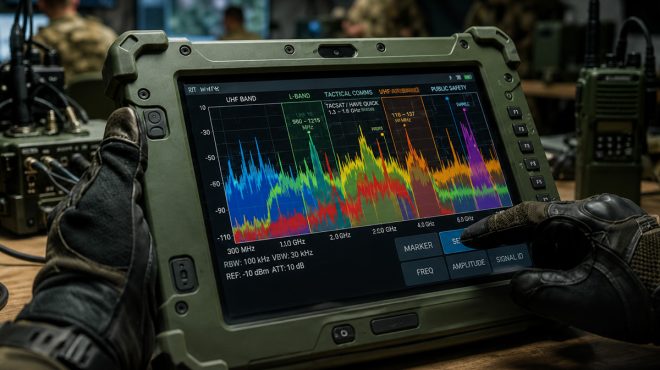
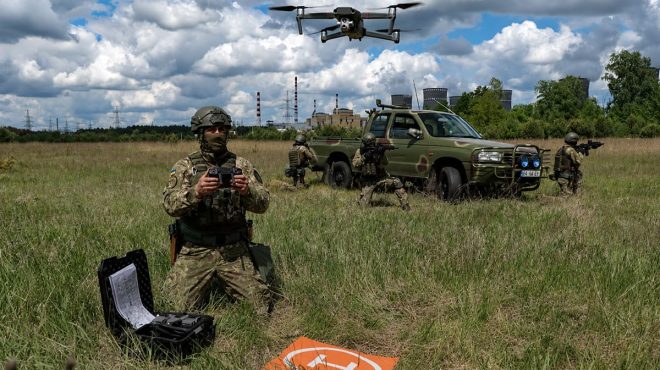
Before figuring out the details, it is worth giving a simple definition. Vehicle EW – what is it? It is a complex of electronic devices that detect, jam, or block unwanted signals. In the first place, this is about protection from remotely controlled explosive devices, drones, or other threats that use radio channels for control. That is, this is not only about military convoys or special equipment but also about civilian spheres where high-level security is needed.
Purpose and Functionality
The main task of such systems is to create a “protective dome” around the vehicle. In this field, all suspicious radio signals are either blocked or distorted. For example, EW for a vehicle can protect the crew from the threat of the explosion of a planted device that is set off by a signal from a phone or radio.
In addition, modern technologies make it possible to adapt the solution to various scenarios. For some tasks, a compact module that is mounted in a passenger car is enough. For others – comprehensive systems for armored vehicles or special machines are needed. It is precisely here that the key advantage is manifested: flexibility and the possibility of scaling.
Where Are Vehicle EW Systems Applied?
The most obvious application is military and security structures. The protection of columns, special-operation vehicles, patrol cars – all of them can receive an additional level of safety thanks to EW on a vehicle. But the spectrum of use is broader.
In the civilian sector, such solutions interest security companies, diplomatic services, and even private persons who have increased requirements for safety. For example, protection from unauthorized tracking through trackers or the interception of the signals of a keyless access system can also become a task for vehicle EW systems.
Modern Trends
Technologies are developing in several directions. Firstly, this is miniaturization: modern modules become more compact but at the same time more effective. Secondly, intellectualization: systems learn to distinguish types of signals and react in a pinpoint manner so as not to create unnecessary interference in the urban environment. Thirdly, integration with other automotive complexes – from navigation to management systems.
Why Is This Relevant Today?
In modern conditions, security ceases to be a secondary question. Drones, remote devices, cyberattacks – all this has become part of reality. Therefore, vehicle EW acts not as a luxury but as a logical response to new challenges.
That is precisely why more and more companies are bringing ready solutions to the market that can be installed on standard cars. And if just a few years ago the question “vehicle EW what is it” sounded exotic, then now it is becoming increasingly relevant for the civilian sector as well.
A Look Into the Future
It is obvious that in the coming years, development in this sphere will only accelerate. We already see how in the world the interest in such systems grows not only from states but also from private structures. Companies similar to BlueBird are actively working on the development of solutions that combine power, convenience, and universality.
Vehicle EW is not just a technology, it is a new level of safety on wheels. And the sooner we understand their significance, the calmer we will feel on the roads in the future.