The Turkish ASELSAN EJDERHA system simultaneously neutralized 51 drones during trials using high-power electromagnetic radiation. According to the manufacturer, all targets were disabled within seconds without the use of missiles or other munitions.
The company announced the test results on November 15. The demonstration was conducted at the Gölbek test range in Turkey and was dedicated to the 51st anniversary of ASELSAN’s founding.
How the ASELSAN EJDERHA Trials Were Conducted
The tests consisted of two stages. First, EJDERHA neutralized two wire-controlled drones at a distance of approximately one kilometer.
The distinctive feature of such aircraft is that they do not rely on a conventional radio control channel, which traditional electronic warfare means target. Instead, EJDERHA acts directly on the drone’s electronic components, meaning its operating principle is independent of how commands are transmitted by the operator.
In the second stage, 51 drones were launched simultaneously. According to ASELSAN, the system neutralized all targets within seconds. The company described this result as a world record for directed-energy systems.
ASELSAN CEO Ahmet Akyol stated that EJDERHA has already entered serial production and has been deployed for operational use.
How EJDERHA Works
EJDERHA AD belongs to the class of directed-energy systems and employs High-Power Electromagnetic (HPEM) technology — high-power electromagnetic radiation.
Unlike traditional electronic warfare means, which primarily jam communication channels and satellite navigation, EJDERHA generates electromagnetic pulses capable of disrupting the electronic circuitry of a drone.
Vacuum electronics technology is used to generate the high-power radiation. Depending on the target’s characteristics and the parameters of the effect, the system can cause malfunctions, reboots, temporary disabling, or damage to electronic components.

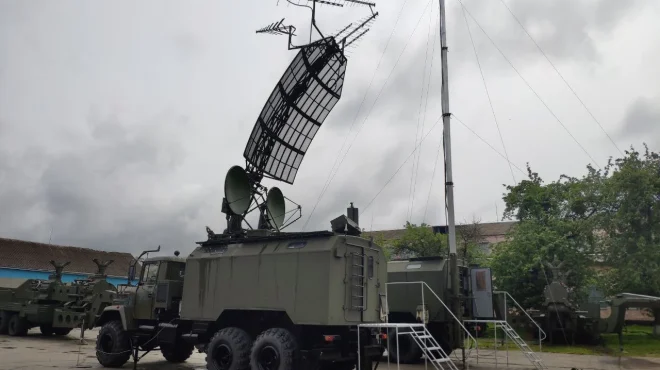
EJDERHA uses a radar to detect aerial targets and an electro-optical system to track them. Once aimed, the emitter directs electromagnetic energy at the target.
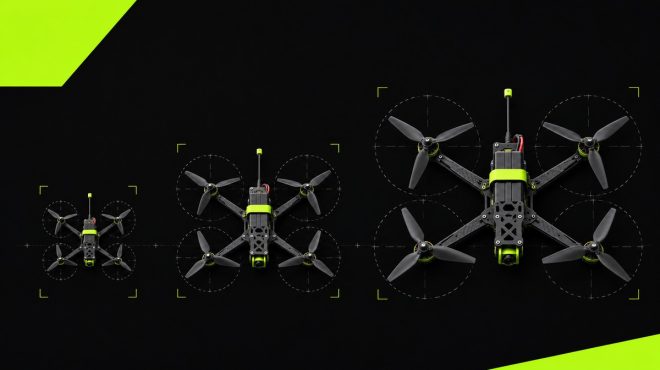
According to the manufacturer, EJDERHA has previously been tested against small quadcopters, wired and wireless FPV drones, and fixed-wing unmanned aircraft.
At the same time, ASELSAN did not disclose the distance at which the 51 drones were located during the group trial, the radiation power, or the duration of exposure to each target. No independently verified data on the results has been published either.
What Is Known About the System
EJDERHA is designed to counter small drones and FPV drones. It is part of Turkey’s multi-layered air defense architecture known as Çelik Kubbe (“Steel Dome”).
The company considers EJDERHA one element of the DroneDef family of counter-drone systems. This family also includes electronic warfare systems, laser complexes, and kinetic intercept means.