Ukraine’s private air defense has destroyed nearly 90 Russian aerial targets since operations began in the spring of 2026. As recently as late October, that figure stood at more than 60.
This was reported by the Ministry of Defense of Ukraine.
The project launched in the spring of this year. Its primary objective is to strengthen the protection of enterprises, above all energy facilities, which are regularly subjected to Russian attacks.
Private groups do not operate independently, however. They are subordinate to military command and integrated into the unified air defense system of the Armed Forces of Ukraine.
What Technologies Does Private Air Defense Use
One of the development directions for private air defense has been automated turrets. Their introduction is supported by the Ministry of Defense and the Brave1 defense innovation cluster.
In late October, the Ministry of Defense reported that automated turrets had destroyed more than 60 aerial targets within the project. In the preceding month alone, they were used to shoot down dozens of Russian drones over Kyiv.
Such systems are already being used by the Air Force of the Armed Forces of Ukraine, in particular to counter the jet-powered “Banderol” and “Geran-5” drones.
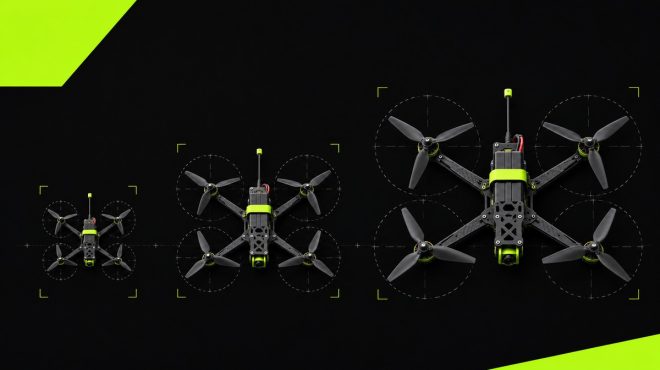
Another avenue for strengthening protection is interceptor drones. In early November, the government expanded the capabilities for their use by private air defense groups, regulating the use of warheads and electric detonators.
At the same time, the Ministry of Defense’s new statement does not specify how many of the nearly 90 targets were destroyed by automated turrets and how many by other air defense means.
How Private Air Defense Works and Who Finances It
The experimental project is being implemented in accordance with Cabinet of Ministers Resolution No. 1506 of November 19, 2025.
As of mid-October, nearly 100 enterprises had joined it. For comparison, in September there were 81 such companies.
In early November, the government approved six amendments aimed at expanding the capabilities of private air defense. In particular, enterprises were permitted to protect the facilities of other companies on a contractual basis, to transfer air defense assets between authorized project participants, and to use manned aircraft.
The minimum age for group members was also lowered from 21 to 18 years, and the participation criteria were expanded to include Defence City resident status or designation of an enterprise as critically important by the Ministry of Defense.
According to clarifications from the defense ministry, enterprises independently finance the activities of their groups, including equipment procurement, personnel training, maintenance, and wages.
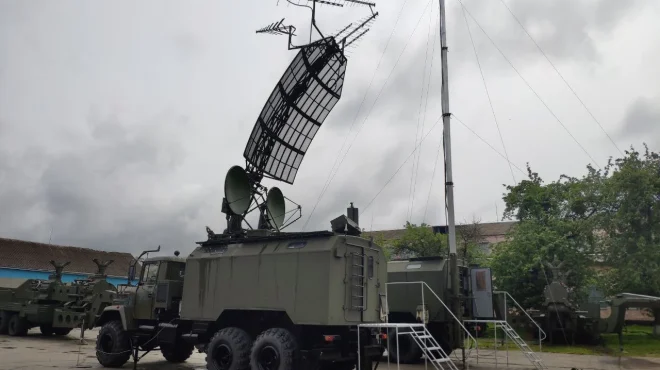
At the same time, military units may temporarily transfer weapons and ammunition to private groups by decision of Air Force command. The list of permitted assets includes unmanned systems, anti-aircraft artillery, small arms, radars, and electronic warfare systems.
In this way, enterprises can form additional groups to protect industrial and energy facilities while remaining part of Ukraine’s overall air defense system.