An aerial threat in modern warfare is a constant element of the combat situation, and not an isolated incident. Drones of various types, fire-correction drones, reconnaissance platforms, and aerial engagement assets continuously affect the actions of troops, change movement routes, the operating mode of equipment, and the level of risk for personnel.
In practice, the main challenge becomes not the detection of the threat itself but the speed and coherence of the reaction. Even with the availability of air defense systems, EW assets, and trained personnel, the result depends on how well-coordinated the work of all the units participating in the process is.
What an Aerial Threat Is in Modern Warfare
An aerial threat is any activity in the airspace that can be used by the enemy for reconnaissance, fire correction, or engagement. In modern combat operations, this is primarily unmanned aerial vehicles of various classes, as well as missiles and aviation engagement assets.
A feature of modern warfare is that an aerial threat rarely acts on its own. As a rule, it is part of a broader system, where aerial reconnaissance works in conjunction with artillery, electronic warfare, and ground units. Therefore, it should be considered not as a separate object but as a process that includes detection, the transmission of information, analysis, and decision-making. It is precisely such an approach that makes it possible to effectively build a counteraction system.
Who Is Responsible for the Primary Detection of a Threat
The primary detection of an aerial threat is carried out not by one specific unit but by an entire surveillance system. Depending on the situation, these can be visual observation posts, mobile groups, electronic reconnaissance operators, air defense crews, or units performing aerial reconnaissance tasks.
In real conditions, the first signal is often human observation — the sound of an engine, non-standard behavior of communication, visual contact with an object. Technical assets significantly amplify these observations but do not fully replace them. Effective detection is possible only when observers and operators act in a common information field and understand what information needs to be transmitted and to whom.
The Transmission of Information and Military Communication Between Units
After the detection of an aerial threat, the key stage becomes the transmission of information. Military communication in this process performs not an auxiliary but a determining role, since the timeliness of reaction depends on the speed and accuracy of data transmission.
Practice shows that even minor delays or distortions of information can lead to the loss of time or incorrect decisions. That is precisely why coordinated communication channels, clear message formats, and an understanding of exactly who makes the decision are important. These issues are examined in more detail in the article: «Military communication on the front line: how coordination between units works», which shows how to avoid breaks in the information transmission chain and reduce the risks of mistakes.
Electronic Reconnaissance and EW Assets in Recording Drones
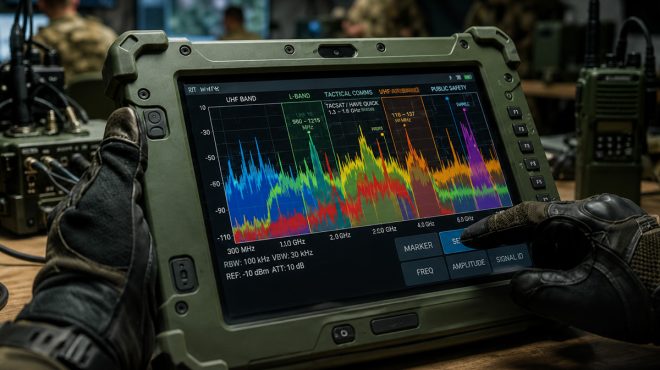
Electronic reconnaissance is one of the key tools for recording an aerial threat, especially in cases when visual observation is limited by terrain, development, or weather conditions. ER assets work in a passive mode — they do not emit a signal but record radio activity in the air. This makes it possible to detect drone control channels, video transmission, telemetry, and other signs of drone operation.
Unlike ER, electronic warfare assets perform a different function. EW works actively — it creates interference, jams control and data transmission channels, reduces the effectiveness of or completely neutralizes the aerial threat.
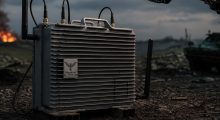
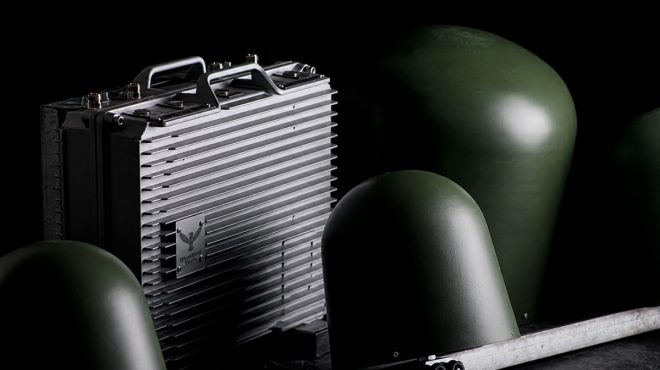
In modern systems, these two areas complement each other. First, ER records the presence of activity and determines the frequency band, after which EW can be applied to affect the target. The use of electronic reconnaissance devices, such as the “Chuika 3.0” from BlueBird Tech, makes it possible to detect signals without active radiation, which reduces the risk of exposing positions and increases the safety of units.
Coordination of the Actions of Air Defense, EW, and Ground Units
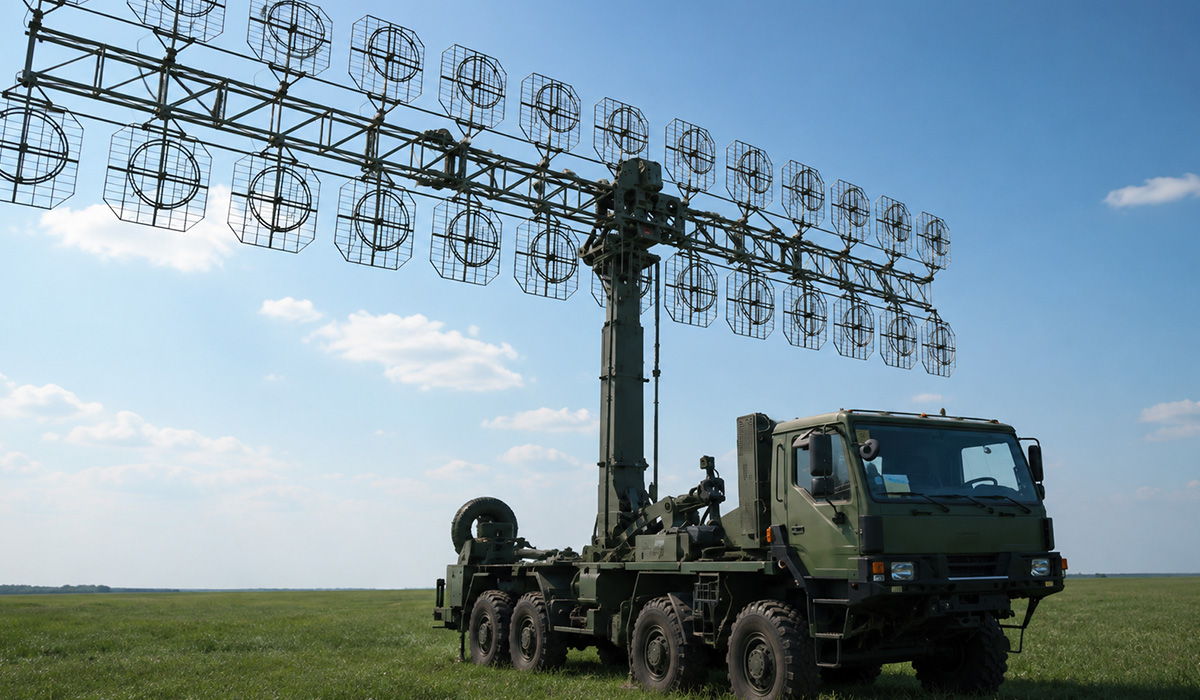
Coordination between air defense systems, EW assets, and ground units is one of the most difficult elements of responding to an aerial threat. Each of these components has its own tasks, but without coordinated actions they can create mutual limitations or even hamper one another.
Effective coordination involves an understanding of the sequence of actions, areas of responsibility, and the possible limitations of each asset. Ground units must receive not only a signal about the threat but also information about the expected actions of air defense and EW. Such an approach makes it possible to avoid chaotic decisions and reduces the risk of losses among personnel.
Typical Mistakes in Interaction and Their Consequences
One of the most common mistakes is the fragmentation of information, when data about an aerial threat remains at the level of an individual unit. This leads to delays in reaction and the loss of a holistic picture of the situation.
Another problem is the overload of communication channels or the absence of clear rules for transmitting information. The uncoordinated use of EW assets without taking into account the operation of air defense is also often encountered. The consequences of such mistakes become the loss of equipment, the exposure of positions, and an increase in risks for personnel.
How to Build an Effective Algorithm for Responding to an Aerial Threat
An effective response algorithm begins with the clear definition of the roles of each unit and understandable procedures of action. All stages — from detection to response — must be worked out in advance and understandable to each participant in the process.
It is important that the algorithm remains flexible and takes into account changes in the situation. An aerial threat constantly evolves, so the interaction system must adapt without losing the speed of reaction. The combination of technical assets, trained personnel, and stable military communication creates a practical basis for effective protection.
Conclusions
The interaction of units when recording an aerial threat is a complex but critically important process. It is precisely coordinated actions during detection, the transmission of information, and response that determine the level of safety of personnel and the preservation of equipment. Reliable military communication, effective electronic reconnaissance, and clear coordination between air defense, EW, and ground units make it possible to minimize risks and increase the resilience of the defense.