In a short time, FPV drones have turned into one of the most dangerous means of engagement on the battlefield. They combine low cost, high accuracy, and the possibility of prompt application without complex preparation. For units, this means a constant threat even in relatively stable areas.
In response to the mass use of FPV drones, electronic warfare assets have become one of the key elements of protection. However, the effectiveness of EW depends not only on the technical characteristics of the complex but also on correct tactical application and integration into the overall defense system.
Why FPV Drones Have Become a Key Threat at the Front
FPV drones have changed the nature of combat operations thanks to the combination of simplicity of design and high effectiveness. The operator controls the drone in real time using a video channel, which makes it possible to accurately aim at the target even in difficult conditions.
Such drones are difficult to detect in advance, they quickly approach the target, and are often applied en masse. Even a single FPV drone is able to inflict serious losses on equipment or personnel, which makes them especially dangerous for positional defense.
In addition, FPV drones actively adapt to counteraction. Control frequencies, antenna schemes, and the tactics of approaching the target change. As a result, classic protection assets without the use of EW turn out to be insufficient.
The Operating Principle of EW Against FPV Drones
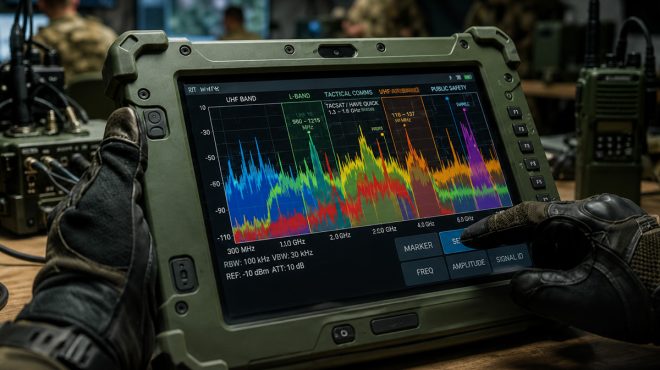
EW against FPV drones works by affecting the control channels and video signal transmission. The main task is to disrupt the communication between the operator and the drone, making control impossible or unstable.
In most cases, the suppression of radio signals is applied in the typical bands where FPV systems work. With the loss of stable communication, the drone either loses control or switches to an uncontrolled mode, which reduces the likelihood of engaging the target.
The effectiveness of EW depends on the correct configuration of bands, radiation power, and the placement of the complex. It is important to understand that EW is not a universal solution and requires constant adaptation to changes in the enemy’s tactics.
Tactics of Using Dome EW to Protect Positions
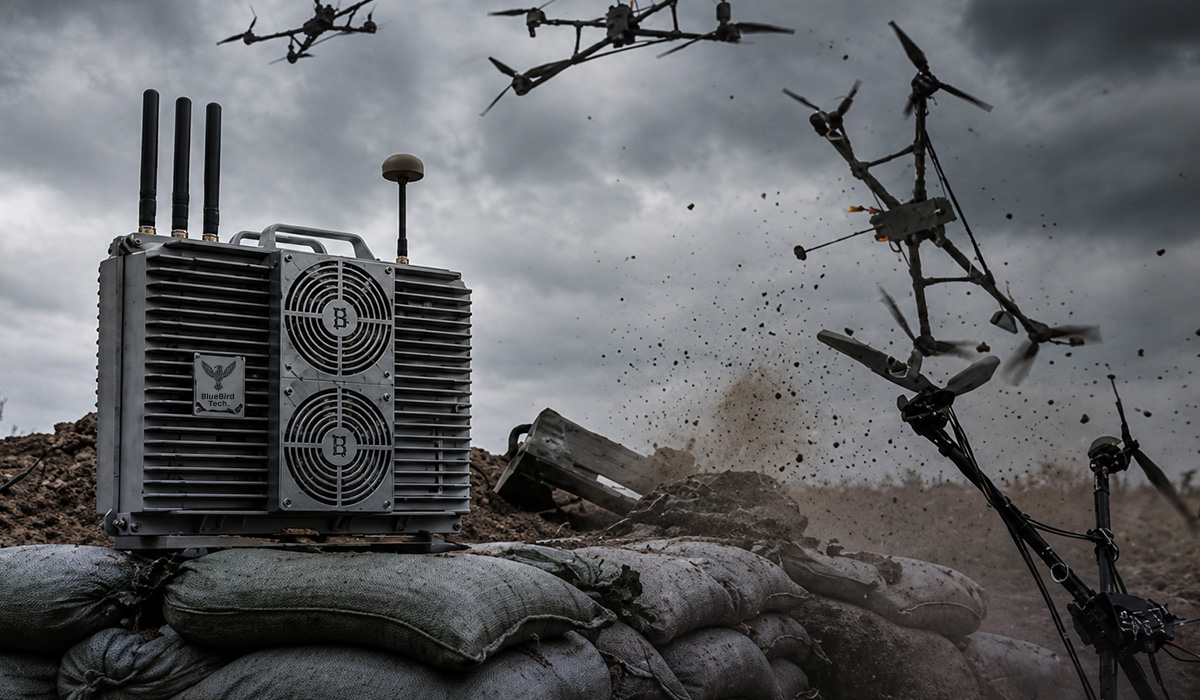
Dome EW is used to create a protective zone around positions, command posts, or places of concentration of personnel. Its main task is to override the space in which an FPV drone will not be able to stably receive control signals.
Such complexes are effective for stationary defense but require competent placement. The height of installation, the orientation of antennas, and the coverage radius must correspond to the terrain and the nature of threats.
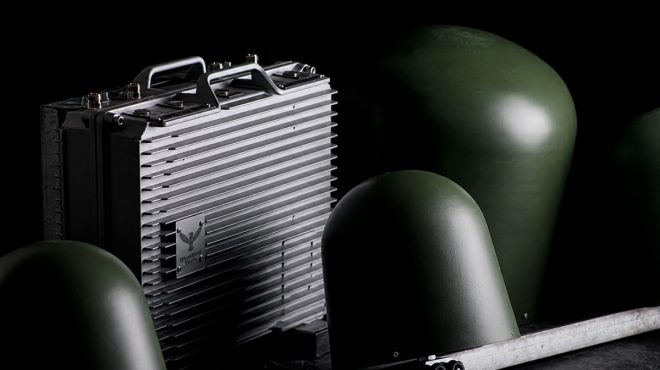
In practice, specialized systems are applied to protect trenches and positions, in particular the “Hrets” 5UL — a powerful trench EW system for the Armed Forces of Ukraine, which is intended for long-term operation in field conditions. The use of such assets makes it possible to reduce the effectiveness of FPV drone attacks but does not replace other elements of defense.
Using Mobile and Vehicle-Mounted EW Complexes
Mobile and vehicle-mounted EW complexes are applied where a rapid change of positions or the escort of units is needed. They make it possible to promptly react to the appearance of an FPV threat and close off areas that are not covered by stationary systems.
The main advantage of such a format is flexibility. The complex can change its operating location, adjust the directions of impact, and adapt to the situation. At the same time, mobile EW requires clear coordination with other units in order to avoid mutual interference.
The best result is achieved when mobile complexes are used not chaotically but as part of an overall plan for protecting an area or route.
H2: Combining EW With Drone Detectors and Reconnaissance
EW shows maximum effectiveness in combination with detection systems. Drone detectors and reconnaissance assets make it possible to record FPV activity in advance and prepare suppression assets.
Such a combination makes it possible not only to react to a threat but also to predict the direction of attacks. EW in this case works not constantly but at the necessary moment, which reduces the unmasking of positions.
For the safe operation of such systems, it is important to follow the rules for working with radio equipment. More about this can be read in the article: «How to use electronic warfare assets safely», which examines the basic principles of the interaction of EW with one’s own communication systems.
Typical Mistakes When Using EW Against FPV
One of the most common mistakes is the perception of EW as a universal protection. Without correct tactics, even a powerful complex can turn out to be ineffective.
The incorrect placement of antennas, ignoring the terrain, and the constant operation of EW without need, which unmasks positions, are often encountered. Another problem is the absence of coordination between EW operators and communication units, which leads to interference for one’s own systems.
Avoiding these mistakes requires personnel training and a clear understanding of the principles of how EW works in combat conditions.
How to Integrate EW Into the Overall Defense System of a Unit
Effective protection from FPV drones is possible only when EW is part of a comprehensive defense system. It must complement surveillance, engineering shelters, camouflage, and fire assets.
The integration of EW begins with planning: defining areas of responsibility, application scenarios, and interaction between units. It is important that EW operators understand the overall concept of the defense, and do not act in isolation.
Such an approach makes it possible not only to reduce the effectiveness of FPV drones but also to increase the survivability of the unit as a whole.
Conclusions
FPV drones have become a serious challenge for modern units, but the competent application of EW makes it possible to substantially reduce their effectiveness. A key role is played not only by the technical characteristics of the complexes but also by correct tactics, placement, and interaction with other defense assets.
EW against FPV drones must be applied as part of a comprehensive protection system, taking into account reconnaissance, detection, and the features of the terrain. It is precisely such an approach that gives the most stable result in real combat conditions.