Modern warfare is waged in conditions of constant observation, the quick transmission of data, and the precise hitting of targets. Drones, high-precision weapons, and digital management systems are changing not only the instruments of battle but the very approach to the planning and execution of tactical actions on the battlefield.
Military Tactics in Modern Warfare and the Causes of Its Transformation
Military tactics determine how subunits act directly on the battlefield: occupy positions, carry out maneuver, interact among themselves, and react to threats. It is precisely the tactical level — companies, platoons, and squads — that most affects the survival of personnel and the result of carrying out combat tasks.
In order to better understand the basic principles of tactics, its levels, and the classic approaches to application in battle, it is worth turning to the material: «Military tactics: what it is and how it is applied in modern battle», which explains the basis of tactical actions and the logic of their construction.
In modern warfare, these principles undergo substantial changes. Constant aerial reconnaissance, the quick detection of targets, and the possibility of delivering high-precision strikes significantly shorten the time between the detection of a subunit and its being hit. This forces the troops to abandon template solutions and transition to more flexible, adaptive models of waging battle.
The Impact of Drones on the Planning, Maneuver, and Camouflage of Subunits
The mass application of unmanned aerial vehicles has made the battlefield significantly more transparent. Any movement, a concentration of equipment, or a prolonged stay at one position can be detected from the air. Drones are used for reconnaissance, the correction of artillery, and the delivery of pinpoint strikes, which substantially limits the freedom of action of subunits.
In response to this, the very logic of maneuver is changing. Subunits move in large groups less often, change routes and positions more often, and use cover and camouflage more actively. The planning of combat operations now necessarily takes into account the aerial situation, and even a short delay in open terrain can substantially increase the risk of being hit.
High-Precision Strikes as a Factor of the Change of Tactics and the Concentration of Forces
High-precision weapons have changed the approach to the concentration of forces and assets. If earlier the concentration of subunits could ensure a breakthrough or the reinforcement of defense, then today it often turns into a vulnerable target.
In modern conditions, tactics are based on dispersal, flexible management, and the shortening of the time of staying at one position. Subunits are forced to act faster, constantly change their location, and take into account the possibility of being hit from a great distance at practically any moment.
The Adaptation of Military Tactics to the Combination of Drones and High-Precision Weapons
The combination of drones and high-precision weapons requires of subunits a comprehensive approach to tactics. Observation, communication, camouflage, and the quick making of decisions become no less important than firepower.
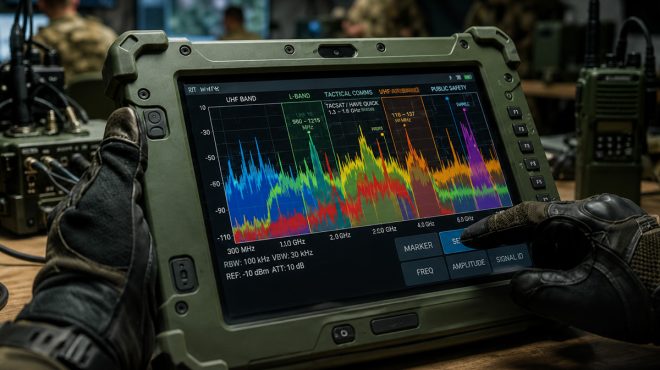
Modern tactics provide for close interaction between infantry, the operators of unmanned aerial vehicles, artillery, and electronic warfare assets. A key role in this interaction is played by technical solutions that ensure the stable management of drones and the transmission of data in difficult conditions.
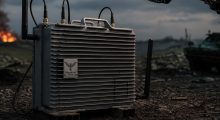
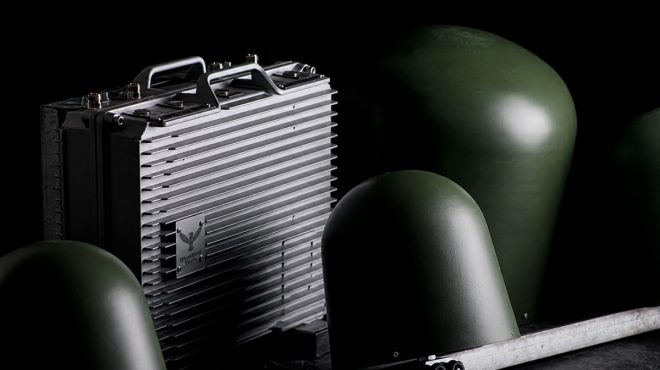
In particular, for maintaining communication, management, and the relaying of signals between the operator and the unmanned vehicle, the UAV control complex «Vishchun-K1» with a ground station and a wireless repeater is applied. Such complexes make it possible to receive a video signal and telemetry, maintain management, and quickly transmit information even in conditions of the active electronic warfare impact of the enemy.
The use of similar solutions makes it possible to promptly adjust the actions of subunits, clarify the coordinates of targets, and reduce the risks connected with the loss of communication during the execution of combat tasks. In combination with unmanned vehicles and high-precision weapons, this forms a more resilient and controllable tactical model of actions.
Why Flexible Tactics Are Becoming a Key Advantage in Modern Warfare
In modern warfare, the decisive factor is becoming not the quantity of equipment but the ability to quickly adapt to changes in the situation. Flexible tactics make it possible for subunits to change the approach to actions depending on the threats, avoid templates, and reduce predictability for the enemy.
Work in small groups, the constant adjustment of plans, and the combination of classic combat skills with modern technologies are becoming key advantages on the battlefield.
Conclusion
Military tactics in modern warfare are in constant transformation. The active use of drones and high-precision strikes changes not only the instruments of waging battle but the very logic of the actions of subunits — from the planning of maneuver to the organization of defense and camouflage.
In such conditions, adaptation, flexibility, and the ability to quickly react to new threats become decisive. Modern tactics are no longer a fixed set of rules but a continuous process of analysis, learning, and adaptation to the dynamic battlefield.