Modern warfare has shown that the result of combat operations is determined not only by the quantity of armament or the level of training of personnel. A no less important factor is engineering support — the ability to quickly prepare positions, protect people and equipment, and reduce the visibility of units to the enemy.
Engineering solutions affect how long a unit can hold a position, maintain controllability, and survive under constant fire and aerial pressure.
Military Engineering as a Key Element of Modern Combat Operations
Military engineering is the totality of measures and solutions aimed at preparing terrain for combat operations, protecting personnel, and ensuring the maneuver of troops. In modern warfare, its significance has substantially grown due to the mass application of artillery, unmanned systems, and precision weapons.
Engineering work is no longer an auxiliary stage between battles. It is conducted constantly — often under shelling, in conditions of limited time and resources. The quality of engineering solutions determines whether a unit will be able to hold a position, maintain combat capability, and avoid critical losses.
Engineering Troops: Tasks and Role in Supporting Units
Engineering troops carry out a wide spectrum of tasks both on the front line and in the rear. Their role lies in creating conditions under which combat units can act effectively and with fewer losses.
The main tasks of engineering troops include the arrangement of defensive positions, the equipping of shelters, the engineering reconnaissance of terrain, the preparation of movement routes, and the protection of objects and positions from engagement. In modern conditions, the constant threat from the air — drones, fire correction, and enemy surveillance — has been added to this.
The Construction of Combat Positions in Modern Conditions of War
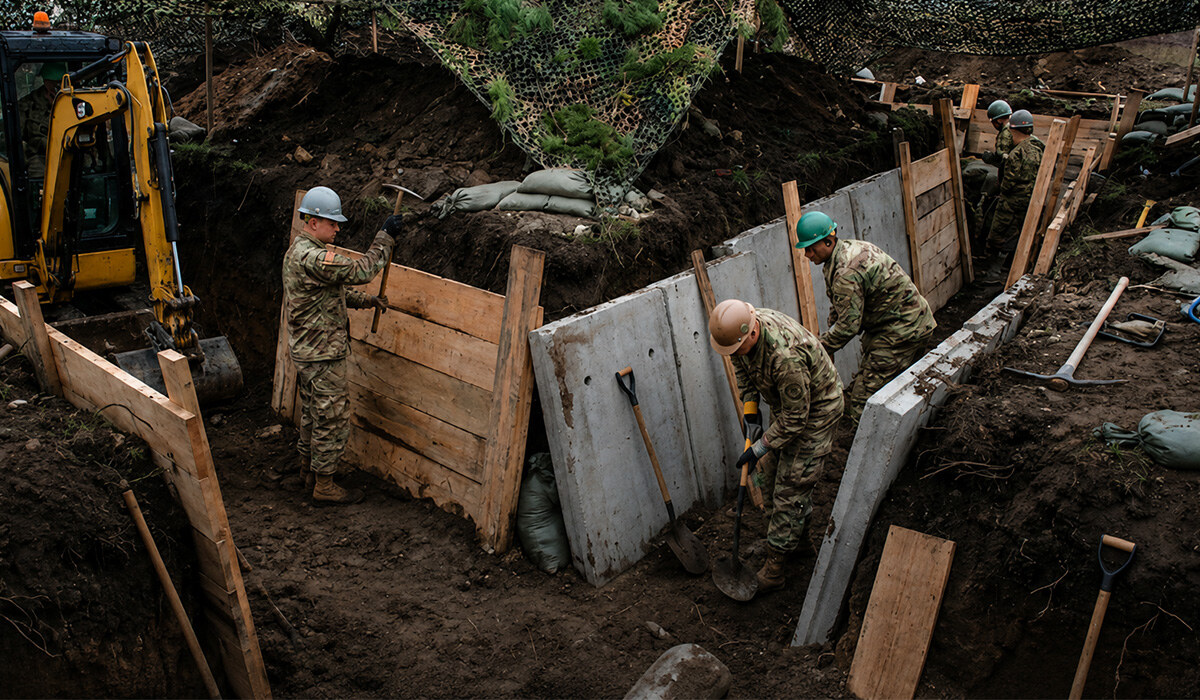
The construction of combat positions in modern warfare differs substantially from the classic approaches of past conflicts. If earlier the main emphasis was placed on protection from small arms, today positions must withstand artillery strikes, drone attacks, and constant surveillance from the air.
During the arrangement of positions, the depth of burial, the presence of overhead covers, the possibility of quick movement between shelters, and the reduction of thermal and visual visibility are taken into account. Construction is often conducted in stages — from the simplest solutions to full-fledged fortified structures depending on the situation and available time.
Fortifying Positions: Principles of Protecting Personnel and Equipment
The fortification of positions is aimed primarily at preserving the lives of personnel and protecting equipment. The main principle is dispersal and multi-level protection, when the engagement of one element does not lead to the loss of the entire position.
Modern fortifications provide protection from shrapnel, strikes from above, and repeated engagements. Special attention is paid to the possibility of the autonomous functioning of positions in the event of shelling, the disruption of logistics, or the temporary isolation of a unit.
Power Supply of Positions as an Element of Engineering Resilience
The resilience of an engineering-equipped position depends not only on shelters and camouflage but also on stable power supply. Electricity is necessary for the operation of communication assets, the lighting of shelters, the charging of equipment, and the maintenance of basic conditions of life support.
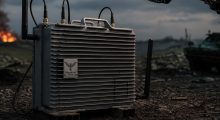
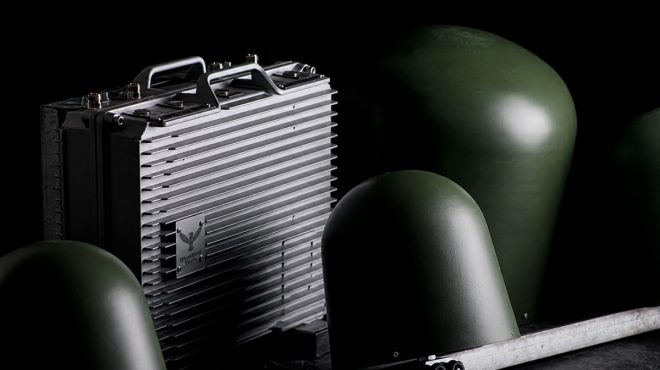
In field conditions, autonomous power sources are used for this. For example, the charging station for the military «Genera-1200» 220 V is applied as a mobile solution for providing electricity to engineering positions. Its shock resistance and ability to work in extreme weather conditions make such stations a useful element of engineering infrastructure, especially where there is no access to stationary power sources.
Such assets are not combat equipment but directly affect the controllability, communication, and overall survivability of a unit.
Engineering Equipment and the Camouflage of Positions on the Battlefield
Engineering equipment and the camouflage of positions are an integral part of modern defense. Camouflage today covers not only the visual aspect but also the thermal and overall visibility of positions.
Positions are camouflaged taking into account surveillance from drones, satellites, and ground reconnaissance assets. Engineering solutions involve the use of terrain, the correct placement of shelters, the control of movements, and the discipline of light camouflage. It is precisely the combination of these measures that makes it possible to reduce the likelihood of a position being detected by the enemy.
Engineering Solutions and Military Tactics in Modern Warfare
Engineering directly affects the tactics of conducting combat operations. How positions are built and camouflaged determines the possibilities of maneuver, defense, and response to precision strikes.
How military tactics change in response to the mass application of drones, artillery, and precision weapons is discussed in more detail in the article: «Military tactics in modern warfare: adaptation to drones and precision strikes», which logically complements the topic of the engineering preparation of positions.
How Engineering Solutions Increase the Resilience and Survival of Units
Engineering solutions directly affect the resilience of units in battle. Well-equipped, camouflaged, and autonomous positions reduce losses, make it possible to hold lines longer, and maintain combat capability even under intensive fire.
Engineering preparation creates a margin of strength — time and space for response, maneuver, and decision-making. That is precisely why military engineering is a strategically important element of modern combat operations.
Conclusions
Military engineering in modern warfare is a complex of practical solutions on which the lives of people and the effectiveness of defense depend. Engineering troops ensure the construction, fortification, power supply, and camouflage of positions, creating conditions for the resilience of units in a difficult combat environment.