The search for prisoners is one of the most difficult and sensitive topics of wartime, which thousands of Ukrainian families face. This article gathers key information about how exactly the search mechanisms work and what possibilities are really available today.
The material has been prepared by BlueBird Tech for the families of those missing in action and prisoners, servicemen, volunteers, and journalists. The article explains what the search for prisoners is, which structures are responsible for it, what the features of this process are, and how to act so as not to harm the person in captivity and increase the chances of establishing their location.
Who Is Engaged in the Search for Prisoners
The search for prisoners is not a spontaneous process and not exclusively a volunteer initiative. It is carried out through clearly defined state and international mechanisms, each of which has its own role and limitations.
The key subjects of the search include:
- The Coordination Headquarters for the Treatment of Prisoners of War, which accumulates information about captured military and civilians, interacts with international organizations, and participates in exchange processes;
- The Ministry of Internal Affairs of Ukraine, which maintains the registration of those missing in action, accepts statements from families, and ensures interagency coordination;
- The International Committee of the Red Cross, which has a mandate to record the fact of captivity and transmit information between the parties to the conflict;
- local authorities and authorized social services.
It is important to understand that the effectiveness of the search directly depends on the correct determination of a person’s status. The effectiveness of the search directly depends on the correct determination of the status of Ukrainian prisoners, which affects the application of international and national protection mechanisms.
Support for Families During the Search for Prisoners
For families, the search for prisoners is primarily an emotionally exhausting process that requires clear actions and legal caution. The state recommends adhering to the following basic algorithm:
- Submit an official statement about the disappearance in action through the bodies of the National Police or the state’s online services.
- Provide the maximum of verified information: full name, date and place of disappearance, unit, contacts of comrades-in-arms, photo.
- Avoid public statements on social networks without coordination with specialists – this can complicate further negotiations.
- Maintain contact with the state bodies that are handling the case and update the data as needed.
Informational materials and consultations are also available for families, which explain how to act in case of confirmation of captivity, deportation, or long-term disappearance in action. Separate attention is paid to the psychological support and legal accompaniment of families.
State Support for Those Released From Captivity
After release from captivity, the state provides comprehensive support, which includes:
- medical aid and rehabilitation, taking into account the physical and psychological state;
- legal accompaniment, the restoration of documents and statuses;
- social guarantees and payments provided for by legislation;
- help with adaptation to peaceful life or a return to service, at the serviceman’s wish.
The search for prisoners does not end at the moment of release; it logically transitions into the process of restoring a person’s rights, recording crimes, and protecting their interests at the national and international levels.
A Systematic Approach to the Search for Prisoners and Safety in Conditions of War
The search for prisoners is a complex and multi-level process that combines legal, humanitarian, and security mechanisms. A clear understanding of the algorithms of action, the timely recording of information, and the interaction of families with state and international structures directly affect the effectiveness of the search, making it possible to reduce the risks for people in captivity and increase the chances of establishing their location and subsequent release.
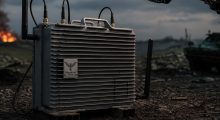
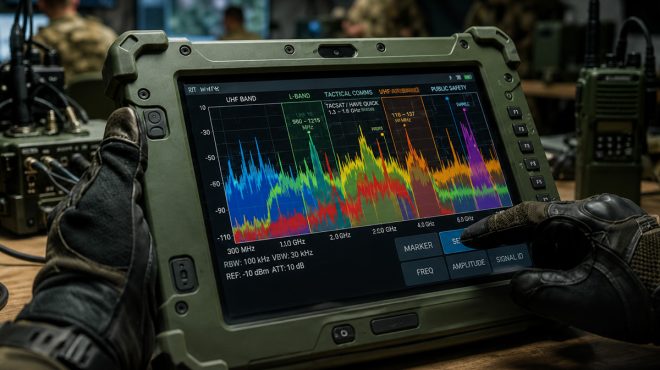
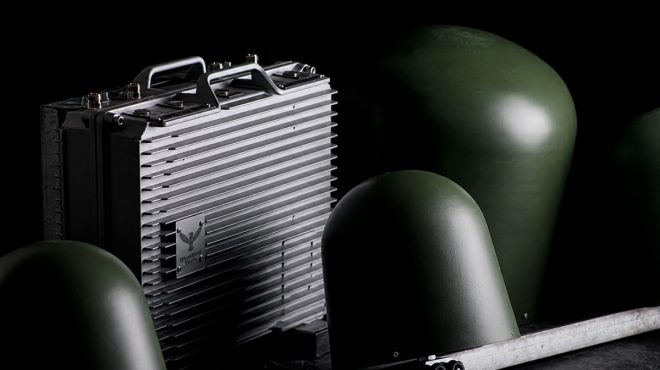
A comprehensive approach to safety in conditions of war combines not only legal awareness and responsible informing but also the development of technological solutions that strengthen the state’s defense capability. It is precisely in this area that BlueBird Tech works, which, alongside the preparation of analytical and educational materials for society, develops and supplies modern technological solutions, in particular the aerial repeater “Promin 10” for increasing the effectiveness and protection of the Armed Forces of Ukraine, making a practical contribution to preserving people’s lives and the country’s security.
Sources Cited
The material has been prepared on the basis of official state and regulatory sources, in particular:
- Information note “Ukraine continues work on the search for those missing in action and the recording of crimes committed by russia” of 31.08.2025, published on the official web portal of the Ministry of Internal Affairs of Ukraine.
- Information brochure “What can fraud look like and how to counter it?”, issued by the Coordination Headquarters for the Treatment of Prisoners of War in cooperation with the Ministry of Internal Affairs of Ukraine and the National Police of Ukraine.