The Air Force Command of the AFU is responsible for the control and protection of the state’s airspace, the management of military aviation, and the coordination of air defense. In modern warfare, where aerial threats can arise simultaneously from different directions and at different altitudes, the effectiveness of this command directly affects the safety of troops, cities, and critical infrastructure.
The Role of the Air Force in the Defense System of Ukraine
The Air Force is one of the key elements of the defense system of Ukraine. It ensures the protection of the airspace, supports the actions of ground troops, and creates conditions for the stable operation of the state in conditions of war.
Unlike classic ground units, the Air Force works in an environment where the reaction time is calculated in minutes or seconds. Missile strikes, kamikaze drones, and reconnaissance UAVs force the defense system to act preemptively. That is precisely why the Air Force performs the role of the first line of detecting aerial threats and deterring them before a strike reaches its target.
Main Tasks of the Air Force Command
The Air Force Command of the AFU carries out the planning, organization, and control of all actions in the airspace. Its tasks cover both combat operations and constant duty in peacetime.
The main functions of the command include:
- the management of combat and transport aviation;
- the organization of the work of air defense units;
- the analysis of the air situation and the forecasting of threats;
- the coordination of actions with other branches of the military.
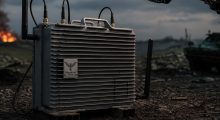
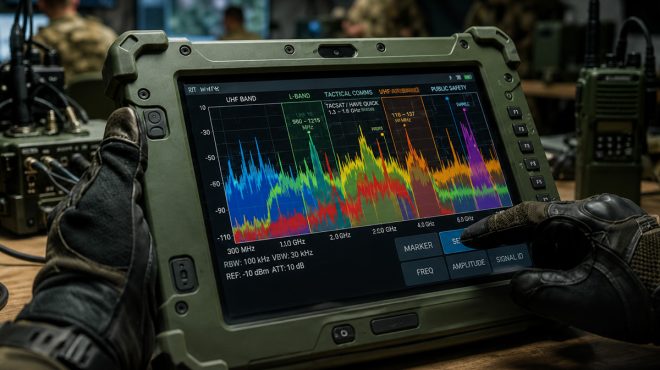
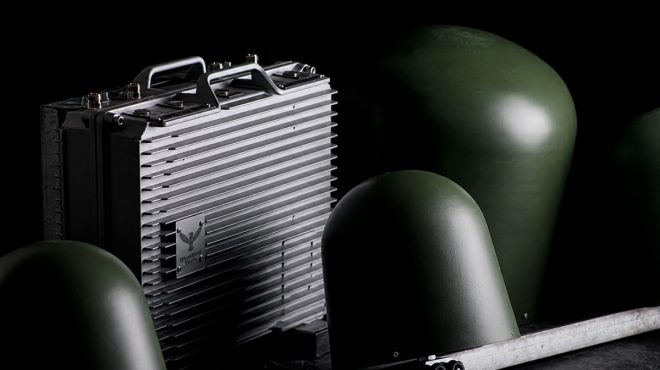
In the practical plane, this means readiness to react to combined scenarios, for example a simultaneous attack by drones and missiles. For the timely detection of such threats, electronic reconnaissance assets are applied, in particular the electronic reconnaissance device “Chuika 3.0” from BlueBird Tech, which makes it possible to record the activity of enemy UAVs and transmit information into the air defense control system.
The Management of Aviation and Air Defense
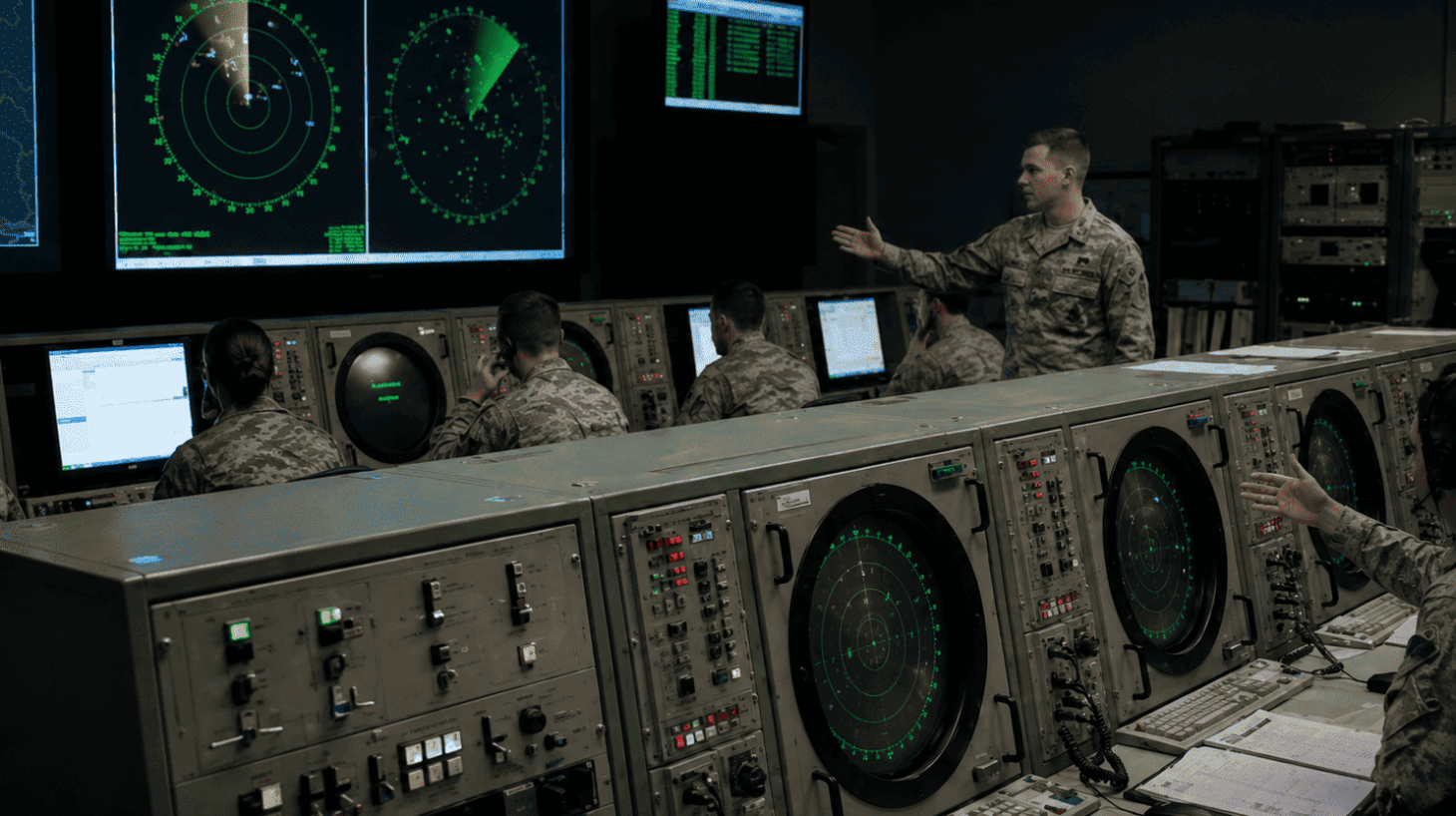
The management of aviation and air defense is built on the principle of the centralized collection of information and prompt decision-making. The Air Force Command forms a single picture of the air situation on the basis of data from radars, reconnaissance, and ER and EW assets.
On the basis of this information, priorities are determined: the launch of aviation, the application of anti-aircraft systems, or the change of combat duty modes. It is important that the management system remain resilient even in conditions of overload or the partial loss of communication, since the enemy often tries to affect precisely the control channels.
The Coordination of Actions in the Airspace
The Air Force of the AFU acts in close interaction with other components of defense. The command coordinates actions with the Ground Forces, the Naval Forces, the territorial defense forces, and civilian structures.
Such coordination makes it possible to: avoid the duplication of actions; effectively distribute air defense resources; reduce the risk of erroneous decisions in a difficult air situation.
More about the principles of such interaction is discussed in the article: «The modern operation of the air defense of Ukraine», which examines the mechanism of coordinating actions between different levels of command.
The Significance of the Air Force in Modern Warfare
In modern warfare, the Air Force performs not only a combat but also a strategic function. The effective operation of aviation and air defense reduces losses among the civilian population, protects infrastructure, and ensures stability in the rear.
Control of the airspace also creates conditions for the successful actions of ground troops, limiting the enemy’s capabilities regarding reconnaissance, fire correction, and psychological pressure.
Conclusions
The Air Force Command of the AFU is a critically important element of the defense of Ukraine, which ensures the management of aviation and air defense in conditions of modern warfare. Its effectiveness is based on the combination of a management system, reconnaissance, and technological solutions.