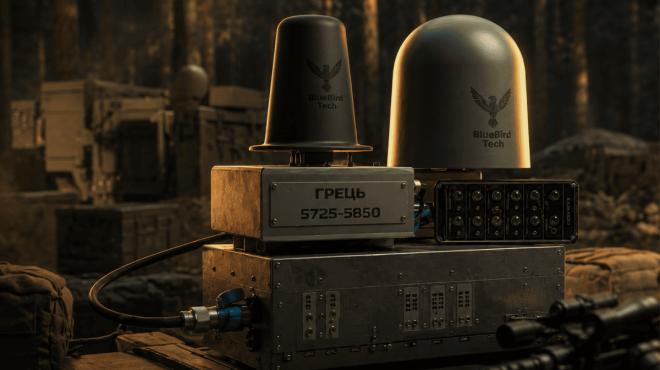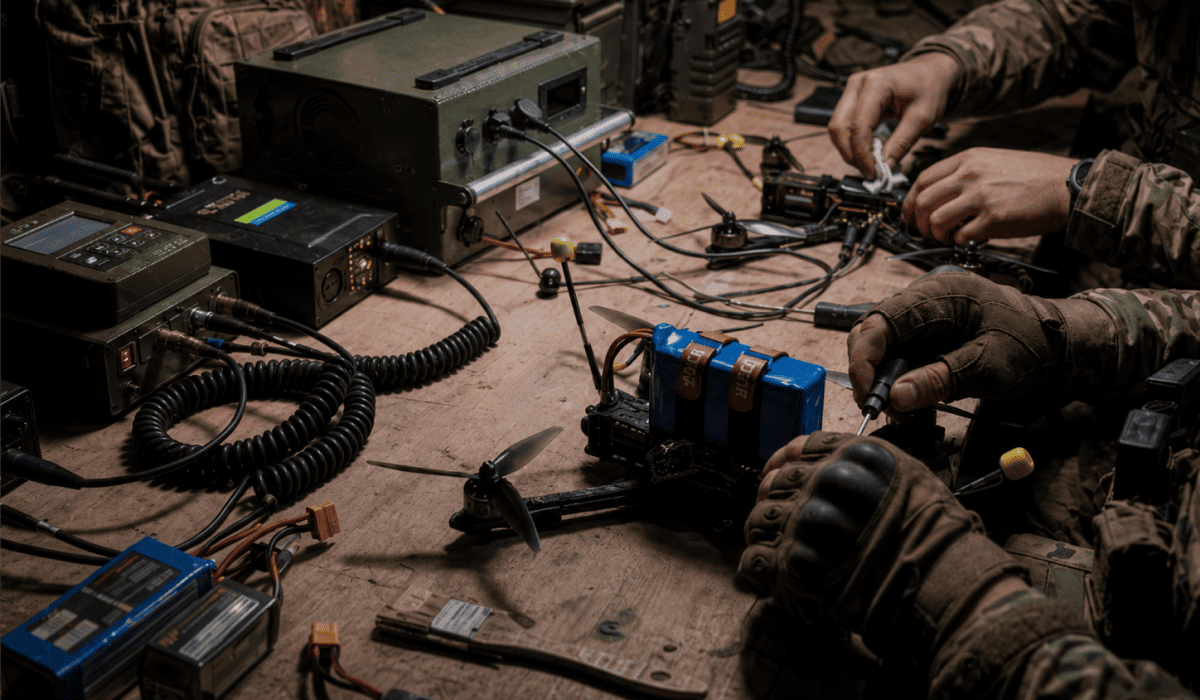
Intensive use of EW and FPV drones quickly pushes the equipment beyond its rated modes. Wear accumulates not gradually but in jumps — at moments of peak loads, overheating, or unstable power. That is why two identical sets of equipment can have different service lives under the same tasks.
Service life is determined not only by component quality but by how the system is used day to day: how long it runs under load, in what temperature conditions, and with what power quality.
What Makes It Possible to Extend the Service Life of EW and FPV Drones
Durability appears where operating modes are controlled. When load, temperature, and power are kept within predictable limits, wear becomes manageable rather than random.
A key role is played by the balance between performance and the operating regime. Constant operation ‘at maximum’ gives a short-term effect but sharply shortens service life. Moderate modes that account for peaks, by contrast, keep the system stable for longer.
The repeatability of scenarios is also important. When the system operates in predictable conditions, it is easier to detect deviations and prevent failures before they become critical.
For a systematic approach to maintenance, see the article: «Maintenance of EW systems on the front line», which covers practical procedures for keeping equipment operational in the field.
What Affects the Service Life of EW and FPV Under Load
The most destructive factor is temperature. Overheating accelerates the degradation of electronics and reduces component efficiency. Even short periods of operation at elevated temperatures accumulate damage that over time leads to failures.
The cyclical nature of operation also matters. Frequent transitions from standby to maximum load create thermal and electrical stress. For example, an abrupt activation of EW or an intensive FPV drone maneuver causes peak spikes that load the system more than prolonged steady operation.
Power quality has no less significant an effect. Voltage sags, unstable sources, or overloads lead to failures and accelerated wear. A voltage sag is a brief drop in power that can cause a restart or damage components.
Operating conditions complete this picture. Dust, moisture, and mechanical impacts do not always have an immediate effect, but over time they significantly shorten service life. It is the combination of these factors that determines how long the system will remain operational.
How to Reduce Wear and Extend the Service Life of EW and FPV
Stability begins with temperature control. Even basic measures — proper placement, ventilation, and pauses between loads — already reduce the risk of overheating. Smooth operation plays an important role.
Abrupt transitions to maximum load should be minimized. When the system gradually reaches its operating mode, the load is distributed more evenly and does not create peak stress.
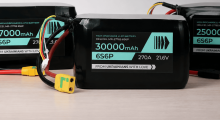
Power must be predictable. The source must withstand not only the average but also the peak load without sags. In practice this means having a power reserve and stable operation in various modes.
Regular checks of the system’s condition make it possible to detect problems at an early stage. An unstable signal, overheating, or atypical behavior are signs that must not be ignored.
To ensure stable power in the field, it is advisable to use specialized solutions, in particular the «Genera-28» power supply for EW, which keeps the system running without critical sags even under variable load.
Conclusions
The service life of EW and FPV drones is determined not only by equipment quality but by how it is used in real conditions. Overheating, peak loads, and unstable power accelerate wear far more than the intensity of the tasks itself.
Extending service life is achieved through controlling operating modes, predictable operation, and timely response to deviations. This is exactly what allows the system to remain effective without losing reliability.