The appearance and mass use of drones have fundamentally changed the conditions in which infantry operates. What just a few years ago was considered a relatively safe maneuver or a standard advance scheme today can lead to losses as early as the deployment stage.
Modern infantry fights in conditions of constant surveillance from the air, the rapid detection of positions, and point strikes. The tactics of action change not gradually but under the pressure of real combat experience, where every mistake quickly becomes obvious.
Traditional Infantry Tactics Before the Era of Mass Drones
Before the mass use of drones, infantry tactics were built around terrain cover, fire contact at direct distances, and limited surveillance on the part of the enemy. The main threat was posed by small arms, mortars, and artillery, and the risk of sudden detection was significantly lower.
Maneuver, the accumulation of forces, and preparation for an attack were often carried out with a reliance on time and camouflage from ground surveillance. Infantry could use pauses, the change of positions, and covert movement, without expecting constant monitoring from the air. It is precisely these approaches that have undergone the greatest changes today.
Reconnaissance Drones and Their Impact on Maneuver and Camouflage
Reconnaissance drones have radically shortened the possibilities of the covert maneuver of infantry. Positions, advance routes, and even short stops have become visible to the enemy in a mode close to real time.
This has forced infantry units to change their approach to camouflage, the pace of movement, and the use of cover. Now it is not enough to hide from direct observation; it is necessary to take into account the view from above, the nature of the thermal trace, and the duration of staying at one position. Reconnaissance drones have turned the battlefield into a transparent space, where any delay increases the risk of engagement.
FPV Drones as a Constant Threat to Infantry
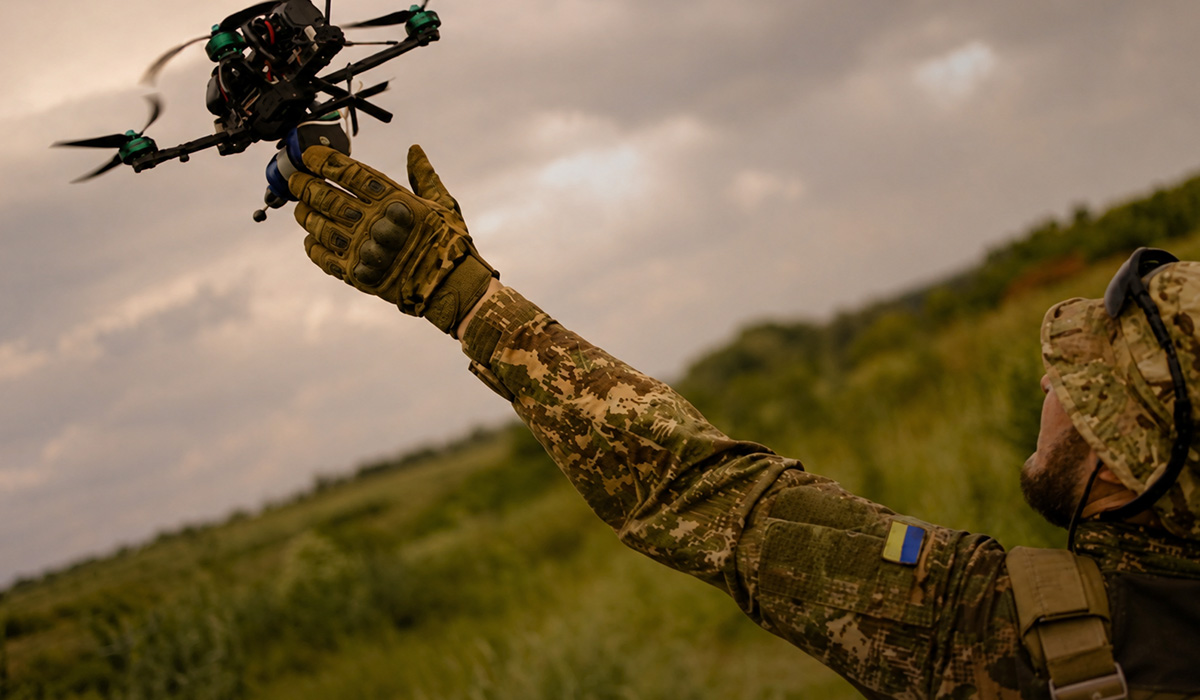
FPV drones have become one of the most serious threats to infantry. They allow the enemy to engage targets in a point-targeted manner, without prolonged fire impact and with minimal warning.
For infantry, this means constant danger even in rear zones or during rotation. Countering FPV drones has forced a change in the behavior of personnel, a reduction in the clustering of soldiers, a shortening of the time spent in open terrain, and a new way of organizing the defense of positions.
An example of strike assets of this class is the “Zhakh 10” FPV Drone, which is used as a strike tool in modern combat conditions. The mass use of such platforms changes not only the tactics of attack but also forces infantry to constantly adapt to new threats.
H2: The Interaction of Infantry With UAV Operators
Modern infantry tactics are impossible without close interaction with UAV operators. Drones have become not just a means of reconnaissance but an element of battle management that affects decision-making at the level of a squad and platoon.
Infantry uses information from drones to assess the situation, refine the enemy’s positions, and choose advance routes. At the same time, the effectiveness of such interaction depends on the speed of data transmission and an understanding of tactical tasks between soldiers and UAV operators. More about the change in the role of infantry in conditions of drone warfare is discussed in the article: «Infantry in modern warfare: what it is and how its role is changing in the war of drones», which complements this analysis.
Protecting Infantry From Aerial Attacks
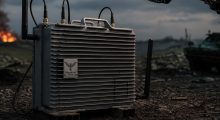
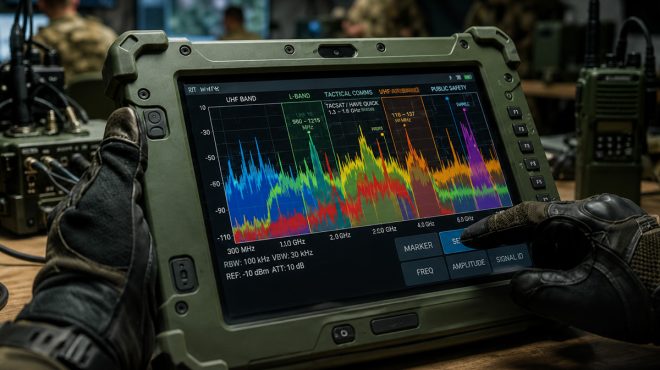
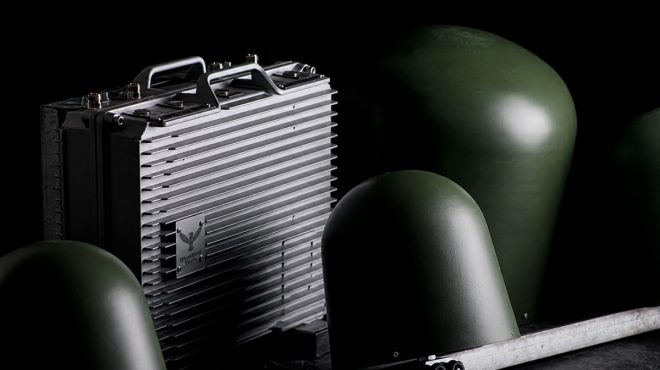
Protection from drones has become one of the key elements of infantry survival. This is not only about physical shelter but also about changing the tactics of placing positions, shortening the time spent in one place, and using technical counteraction assets.
Infantry is forced to constantly take into account the threat from the air during movement, rest, and the execution of combat tasks. Protection from drones has turned into a complex of measures that includes discipline, camouflage, and technical solutions that reduce the effectiveness of the enemy’s aerial attacks.
The Future of Infantry Tactics in Conditions of Technological War
The future of infantry tactics is being formed under the influence of technologies that are quickly changing the nature of battle. Drones, counteraction assets, and digital control systems are gradually becoming the standard, and not the exception.
Infantry retains a key role on the battlefield, but its actions increasingly depend on the ability to adapt to new conditions. Success is determined not only by the personal training of the soldier but also by how integrated the unit is into the modern technological system of waging war.
Conclusions
The mass use of drones has fundamentally changed the tactics of infantry action. Reconnaissance and FPV drones have created new risks but at the same time have opened up new possibilities for increasing the effectiveness of combat units. Adaptation to the conditions of drone warfare has become a necessary condition for the survival and success of infantry on the modern battlefield.