In combat conditions, the absence of communication quickly turns into a problem. Units do not receive orders, do not see the overall situation, and cannot coordinate actions. That is precisely why work on military frequencies directly affects the result of battle.
What Military Frequencies Are and Why They Are Important in Battle
Military frequencies are radio bands on which the communication, management, data transmission, and part of the reconnaissance systems of the Armed Forces work. It is precisely through them that orders, coordinates, reports, and control signals are transmitted.
In battle, frequencies are not a technical detail. If a unit loses the ability to work on its frequencies, it in effect loses communication with the command and adjacent forces. In such conditions, any actions become less coordinated and more risky.
Main Areas of Application of Military Frequencies in Combat Conditions
Military frequencies are used for communication between units and headquarters, the management of combat operations, the coordination of artillery and aviation, and the operation of drones and surveillance assets.
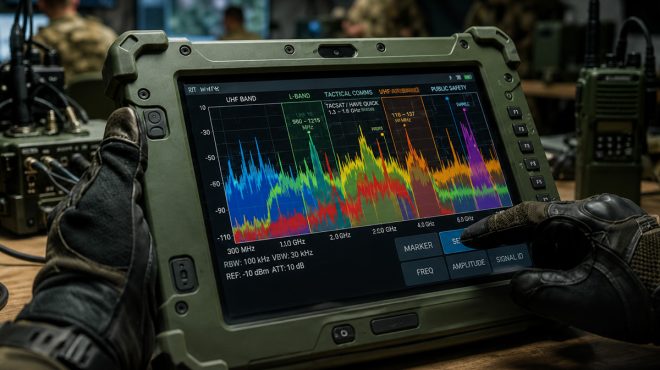
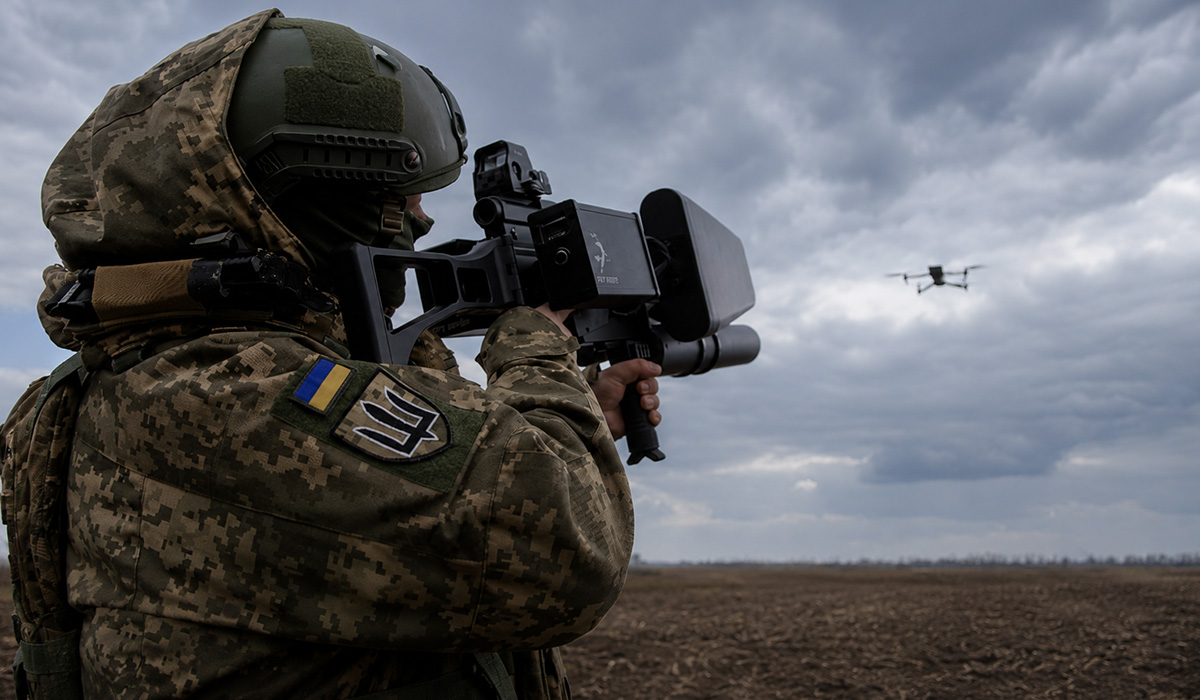
Separately, it is worth highlighting the frequencies on which UAVs and electronic reconnaissance systems work. It is precisely they that make it possible to conduct surveillance, transmit video, detect the enemy’s activity, and correct actions in real time.
Military Frequencies as the Basis of Communication and the Management of Units
Work on military frequencies is the basis of the management of units in modern battle. It is precisely through radio channels that orders are transmitted, actions are coordinated, fire is corrected, and communication between positions is maintained. If the frequency is unstable or communication is interrupted, a unit in effect loses control.
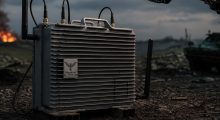
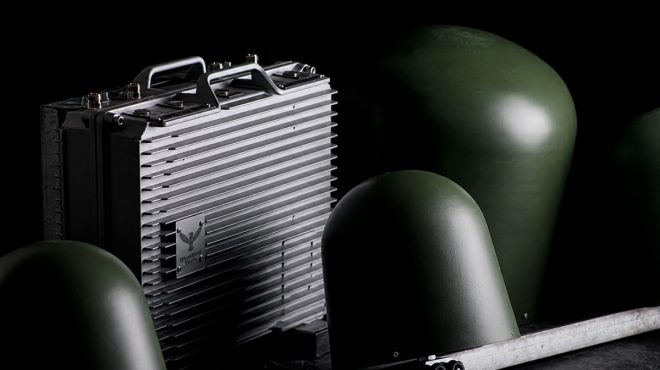
To ensure the reliable operation of communication, specialized ground control stations are used. An example of such a solution is the FPV ground control station «Vishchun-HC1», which ensures the stable transmission of a signal and control of operation on defined frequencies in field conditions. Such stations make it possible to maintain communication between operators and equipment, reduce the risk of losing control, and increase the predictability of a unit’s actions.
The control of frequencies by means of ground stations is especially important during active combat operations, when the airwaves are overloaded and the enemy tries to affect communication channels. The stable operation of a station makes it possible to react faster to changes in the situation, maintain coordination between the elements of a unit, and avoid chaos in management.
In this context, military frequencies cease to be an abstract concept. They become a working tool on which the ability of a unit to act in a coordinated way, carry out tasks, and maintain control over the situation directly depends.
How the Control of Frequencies Affects the Coordination and Success of Combat Operations
The control of military frequencies directly determines whether a unit will be able to act as a single whole. Even with the availability of equipment, trained personnel, and clear plans, the absence of stable communication or its interruption leads to the loss of controllability, delays in carrying out orders, and increased risks for personnel.
In combat conditions, work on defined frequencies ensures the transmission of commands, the correction of actions, the exchange of reconnaissance information, and synchronization between units. If the frequency environment is not controlled, the enemy can intercept signals, create interference, or completely disrupt communication at a critical moment.
That is precisely why the management of frequencies is considered an element of battle management, and not a purely technical task. It makes it possible to maintain coordination even in difficult conditions of radio-electronic confrontation, preserve the pace of an operation, and avoid chaos in management.
More about how communication and coordination between units are organized directly in the combat zone is examined in the article: «Military communication on the front line: how coordination between units works».
The Disruption of Work on Military Frequencies as a Factor of Combat Risk
The disruption of work on military frequencies leads to the loss of controllability. Jamming, the overload of the airwaves, unstable communication, or the interception of signals complicate the execution of tasks even without a direct fire impact.
In such conditions, units can act in a disjointed way, receive outdated orders, or be left without communication at all. That is precisely why the protection and control of frequencies are considered an element of combat safety, and not a secondary task.
Why the Management of Frequencies Has Become Critical in Modern Battle
Modern battle is waged not only on the ground but also in the airwaves. Frequencies have become a separate environment of confrontation, where communication, management, and reconnaissance systems compete.
The effective management of military frequencies makes it possible to maintain communication, avoid chaos, and support the coordinated actions of units. In many cases, it is precisely this that determines whether a unit will be able to carry out a task without unnecessary losses.
Conclusion
Military frequencies are the basis of modern management of combat operations. The coordination of units and the result of operations depend on the stability of communication, the control of the airwaves, and the discipline of frequency use. In modern conditions, the loss of control over frequencies quickly leads to the loss of initiative.