In combat conditions, the speed of EW deployment is often of decisive significance. Between the moment a unit reaches a position and the start of the enemy’s active operation, a minimum of time can pass, and it is precisely this interval that determines whether the electronic warfare system will manage to cover the position from reconnaissance and strike assets.
The belated installation or slow launch of EW creates a vulnerable «window» when the unit is already physically present at the site but is not yet protected in the electromagnetic space. At this moment, the position is most visible to the enemy’s UAVs, which directly affects the level of risk.
Time as a Key Factor of a Unit’s Vulnerability at a Position
Time in combat conditions is the same resource as personnel or equipment. During deployment at a new position, a unit goes through several vulnerable stages: movement, camouflage, the organization of communication, and the installation of EW. If at least one of these stages drags on, the overall level of risk increases.
EW begins to perform its function only after a full launch and check. Until this moment, the position remains open to aerial reconnaissance and targeting. That is precisely why the speed of deployment is considered not as a matter of convenience but as a factor of safety.
In a practical sense, this means that every extra minute without active EW increases the likelihood of the position being detected by the enemy.
An EW Deployment Algorithm That Minimizes the Vulnerable Period
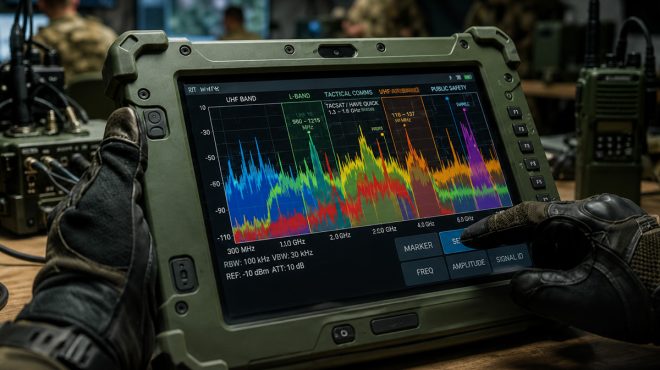
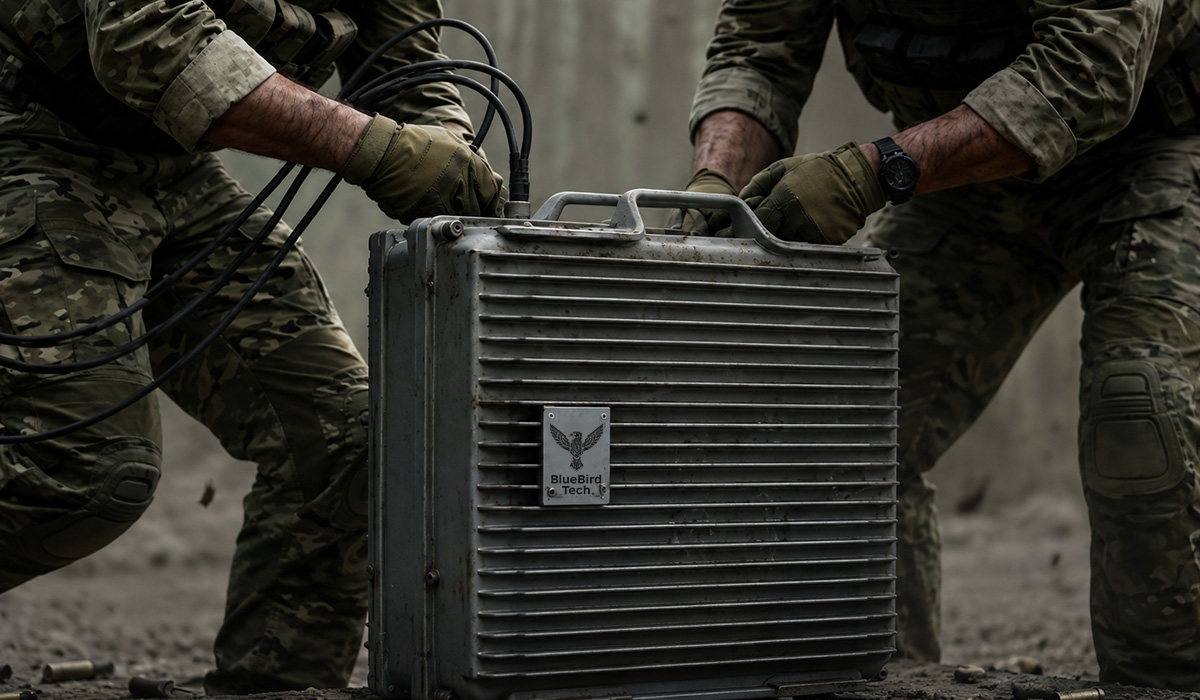
The algorithm for the rapid deployment of EW systems is based on a clear sequence of actions worked out in advance. It includes choosing the installation point, connecting the power, deploying the antennas, launching the system, and a basic check of operability.
The key factor here is standardization. When each element of the system has its own place, and each member of the crew knows their area of responsibility, the process does not turn into improvisation. This is especially important in conditions of limited time and increased stress.
An understanding of typical installation scenarios and predefined actions makes it possible to launch EW as quickly as possible without losing control over the process.
Mistakes During the Rapid Installation of EW That Reduce EW Effectiveness
Haste during the installation of EW often leads to mistakes that negate the gain in time. The most common of them are connected with the incorrect placement of antennas, incomplete connection of power, or the absence of a basic check after launch.
As a result, the system can formally work but not provide the necessary level of interference or create side problems for one’s own communication assets. It is precisely these situations that are broken down in detail in the article: «Typical mistakes during the installation of EW at positions», which shows how small miscalculations affect overall effectiveness. The logical conclusion is simple: speed must not be achieved at the expense of losing the basic quality of installation.
Preliminary Preparation of a Position as a Way to Shorten EW Deployment Time
Preparing a position in advance significantly shortens the time of EW deployment. This is about the preliminary selection of places for equipment, well-thought-out approach routes, prepared points for antennas, and organized power.
Even partial preparation makes it possible to avoid chaotic decisions on site. When a unit arrives at a position, most questions already have ready answers, which reduces the load on personnel.
Such an approach shifts the deployment of EW from a «reaction» mode to a mode of controlled action.
The Role of Personnel Training in the Rapid Launch of EW
Training personnel for rapid response is the basis of a stable deployment speed. Even a simple system requires skills that are not formed automatically during combat work.
Regular training makes it possible to bring actions to automatism, reduce the number of mistakes, and lower dependence on specific people. As a result, speed is achieved not at the expense of haste but thanks to confident and clear actions.
A trained crew is able to work quickly even in difficult conditions without losing control over the situation.
Rapid Response Standards as the Basis of the Predictable Protection of a Position
Rapid response standards form a unified approach to the deployment of EW in a unit. They define the permissible launch time, the order of actions, and the minimum checks before the start of operation.
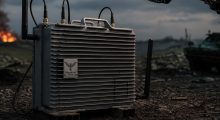
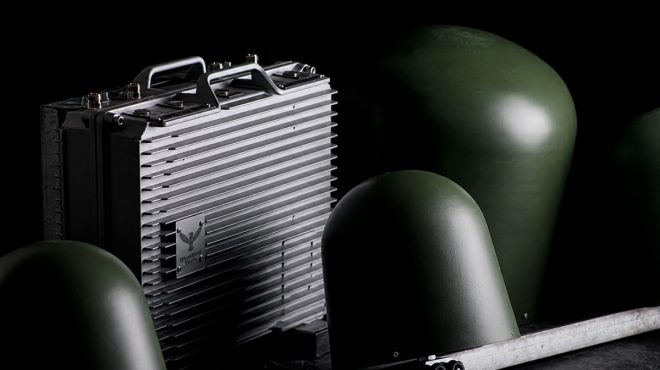
In this context, simple and mobile solutions play an important role, such as the “Hrets” 4M — a light trench EW asset. It is a compact asset intended for rapid installation in field conditions, which can be used as a separate element of position protection or as a component of a more comprehensive EW system.
The use of standardized solutions and procedures makes it possible for a unit to quickly react to changes in the situation and reduce the time spent without electromagnetic protection.
Conclusions
The speed of EW deployment directly affects the survival of a unit, since it determines how quickly a position transitions to a protected state. A clear algorithm of actions, the preparation of a position, the training of personnel, and adherence to standards make it possible to shorten the launch time without losing effectiveness.