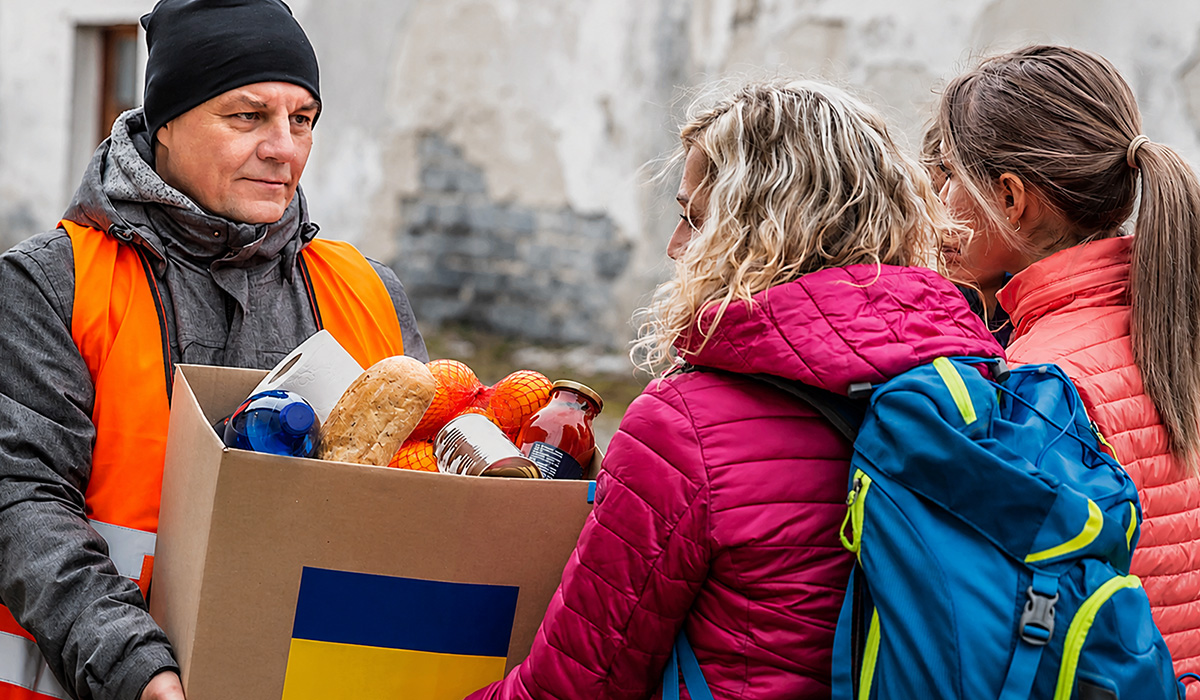
Volunteers are people who willingly and without pay devote their time, knowledge, and resources to supporting others. Their activity is based on the principles of humanity, responsibility, and social solidarity. According to the Law of Ukraine “On Volunteer Activity,” volunteering is one of the forms of charity aimed at helping individuals, communities, and state institutions.
Key Roles of Volunteers
During crisis periods, volunteers are the first to respond to needs. Volunteers perform important tasks that help rapidly address the needs of civilians and military personnel. Their work is a systemic activity that fulfills vital social functions.
1. Strengthening Social and Humanitarian Infrastructure
Volunteers compensate for the shortage of human resources in crisis situations. They help deliver humanitarian cargo more quickly, support people in states of stress, and provide for the basic needs of communities.
2. Building a Culture of Mutual Aid
In countries with a strong volunteer movement, the level of trust in society is significantly higher. Volunteer activity builds horizontal ties, teaches cooperation, responsibility, and empathy.
3. Supporting Educational and Cultural Processes
In many areas of education and culture, the role of volunteers is irreplaceable: mentoring for children, assistance in educational institutions, organizing events and development programs, and preserving cultural heritage.
4. Strengthening Civic Participation
Participation in public life is itself an expression of the volunteer movement. People who join initiatives develop an active stance, influence change in their communities, and become part of broader transformations.
Volunteering is a social mechanism without which the modern system of security, assistance, and community development cannot function effectively. More details on how to become a volunteer can be found in our dedicated article.
Volunteer Work Formats
The volunteer movement is vast and diverse. Today it encompasses dozens of areas: offline, online, short-term, long-term, professional, and general.
1. Humanitarian Volunteering
This is the most widespread and well-known area. It includes:
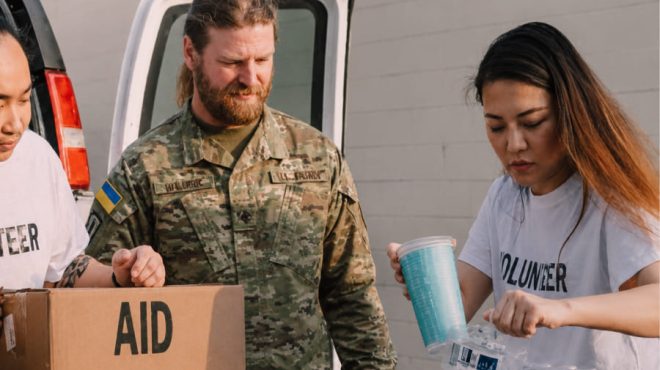
- sorting and packing humanitarian aid kits;
- logistics: delivery of food, water, clothing, and medicine;
- providing people with basic necessities during crises.
Humanitarian volunteers often work in cooperation with foundations, international organizations, or local community initiatives.
2. Social Volunteering
Aimed at supporting people who find themselves in difficult life circumstances:
- assistance to elderly people;
- working with children who need extra attention;
- accompanying people with disabilities;
- supporting families in crisis situations;
- assistance at social service centers and temporary shelters.
This is one of the most emotionally significant areas, where results are visible immediately.
3. Educational Volunteering
A format that is very relevant today:
- teaching children and adults (languages, computer literacy, subject knowledge);
- exam preparation;
- mentoring and tutoring;
- lectures, training sessions, and webinars.
This area often requires basic pedagogical skills or specialized knowledge.
4. Medical and Paramedical Volunteering
Includes:
- assistance in hospitals, hospices, and rehabilitation centers;
- organizing donor events;
- basic pre-medical first aid skills;
- assistance to internally displaced persons, military families, and people in states of stress.
- supporting staff during peak workloads.
Some activities require completing relevant training or holding a certification.
5. Online Volunteering
One of the most flexible areas, which allows helping from anywhere in the world:
- content creation;
- translations;
- design;
- managing foundations’ social media accounts;
- IT assistance;
- fundraising;
- consultations and mentoring.
The online area is accessible to anyone willing to help.