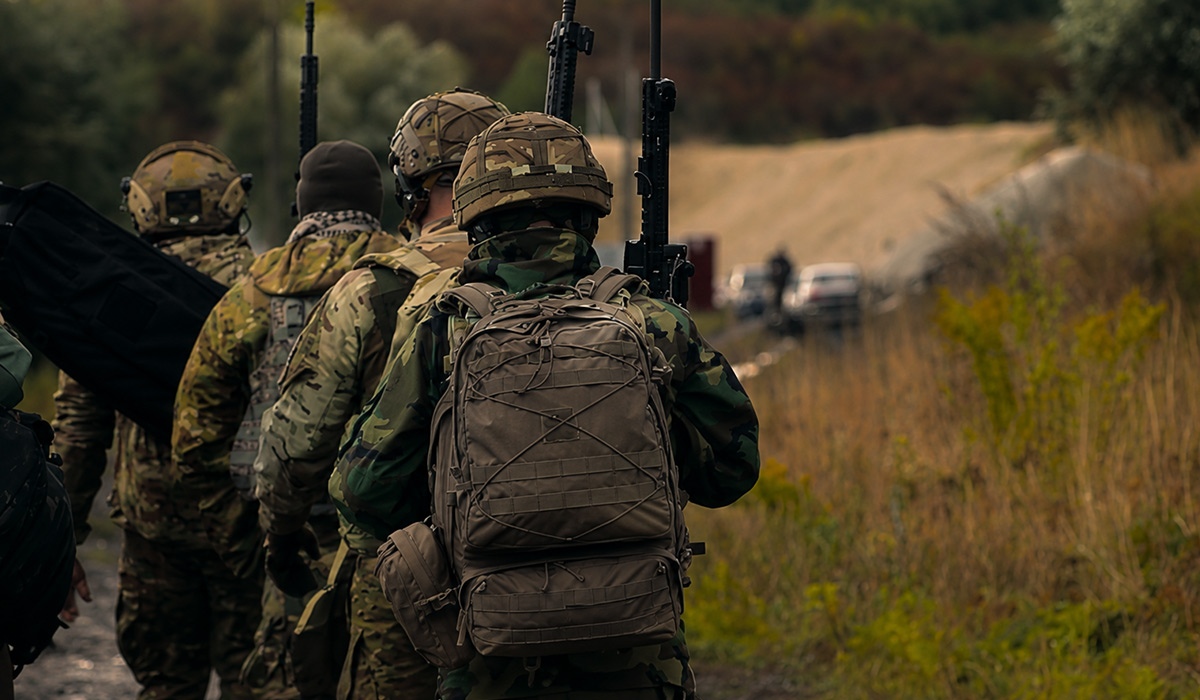
Modern warfare is often imagined as a confrontation of drones, high-precision weapons, and technologies. However, regardless of the development of equipment, it is precisely infantry that remains the basis of ground combat operations. It is precisely infantry subunits that occupy and hold positions, clear territories, and directly interact with the enemy.
Infantry in Modern Warfare and Its Basic Purpose on the Battlefield
Infantry is a branch of the troops that wages combat operations directly on the ground. Infantrymen act on foot or with the use of light transport, occupy positions, hold lines, and conduct assault and defensive actions.
In modern warfare, infantry works in conditions of a constant threat: artillery strikes, mortars, drones, high-precision weapons. However, no technical asset is capable of independently occupying and holding territory. It is precisely infantry that is physically present at positions, controls the terrain, and ensures the real presence of the state on the ground.
Infantry — the Basis of Ground Combat Operations and the Holding of Territory
No operation on dry land can be considered completed without the participation of infantry. Tanks, artillery, UAVs, and missiles can hit targets, destroy fortifications or the equipment of the enemy, but only infantry consolidates the result.
Infantry subunits carry out key tasks: the assault and defense of positions, the clearing of populated areas, the holding of trenches and observation posts, patrolling, and the control of territory. That is precisely why infantry is considered the basis of ground combat operations — without it, neither advancing forward nor the holding of occupied lines is possible.
How the Role of Infantry Is Changing in Interaction With Drones and Modern Threats
The war of drones has substantially changed the conditions in which infantry acts. If earlier the main threats were small-arms battle and artillery, then today infantry subunits are constantly under the risk of observation, the correction of fire, and strikes from the air. Unmanned vehicles are used for reconnaissance, the guiding of artillery, and pinpoint attacks, which forces infantry to act differently than in classic combat scenarios.
In these conditions, the very tactics of infantry are changing. Concentrations of personnel are reduced, more attention is paid to camouflage, the quick change of positions, and work in small groups. Infantry can no longer stay for a long time in open terrain or move without account for the aerial situation. Even during the holding of positions, the risk of detection from the air is constantly taken into account.
More about how unmanned vehicles affect the structure of the army, tactics, and the course of combat operations is discussed in the material: «How drones are changing the modern army», which supplements the understanding of the role of infantry in the war of technologies.
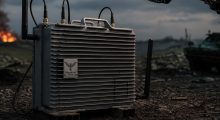
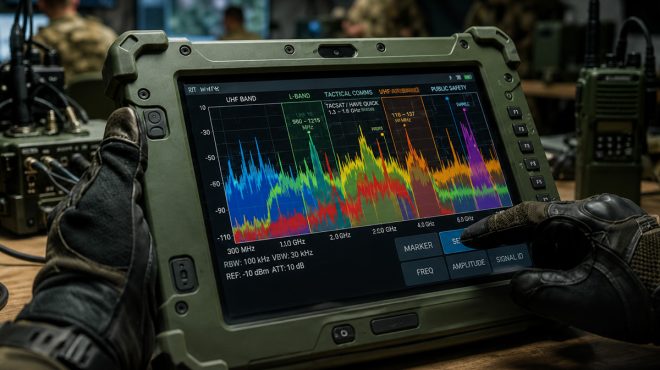
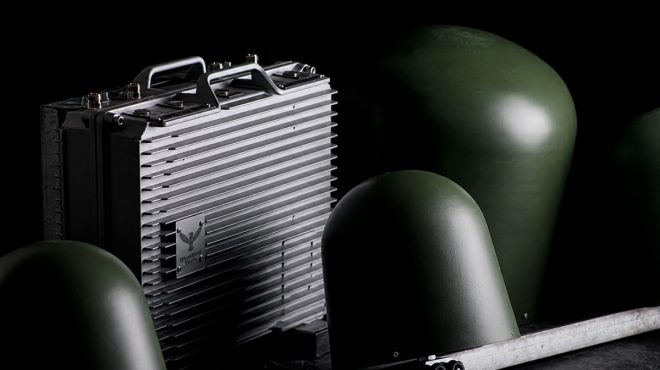
In order to reduce the vulnerability of infantry subunits to drone threats, technical countermeasure assets are applied at positions. In particular, infantry uses the trench electronic warfare asset «Hrets 4MTsO», intended for work directly on the front edge. Such solutions complicate the work of enemy unmanned vehicles, reduce the effectiveness of their navigation and management, and give infantry additional time for cover, maneuver, or a change of the order of actions.
As a result, the role of infantry in the war of drones is not decreasing but is becoming more complex and more responsible. It combines the classic tasks of holding territory with the constant adaptation to aerial threats, working in conjunction with technical assets of protection and reconnaissance.
Why Infantry Remains a Key Force Even in the War of Technologies
Despite the rapid development of technologies, infantry has not lost its significance. On the contrary, the role of the infantryman has become more comprehensive. A modern infantryman must not only be proficient with small arms but also orient themselves in the work of drones, means of communication, navigation, and camouflage.
Technologies reinforce infantry but do not replace it. It is precisely infantry subunits that work where equipment can no longer act autonomously, and they take on the main risk. Therefore, even in a war of high-precision strikes and UAVs, infantry remains a decisive force on the battlefield.
Conclusion
Infantry in modern warfare is a key link of the entire system of combat operations. It is precisely infantry that holds territory, realizes the results of fire and technological strikes, and ensures real control over the situation on the ground.
The war of drones changes tactics and conditions but does not cancel the role of infantry. On the contrary, the combination of infantry subunits and modern technologies determines the effectiveness of ground operations and the safety of personnel.