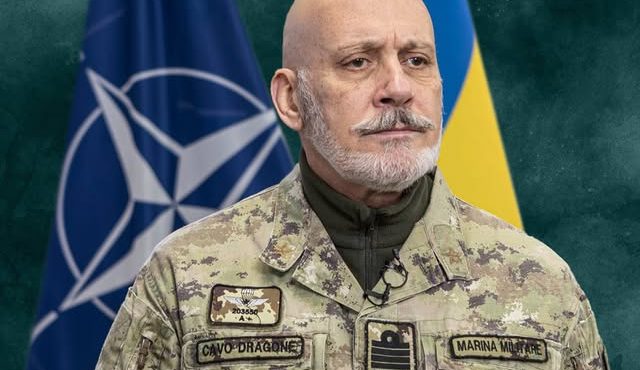
Ground robotic systems should not yet conduct assault operations — their primary task at this stage of the war is to ensure the resilience of the defense. This was stated on air at Army TV by the commander of the 1st Separate Assault Regiment, Dmytro “Perun” Filatov, commenting on the use of ground robotics at the front.
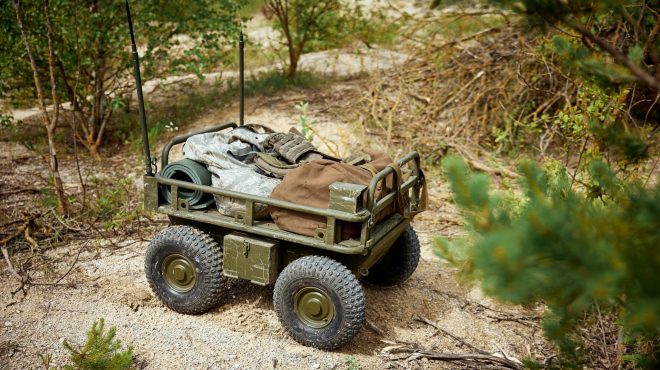
Dmytro Filatov explained that ground robotic systems (GRS) have already become an integral part of troop support: the equipment delivers ammunition to artillery, handles logistics, and takes an active part in evacuating the wounded — wherever the terrain permits. According to Filatov, certain forest belts with dense undergrowth remain impassable for GRS, so evacuations in those areas are carried out by personnel.
At the same time, the commander drew attention to the gap between the manufacturers’ vision and the actual combat experience: developers are eager to deploy combat GRS to assault positions as quickly as possible, while the regiment believes that the main value of ground robots lies not in replacing infantry during attacks, but in ensuring the resilience of the defense.
“As soon as a robot approaches a firing position and fires its first shot, it is detected and destroyed by FPV drones. But in observation and precision fire mode, the GRS shows entirely different results — it can conduct covert observation day and night from a remote command post, has no thermal signature, and fires single shots with sniper-like accuracy at distances of up to 100 meters, making it difficult for the enemy to determine its own position,” argued “Perun.”
According to Dmytro Filatov, in the near term one should expect further progress specifically from strike ground systems within the scope of defensive tasks — precision fire engagement, covert observation, and infantry support without directly replacing a soldier on the battlefield.
Meanwhile, the deputy commander of the 3rd Army Corps, Maksym Zhorin, stated in June that by autumn 2026 units are tasked with reducing the number of frontline personnel by 30% precisely through the use of GRS:
“In the future, we want GRS to also be able to take on certain tasks currently performed by infantry at the front line.”