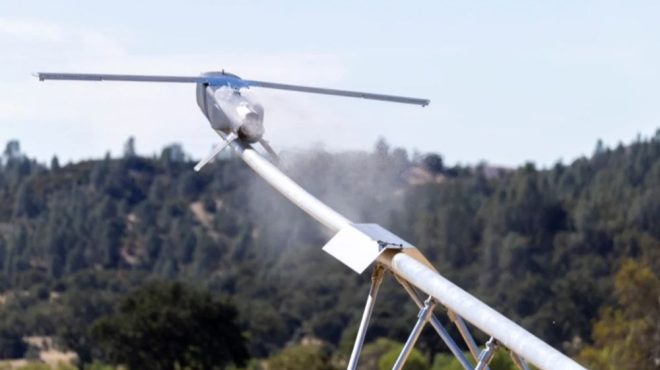
An FPV drone operator loses contact with the aircraft the moment a friendly EW station activates nearby. A unit’s radio operator cannot reach neighboring units because the airwaves are a “frequency chaos.” This is the price paid for operating dozens of radio-electronic systems within the same, ever-narrowing slice of the spectrum. DefPulse journalists investigated whether there are ways to solve this problem.
Why the Conflict Arises
Electronic warfare systems generate intense signals across designated frequency bands in order to suppress drone control channels. But those same — or adjacent — bands are often used by friendly drone operators and communications personnel. In field conditions, the situation is further complicated by the absence of centralized control: different units employ radio equipment without coordinating with one another, leading to signal overlap.
An additional factor is the physical proximity of equipment. A powerful EW transmitter can overload communications receivers even without a direct frequency match. As a result, the signal becomes unstable or disappears entirely.
The problem grows along with the complexity of the aerial situation. Expert Serhiy Beskrestnov explained that an enemy drone operator may be located 30–60 km from the aircraft, and the chaotic frequency environment makes it difficult even for experienced EW operators to identify the correct control transmitter — which hampers friendly coordination just as much as it hampers enemy suppression.
How to Avoid Interference: Three Working Methods
There are three basic approaches used by units:
- Frequency separation. Pilots and EW crews agree in advance on which frequencies the drones operate on and which are used for jamming, so the channels do not overlap.
- Time windows. EW does not operate continuously but is activated for short intervals — coordinated via radio or a unit chat — precisely when a threat appears.
- Signal filtering, proper transmitter power calibration, and physical separation of equipment.
An example of such separation is the use of narrowly specialized anti-drone modules that operate within a defined narrow band (for example, 830–930 MHz) rather than blanketing the entire spectrum. This allows a unit’s reconnaissance and strike drones to operate on different frequencies and avoid interfering with one another during the suppression of enemy targets.
Integration Instead of Separation
Ukrainian EW companies are gradually moving away from the logic of “separate the frequencies and stay out of each other’s way” toward the logic of a unified control loop. According to specialists interviewed by ArmiyaInform, manufacturers are increasingly integrating EW, electronic intelligence, and kinetic strike capabilities into a single ecosystem with a centralized situational-awareness server. It distinguishes between the signals of friendly and enemy drones on its own, which relieves some of the burden of manual coordination between operators.
In July 2026, Ukrainian JATEC specialists participated in exercises in Finland, where the focus was precisely on the comprehensive interaction of sensors, command-and-control systems, and response assets under conditions of active jamming and spoofing.
Four Typical Mistakes
- Activating EW without accounting for friendly communication frequencies, causing the system to suppress its own channels.
- Lack of coordination between units: each operates in its own mode, making signal conflicts inevitable.
- Placing powerful transmitters too close to communications receivers, creating overload even without a frequency match.
- Failure to test under real-world conditions after configuration: a system may look correct on paper but perform unreliably in the field.
The conflict between EW and communications is a consequence of operating dozens of systems within a single electromagnetic environment without a unified control loop. Ukrainian units have already developed working practices: frequency separation, time windows, and narrowly specialized jamming modules. But the direction of development is toward integrated systems where decisions are made by a centralized network. It is precisely this experience that Ukraine’s NATO partners are now testing and adopting.