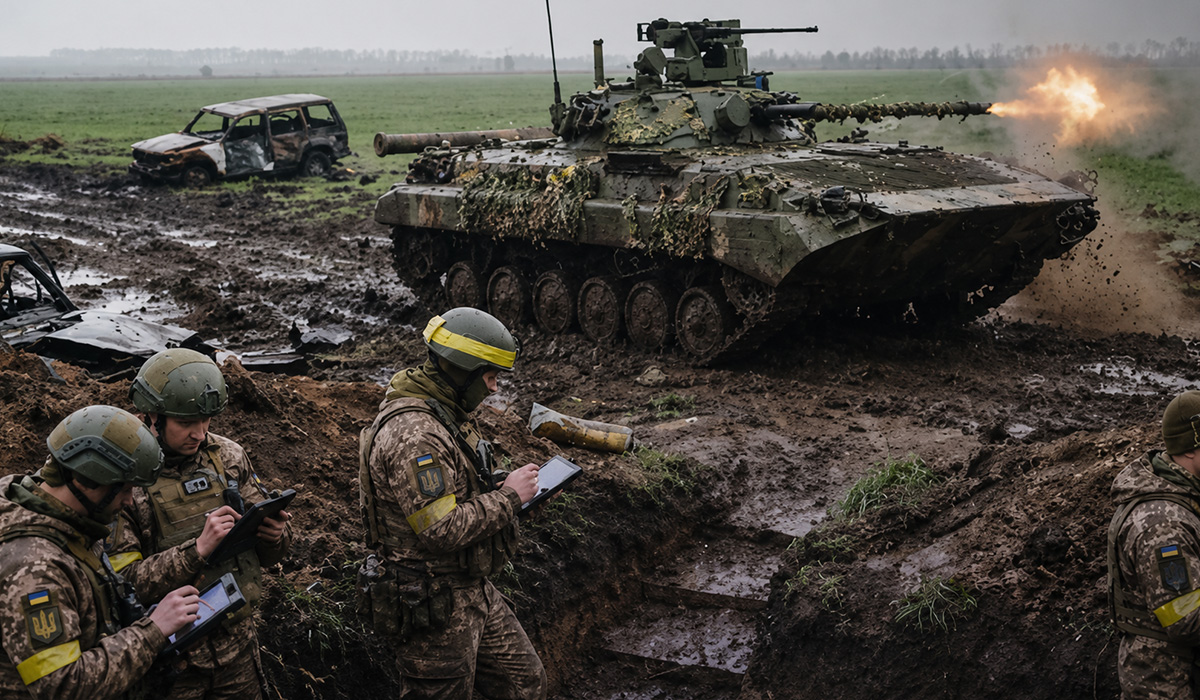
Modern warfare largely depends on the speed of introducing new technologies. Weapons and military equipment must not only meet technical requirements but also work effectively in real combat conditions. That is precisely why field testing plays an important role in the development of the weapons and military equipment of the Armed Forces of Ukraine.
Unlike laboratory tests, field testing makes it possible to check equipment in an environment as close to real combat as possible. During such tests, the stability of the systems’ operation, their interaction with other types of equipment, and effectiveness in a difficult electromagnetic environment are assessed.
Field Laboratories for Testing the Weapons and Equipment of the Armed Forces of Ukraine
In modern conditions, a significant part of the testing of military equipment is conducted directly near the combat zone. For this, special field laboratories or test ranges are created, where engineers can assess the operation of new systems.
Such laboratories can include mobile data analysis centers, equipment for measuring signal parameters, telemetry recording systems, and other tools for the technical evaluation of equipment. In some cases, testing takes place on specially prepared sections where typical combat situations are modeled.
The main goal of such tests is to check how equipment works in real conditions, where it is affected by weather factors, difficult terrain, radio interference, and other external factors.
Testing Drones and Unmanned Systems in Combat Conditions
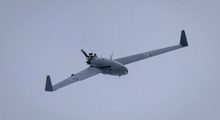
Unmanned systems have become one of the key elements of modern warfare, so a significant part of field testing is connected precisely with testing drones.
During such checks, the stability of flight, the range of communication with the operator, the quality of video signal transmission, and the effectiveness of navigation systems are assessed. Engineers also analyze the behavior of a drone in a difficult electromagnetic environment, where electronic warfare assets may be operating.
Separate attention is paid to the operation of drones in various weather conditions, since wind, precipitation, or temperature can affect the operation of electronics and batteries.
Checking the Effectiveness of EW Assets During Field Testing
Electronic warfare systems are one of the most important elements of modern combat operations. During field testing, engineers check how effectively such systems can detect, suppress, or intercept enemy signals.
For this, special test scenarios are created in which the operation of various types of radio systems and drones is modeled. After an EW system is launched, its impact on control channels, video signal transmission, and other electronic systems is recorded.
Methods for assessing the effectiveness of such systems can include analyzing the signal spectrum, measuring the suppression range, and checking the stability of the equipment’s operation. More about the approaches to assessing the effectiveness of such systems can be read in the article: «How to check the effectiveness of EW assets: main methods», which examines the main ways of testing electronic systems.
Collecting Technical Data During the Testing of Military Equipment
Field testing is not limited only to checking the operability of equipment. One of the key stages is the collection of technical data, which helps engineers assess the effectiveness of systems.
During testing, signal parameters, navigation data, the operation of electronic components, the stability of communication channels, and other technical characteristics can be recorded. For this, telemetry systems, signal recorders, and specialized software are used.
The collected information is analyzed by engineers after the testing is completed. Based on this data, changes can be made to the design of equipment, software, or the operating algorithms of systems.
Interaction Between Engineers and AFU Units During the Testing of Weapons and Equipment
One of the key features of modern field testing is close cooperation between engineers and military units. It is precisely the military, who directly use the equipment at the front, that can give the most accurate feedback on its effectiveness.
During testing, operators and military specialists assess the convenience of using equipment, the speed of deploying systems, and their stability in combat conditions. Engineers, in turn, analyze technical parameters and determine possible areas of modernization.
Such an approach makes it possible to adapt military equipment to the real needs of units faster and increase its effectiveness on the battlefield.
How the Results of Field Testing Change Military Technologies
The results of field testing directly affect the development of modern military technologies. The data obtained during testing makes it possible for engineers to identify the weak spots of equipment, assess the stability of the systems’ operation, and find ways to further improve them.
In many cases, it is precisely field testing that becomes a source of new technical solutions. It helps optimize the operating algorithms of electronics, improve communication systems, unmanned platforms, and electronic warfare assets.
An example of systems that undergo such checks in real conditions is the compact vehicle-mounted EW system «Hrets 4M». It is a mobile electronic warfare complex intended for suppressing the control channels and video signal transmission of unmanned aerial vehicles, in particular FPV drones.
Such systems can be used as standalone mobile protection assets or be integrated into the structure of a unit’s EW assets. During field testing, the range and stability of signal suppression, the effectiveness of operation in a difficult electromagnetic environment, and the compatibility of the complex with other elements of the electronic warfare system are checked.
Conclusions
Field testing is an important stage in the development of weapons and military equipment. It is precisely in real conditions that the effectiveness of new systems can be assessed and their readiness for use in combat operations determined.
During such testing, unmanned systems, electronic warfare assets, and other elements of modern military technologies are tested. The collection of technical data and feedback from military units make it possible for engineers to quickly improve equipment and adapt it to the conditions of modern warfare.