Command in the combat units of the Armed Forces of Ukraine is a critically important element of waging war. It is precisely on the quality of management that the speed of reaction to a change in the situation, the coordination of actions between units, the safety of personnel, and the result of combat operations depend. In modern warfare, a mistake in management can have more serious consequences than a shortage of equipment or resources.
The Hierarchy and Structure of Command in the Combat Units of the AFU
Command in the combat units of the AFU is built according to a clear hierarchy, which makes it possible to maintain controllability even in difficult and dynamic conditions. At the tactical level, the main links are the platoon, company, battalion, and brigade. Each level has its own zone of responsibility and makes decisions in accordance with the scale of the combat task.
The platoon commander directly leads the personnel on the battlefield, reacts to a change in the situation, and makes decisions in real time. The company commander coordinates the actions of several platoons, distributes resources, and ensures the execution of tasks on a defined sector. The battalion level is responsible for planning, the coordination of subunits, and reserves, and the brigade command — for coordinating the actions of battalions within the framework of the overall plan of the operation.
The Main Principles of the Work of Command in Battle
Effective command in combat conditions is based on a combination of clear planning, the delegation of authority, and constant coordination between units. The general tasks and priorities are formed at the higher level of management, however, their realization on the battlefield often requires independent decisions of commanders of the lower link with account for the real situation.
The key principle is tactical autonomy. Commanders of platoons and companies must have the ability to act within the framework of the set task without waiting for additional instructions, since the combat situation can change in a matter of minutes. Such autonomy is impossible without a stable exchange of information and reliable communication between the levels of command.
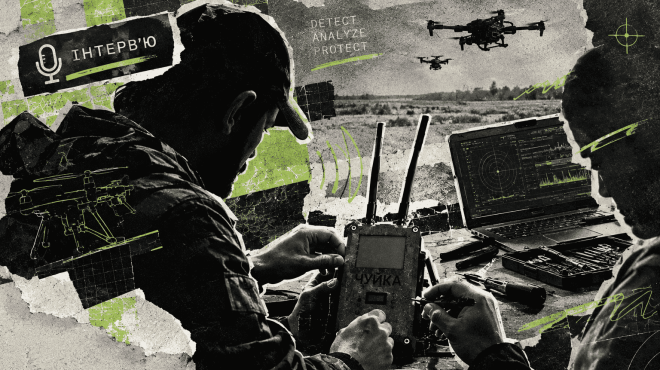
It is precisely communication that ensures the conveying of orders, the coordination of the actions of units, and the timely adjustment of decisions in the course of battle. In real combat conditions, the effectiveness of command depends not only on the competence of the commander but also on the quality of the technical assets that support management.
To ensure stable radio communication at the tactical level, specialized antennas and elements of communication are applied. One of such solutions is the Patch antenna at 5.8 GHz, which is used for maintaining a directional and stable signal at working frequencies. Such assets make it possible for units to maintain controllability, ensure the exchange of information, and maintain the coordination of actions even in difficult combat conditions.
The Making of Decisions During Combat Operations
The process of making decisions in battle takes place in conditions of limited time, incomplete information, and high risks. Commanders receive data from various sources, assess the situation, forecast the actions of the enemy, and choose variants of actions that directly affect the execution of the task and the safety of personnel.
It is important to understand that a commander in combat conditions bears responsibility not only for the execution of the order but also for the consequences of their own decisions in a changeable situation. That is precisely why management in battle always combines formal discipline with the necessity of flexible thinking.
After a decision is made, the command ensures its conveying to the units and control over execution. In the course of battle, the situation can change, therefore decisions are constantly clarified and adjusted.
The Preparation of Commanders for the Management of Combat Units
The preparation of commanders in the AFU is based on a combination of theoretical knowledge, practical classes, and training in conditions close to combat. The instruction programs include tactics, the management of units, work with communication, and the rehearsal of various scenarios of combat operations.
Separate attention is paid to psychological readiness. A commander must maintain the ability to make decisions under pressure, take responsibility, and maintain the controllability of a unit even in critical situations.
Why Effective Command Determines the Success of Combat Operations
The quality of command has a direct impact on the result of combat operations. Clear management reduces losses, increases the pace of actions, and ensures the coordinated work of units. Even a well-trained and equipped unit without effective command loses its advantage.
In modern warfare, where the situation changes quickly, it is precisely command that ensures the adaptation of units to new challenges and makes it possible to achieve the set goals.
Conclusion
Command in the combat units of the AFU is a key element of the successful waging of combat operations. On the professionalism of commanders, the clarity of management, and the ability to make decisions in difficult conditions depend the combat capability of units and the result of operations.
FAQ
What levels of command exist in the combat units of the AFU?
At the tactical level, these are the platoon, company, battalion, and brigade. Each level is responsible for the management of units of its scale and the making of decisions in accordance with the situation.
How do commanders make decisions in combat conditions?
Decisions are made on the basis of an assessment of the situation, available information, and the set task, often in conditions of a shortage of time and high risks.
Why is coordination between units important?
Coordination makes it possible to avoid mistakes, ensures coordinated actions, and increases the effectiveness of carrying out combat tasks.
How are commanders prepared for the management of units during war?
The preparation includes instruction programs, practical training, simulations of combat scenarios, and psychological preparation for work in stressful conditions.