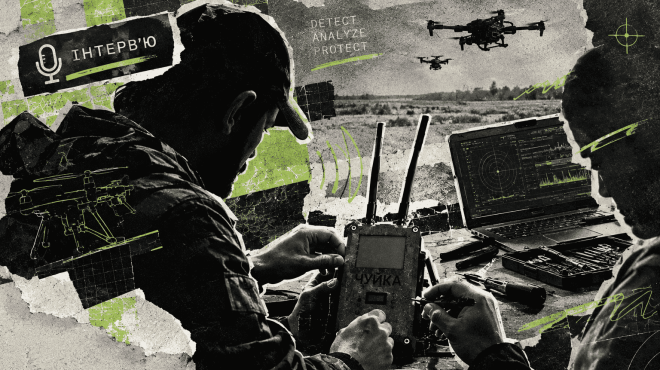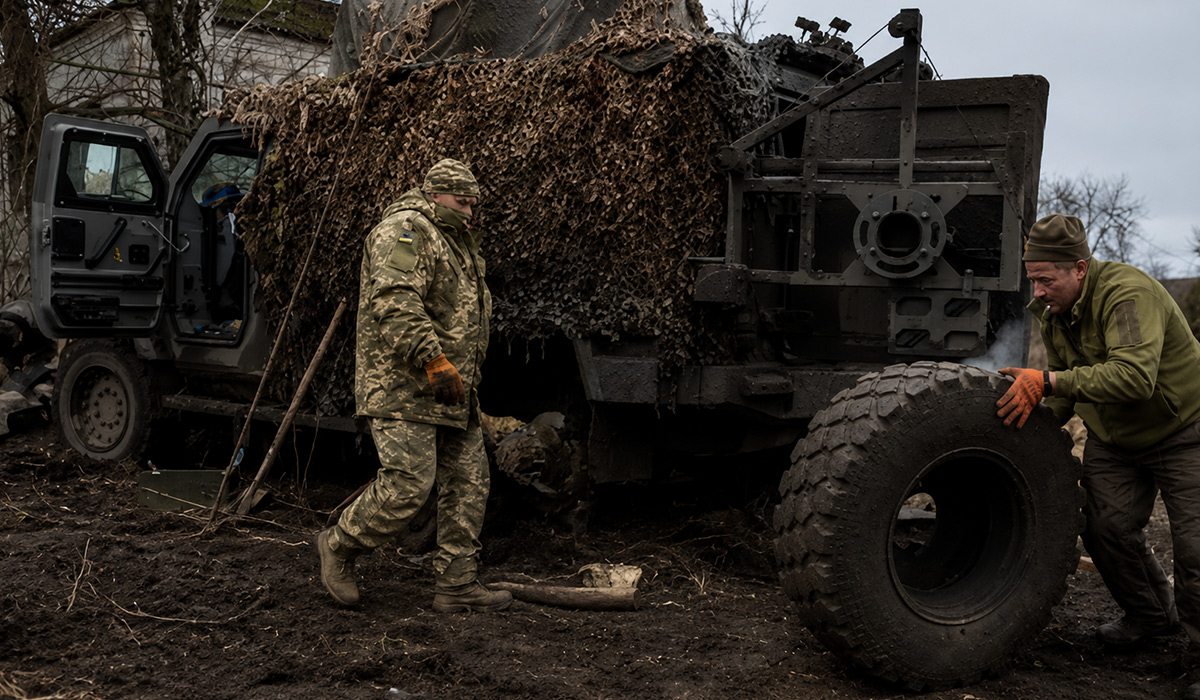
Military logistics during active combat operations is a system of providing units with everything necessary during a period when the combat situation changes daily and decisions are made in a limited time. It covers the planning, movement, control, and delivery of resources directly to units.
BlueBird Tech prepared this material for those who want to understand how military logistics is arranged precisely in the active phase of combat operations: how the supply system works, which stages cargo passes through, and what affects its safe delivery.
What Military Logistics Is During Active Combat Operations
Military logistics is the totality of processes that provide units with material resources: from ammunition and fuel to equipment, gear, and means of communication. During active combat operations, logistics works in conditions of a constant threat and limited time resources.
Its task consists not only in the delivery of cargo but in the ensuring of the continuity of supply taking into account the real combat situation. That is precisely why logistics in the active phase has different priorities than in rear or more stable conditions.
How the Supply System of Units Works in the Zone of Combat Operations
In the zone of combat operations, supply is built not as a linear route «depot — unit» but as a flexible system of several links. Cargo can change transport, route, and method of delivery several times before reaching a unit directly. This is connected with constant changes in the situation, the risks of shelling, and the limited accessibility of roads.
Decisions regarding delivery are made taking into account the priorities of tasks, the safety of personnel, and the capabilities of the equipment. Therefore, resources are often transferred in small batches, with the use of alternative routes or intermediate points. In such conditions, it is important not only to quickly deliver cargo but also to minimize losses and risks for people.
A separate role in modern logistics is played by technical solutions that make it possible to work where the involvement of personnel is dangerous. In particular, for the delivery of cargo or the execution of auxiliary tasks in difficult sectors, ground robotic complexes are applied, such as Bandura from BlueBird Tech. Such platforms make it possible to maintain supply in conditions of high risk and reduce the load on people.
The Main Stages of Military Logistics During Active Combat Operations
The process of logistics during active combat operations consists of sequential stages. First, a request is formed from a unit taking into account current needs and the operational situation.
Next, the preparation of cargo and the planning of the route take place. During transportation, logistical decisions can be adjusted depending on changes in the situation. The final stage is the transfer of resources directly to the unit and the recording of the execution of the supply.
The organization of these processes is regulated by the normative documents of the Ministry of Defense of Ukraine, which determine the order of interaction between all links of the logistical system.
What Affects the Speed and Safety of Military Logistics During Combat Operations
The speed of supply depends on the up-to-dateness of information about the situation, the state of routes, and the level of coordination between units. During the period of active combat operations, even short delays can affect the execution of tasks.
The safety of logistics is ensured by flexible planning, backup routes, and the constant analysis of risks. It is precisely the combination of these factors that makes it possible for the supply system to remain effective even in difficult conditions.
Conclusion
Military logistics during active combat operations is a key element of the stable work of units. An understanding of how supply is organized, which factors affect delivery, and where risks arise makes it possible to realistically assess the capabilities of provision in combat conditions.