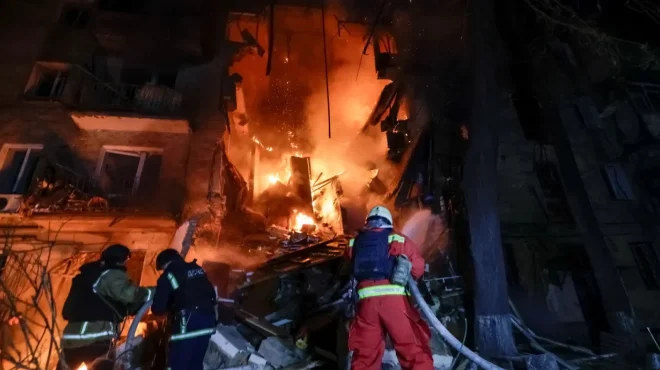
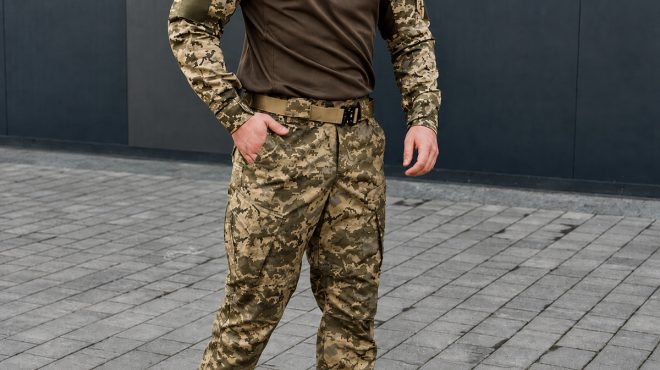
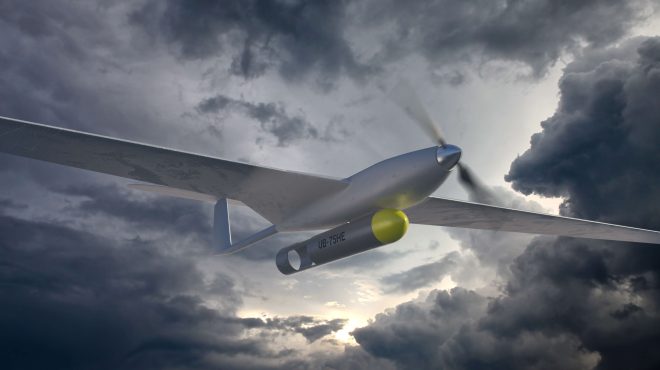
The commander of a US mechanized company acknowledged that Ukrainian Nemesis operators created an extremely challenging environment for his unit.
US Army Captain Allan V. Watson, commander of Blackhawk Company, 2nd Battalion, 7th Cavalry Regiment, wrote in his September column about the results of the ten-day Combined Resolve 2026 exercise at the Hohenfels training area in Germany. His unit faced off against Ukrainian operators from the 412th Regiment of the Nemesis Unmanned Systems Forces, who acted as the opposing force.
The exercises drew attention following a Wall Street Journal report in August. The outlet reported that Ukrainian drone operators quickly detected American armored vehicles and notionally struck them with reconnaissance and attack UAVs. According to the WSJ, US units had to be repeatedly “reset” after simulated destruction.
However, Watson considers this interpretation incomplete. According to him, the main challenge for the American company was constant aerial surveillance. US troops were forced to rapidly change their tactics.
Instead of concentrated vehicle positioning, the unit began dispersing its vehicles as widely as possible, using natural cover and concealing Bradleys under trees. For movement, the Americans chose ravines, valleys, and complex terrain.
Despite their adaptation, the American side suffered notional losses of tanks and infantry fighting vehicles. At the same time, the commander emphasizes that the exercise results do not indicate that armored vehicles have become obsolete.
On the contrary, in his assessment, the Bradley and Abrams remain vital due to their combination of protection, mobility, and firepower. The challenge lies in the need to change the way they are employed on the battlefield.
The most valuable part of the exercise for the Americans began in the second half of the scenario. After several days of opposition, the Nemesis operators joined the Americans to conduct offensive operations. Watson described this as effectively a masterclass in building a sensor-to-shooter kill chain — a cycle in which target detection, coordinate relay, decision-making, and engagement occur as rapidly as possible.
Ukrainian experience, he said, showed US troops how to shorten this cycle through the combination of cheap UAVs, tactics, and technology. At the same time, the commander drew a key conclusion: technology does not replace people. Once American troops learned to maneuver more effectively and began hunting Ukrainian operators themselves, the situation changed — “the sky cleared.”