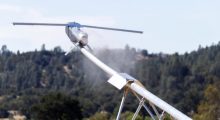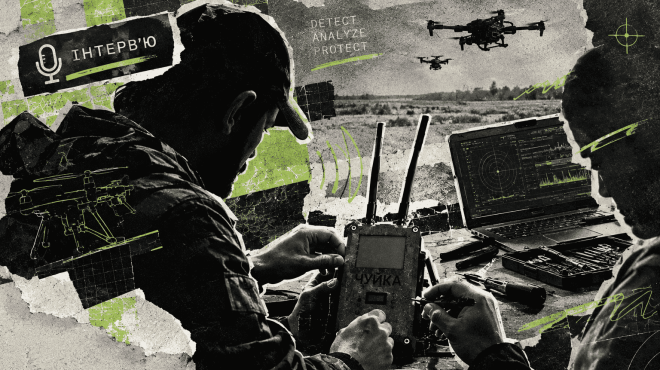
Unmanned aerial vehicles have become an important part of modern military technologies. They are used for reconnaissance, surveillance, fire correction, and carrying out other tasks on the battlefield. Together with the development of technology, a separate class of compact drones has appeared — microdrones.
Microdrones differ from large drones in their small size, light weight, and high maneuverability. Thanks to this, they can be used in situations where larger drones are ineffective or too noticeable.
What Microdrones and Micro-UAVs Are
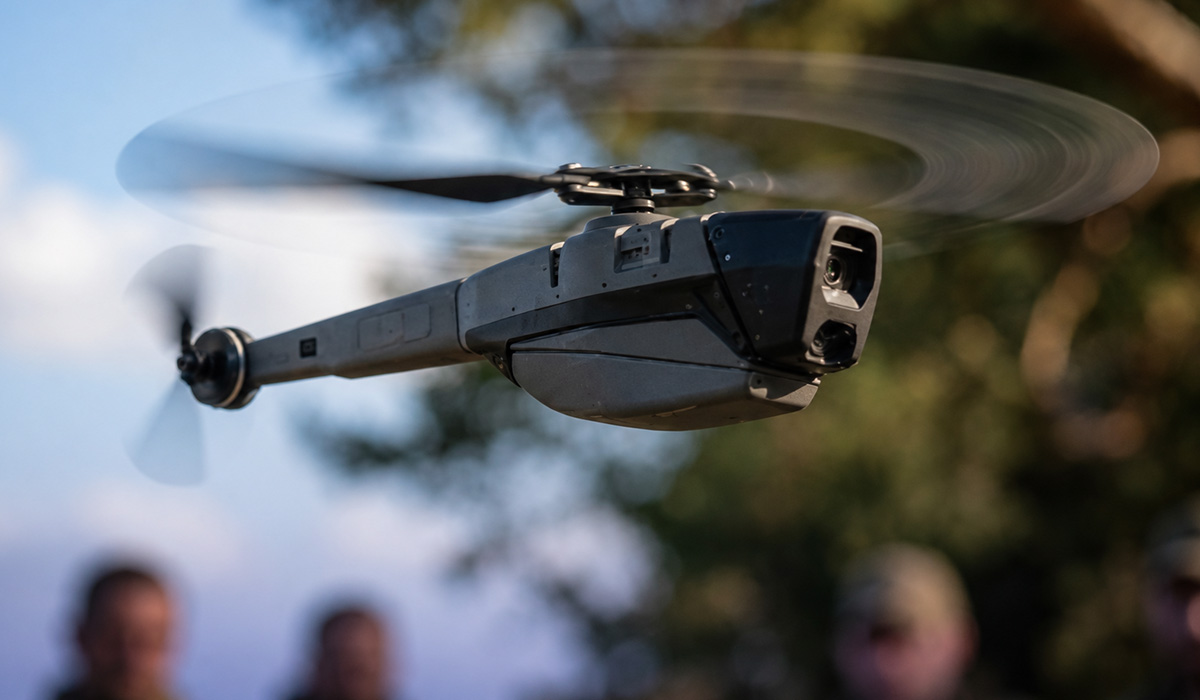
Microdrones, or micro-UAVs, are compact unmanned aerial vehicles that have small dimensions and are intended for carrying out specialized tasks. Usually such craft have a light weight, a compact design, and can be launched without complex infrastructure.
The main idea of using microdrones lies in quickly obtaining information about the situation. Thanks to their small size, such craft are more difficult to detect visually or by means of radars. This makes them effective for reconnaissance at close distances.
Micro-UAVs can be used to observe enemy positions, monitor terrain, or check dangerous areas. They are often applied where the use of larger drones is difficult or risky.
Classification of Microdrones in Modern Warfare
In modern conditions, microdrones can differ in design, purpose, and method of use. Some craft are created for short-term reconnaissance missions, others are used for observing objects or transmitting video in real time.
Most often, microdrones are divided by the type of platform, for example quadcopters, light FPV drones, or compact reconnaissance drones. They can also differ in flight range, operating time, and the type of installed equipment.
For a better understanding of the different types of drones, you can refer to the article: «Types of drones: main kinds and areas of application», which explains how modern UAVs are classified and what tasks they perform in military conditions.
Microdrones in Reconnaissance and Surveillance
One of the main areas of using microdrones is reconnaissance and surveillance. A small drone can quickly rise into the air and transmit information about the situation in the terrain to the operator.
Such craft make it possible to check enemy positions, monitor the movement of equipment, or observe important objects. Thanks to their compact size, microdrones can be used at short distances and launched directly from unit positions.
Video from the camera is transmitted to the operator in real time, which makes it possible to quickly assess the situation and make decisions. In many cases, microdrones become one of the most accessible tools of tactical reconnaissance.
Cameras and Sensors of Micro-UAVs
The effectiveness of microdrones largely depends on the equipment installed on board. Most often, such craft are equipped with high-resolution cameras that make it possible to transmit video to the operator.
In addition to standard cameras, some models can use thermal imaging sensors, flight stabilization sensors, or other navigation systems. Such technologies help the drone work in difficult conditions and provide more accurate observation of objects.
The combination of cameras, sensors, and control systems allows microdrones to perform various tasks, in particular observing terrain, detecting enemy activity, or transmitting video for analysis.
Using Microdrones in Urban Conditions
Urban conditions create particular challenges for the use of drones. A large number of buildings, narrow streets, and complex architecture can complicate the operation of large drones.
In such situations, microdrones become especially useful. Thanks to their compact size, they can maneuver between buildings, fly through narrow passages, and carry out observation in difficult conditions.
In some cases, specialized FPV drones are used, which are controlled by the operator in real time. An example of such a platform can be the «Zhakh 13” FPV Drone, which belongs to the class of compact drones and is used as an element of a system for the tactical application of UAVs.
Such drones are not a separate reconnaissance or surveillance system. They usually work as part of a larger infrastructure that includes operators, control systems, and other surveillance assets.
Limitations of Microdrones in Combat Conditions
Despite significant capabilities, microdrones have certain limitations. Their small size means a limited flight duration and a short operating range compared to larger drones.
The operation of such craft can also be affected by weather conditions, strong wind, or electronic interference. In combat conditions, the enemy can use electronic warfare assets that are able to disrupt control channels or navigation systems.
That is precisely why microdrones are usually used together with other unmanned systems. The combination of different types of UAVs makes it possible to increase the effectiveness of reconnaissance and compensate for the limitations of individual craft.
Conclusions
Microdrones and micro-UAVs have become an important part of modern unmanned technologies. Thanks to their compact size and maneuverability, they make it possible to carry out tasks of reconnaissance, surveillance, and terrain monitoring in difficult conditions.
Such drones are often used at the tactical level and complement larger surveillance systems. The combination of different types of UAVs makes it possible to create more effective systems for monitoring the situation on the battlefield.